It happens slowly. Leaves seem to suddenly turn yellow. Brown patches pop up all over your favorite shrub. Strange spots or something chewing on the leaves might begin to ring alarm bells in your head.
Or it could be as simple as gazing out at your yard and getting that sinking feeling that something about your trees and shrubs just doesn’t look right.
What we’re talking about here is plant health, and the tricky part is that a lot of different plant health issues end up having the same symptoms – making it difficult to diagnose what’s really going on.
Sure, those yellow leaves could be related to nutrition – but they could also be an insect problem or a soil issue. That brown patch on your prized shrub could mean the plant is dying – or it could mean there’s been an uptick in environmental stress that’s more easily solvable.
All in all, plant health can be tricky. That's why plant health care starts with understanding what's actually happening to your plants, instead of taking the reactive treat-the-symptom route.
At Trimline, we've been helping Rochester-area homeowners care for their lawns and landscapes for more than 25 years. We know that trees and shrubs are what give your property the character you love, along with the shade, privacy, curb appeal, and structure that make your yard yours.
We don’t take the care of those plants lightly – which is why we focus so heavily on plant health care. In this guide, we’re going to walk you through everything we think you need to know for a crash course in plant health care.
Jump To:
What Exactly is Plant Health Care?
Why Plant Health Care Is a Little Bit Different in Rochester, NY
The Telltale Signs of an Unhealthy Tree, Shrub, or Plant
Troubleshooting the Problems Your Plant May Be Facing
Healthy Plants Start Below the Surface
Seasonal Plant Health Care Calendar for Rochester Homeowners
What Can Homeowners Handle Themselves?
When Is It Time to Call a Plant Health Professional?
What Does Trimline's Professional Plant Health Care Include?
Trimline Plant Health Care FAQs
Protect the Landscape That Makes Your Property Feel Like Home
What Exactly Is Plant Health Care?
Plant health care, if you're asking us, is all about a proactive plan for handling the health and wellness of your trees and shrubs. Our plan includes services like regular inspection, proper nutrition, pest management, disease management, and timely treatment when problems arise.
In our minds, the most important word here is proactive.
Instead of just managing issues as they pop up, plant health care looks beyond what a plant looks and functions like today to help us understand what may be happening underneath the surface – and what may happen as a result.
A shrub that looks thin could be dealing with insects. A plant that suddenly starts declining could be responding to drought.
But either of those plants could be dealing with a host of other issues instead, like root stress, disease, bad drainage, or a ton of other factors.
When you take a symptom-treatment approach without knowing what the underlying issue is, you’re not really treating the overall health of the plant. Worst-case scenario, you could make the problem even worse.
Plant Health Care: Proactive Care vs. Reactive Treatment
We can't emphasize this enough: proactive is the real name of the game when it comes to plant health.
When we talk about reactive treatment, we’re referring to treatments that begin as soon as the damage becomes obvious and without further investigation. With a long-term, proactive plant health care plan, we start by watching for the signs before a problem develops.
Infrequent inspections make it impossible to notice subtle changes before a plant is severely damaged – and by the time issues are spotted, it could be too late to help.
Regular plant health care can take care of issues before they become major problems. It could mean identifying insects before they cause widespread defoliation, recognizing disease symptoms early, or even noticing that a plant is struggling because of environmental changes.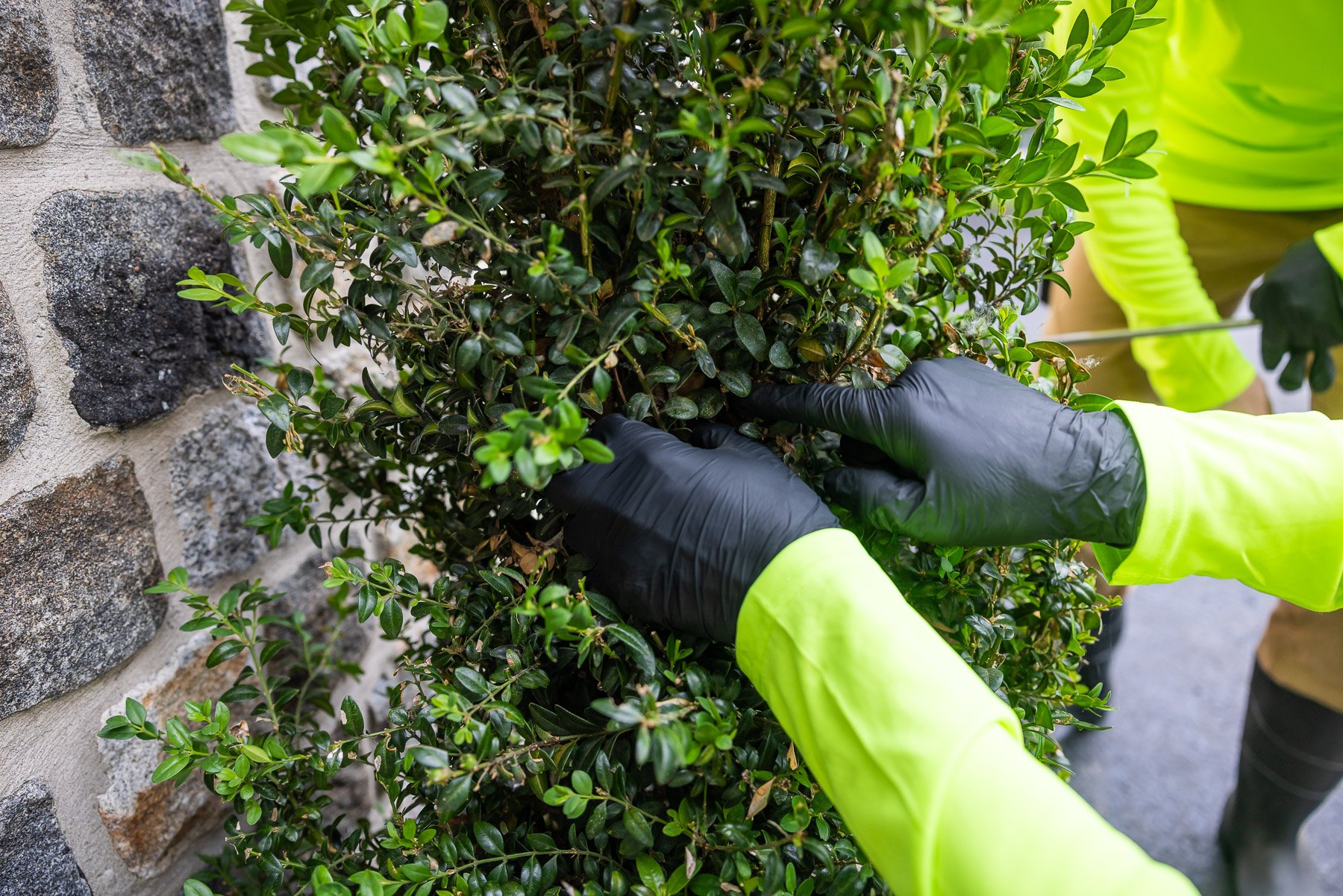
That doesn't mean every tree or shrub needs proactive treatment. But this kind of care does give you to have a better chance of understanding your plants' holistic needs and addressing any tiny problem before a much bigger one forms.
What Does Plant Health Care Protect Your Plants From?
The short answer is damage and destruction. The longer answer is that plant health care can tackle a range of issues that could cause bigger problems down the road. Every property and plant is different, but we see most in Western NY are issues like:
- Insect damage
- Plant diseases
- Nutrient deficiencies
- Root and soil problems
- Environmental stress
- Seasonal weather damage
Of course, just because two properties have similar plants in the same part of town doesn’t automatically mean they’ll have the same plant health care plan. The right approach always depends on the plant, the site, the symptoms, and the timing of treatments.
Why Plant Health Care Is a Little Bit Different in Rochester, NY
Homeowners with yards, plants, shrubs, and trees all over the country could benefit from a plant health care plan, and Rochester homeowners are no different.
In this region of Western NY, landscapes have to handle a lot over the course of a year – and it fluctuates pretty wildly.
We move quickly from cold, windy winters into wet springs with unpredictable temperature swings, hot and humid summers possibly plagued by drought conditions, and then stretches of continued heat in the fall before leaves fall and cooling takes hold as we head back into winter to start the cycle all over again.
Each season creates its own version of opportunities for plant stress, pests, and disease. To us, that’s enough evidence that plant health care plans need to be customized to your property, plants, and particular needs.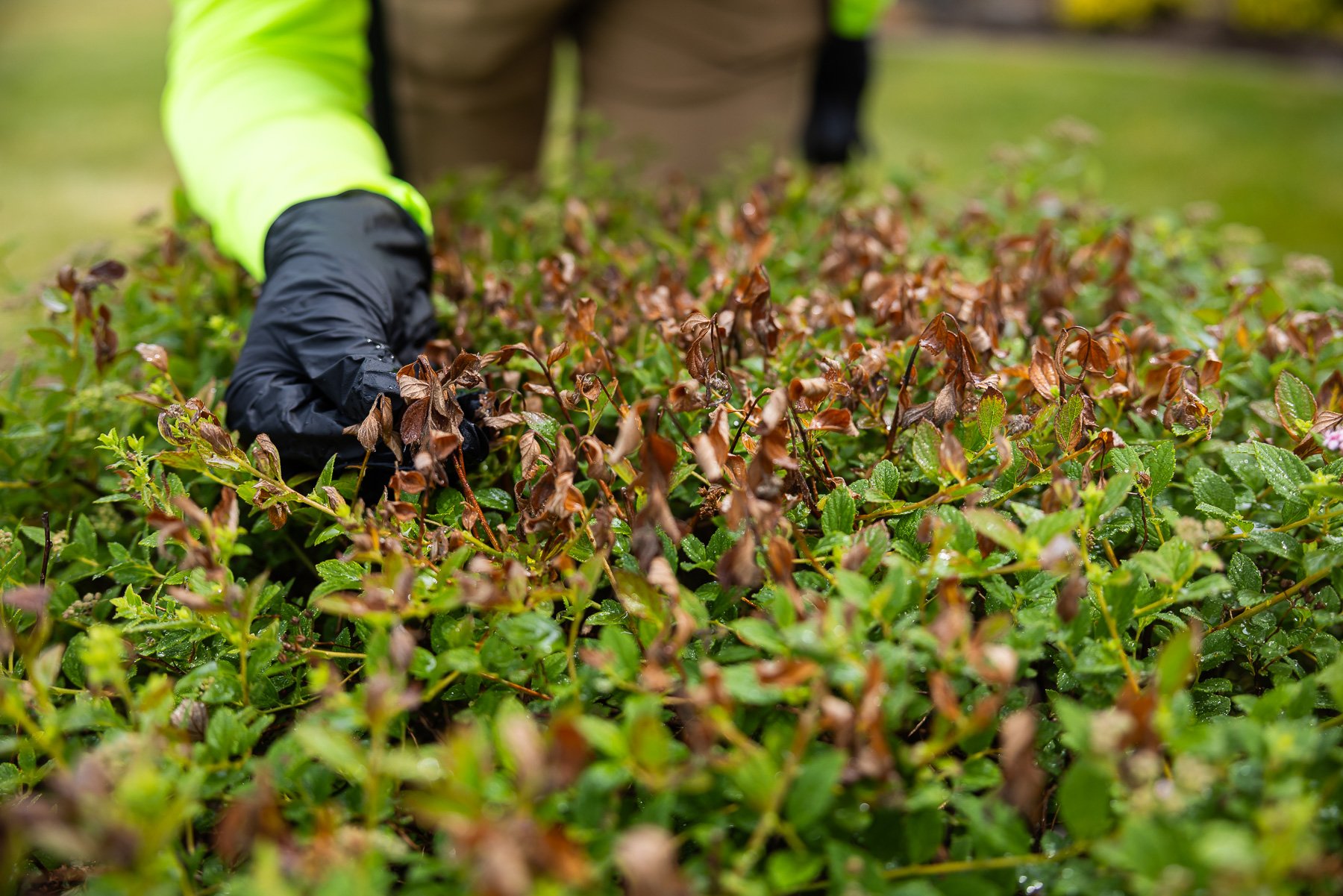
One-size-fits-all plans won’t work when these factors are so varied, let alone when we have seasons that are harsh and ever-evolving.
Wet Spring Weather & Plant Diseases
Spring can be especially challenging for our trees and shrubs. Wet conditions create an environment where certain fungal diseases become more noticeable, including common ones like anthracnose on maples (and other shade trees) and apple scab on crabapples.
Spring is also famously the time when winter damage becomes easier to see. Evergreens like arborvitae, yews, and boxwoods may come out of winter looking brown or "burned," especially after we have extra windy winter conditions.
Of course, then there's the late spring frost we often (almost always) deal with.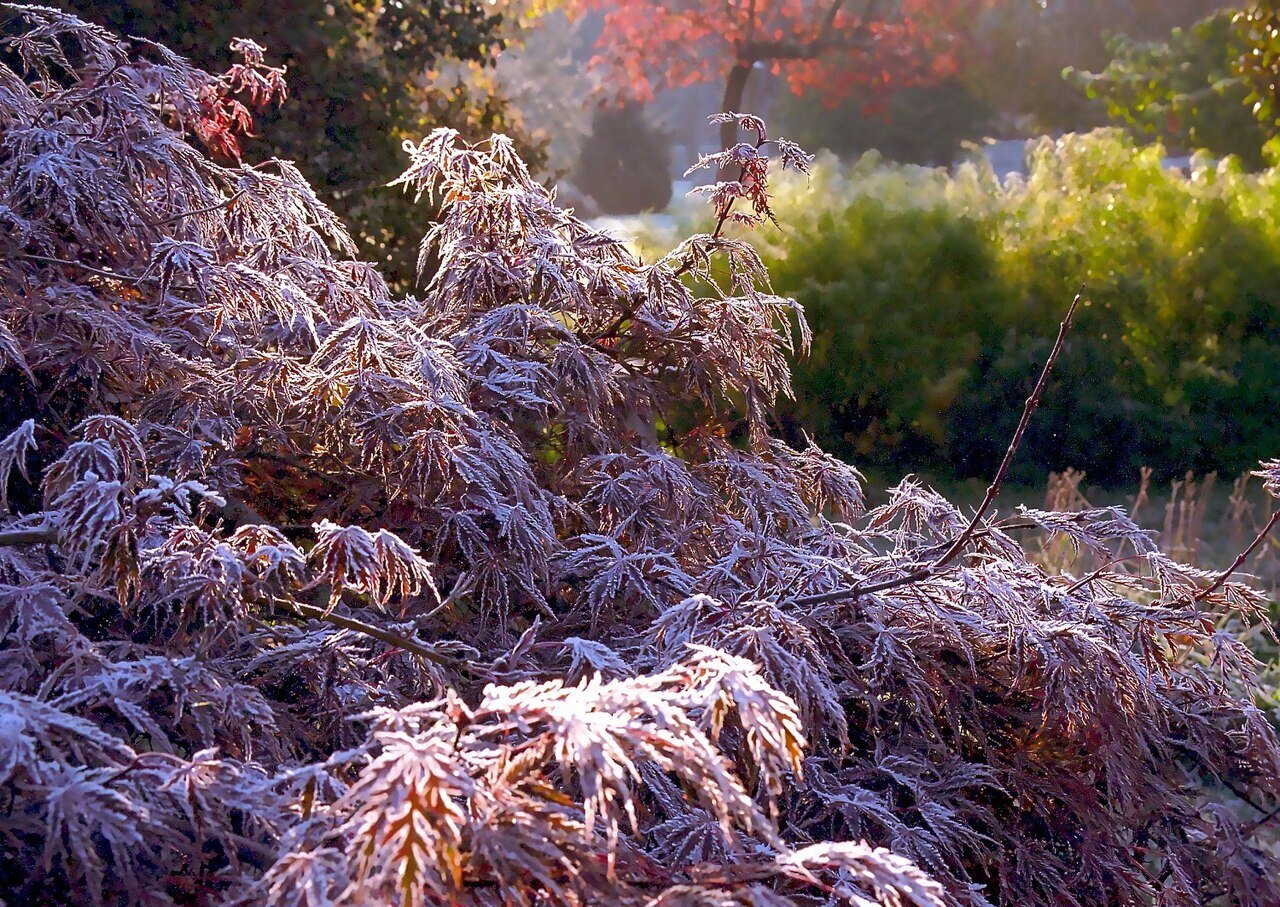
Rochester homeowners know what a fake spring looks and feels like.
If you’ve spent more than one season here, you know that a warm stretch in April or early May doesn't necessarily mean winter is over and done with. Temperatures can (and often will) drop again after new growth has emerged, which damages tender leaves, buds, and flowers.
Summer Stress
Summer brings relief from the frost and freezing conditions, but it also ushers in a different set of unique challenges.
Hot, dry stretches put intense stress on the newer plantings, shallow-rooted trees, and plants that are already struggling with poor soil or drainage.
Usually, the go-to move is to water these plants even more, but overwatering can create its own set of new issues. Underwatering, on the other hand, can leave plants stressed going into the rest of the season.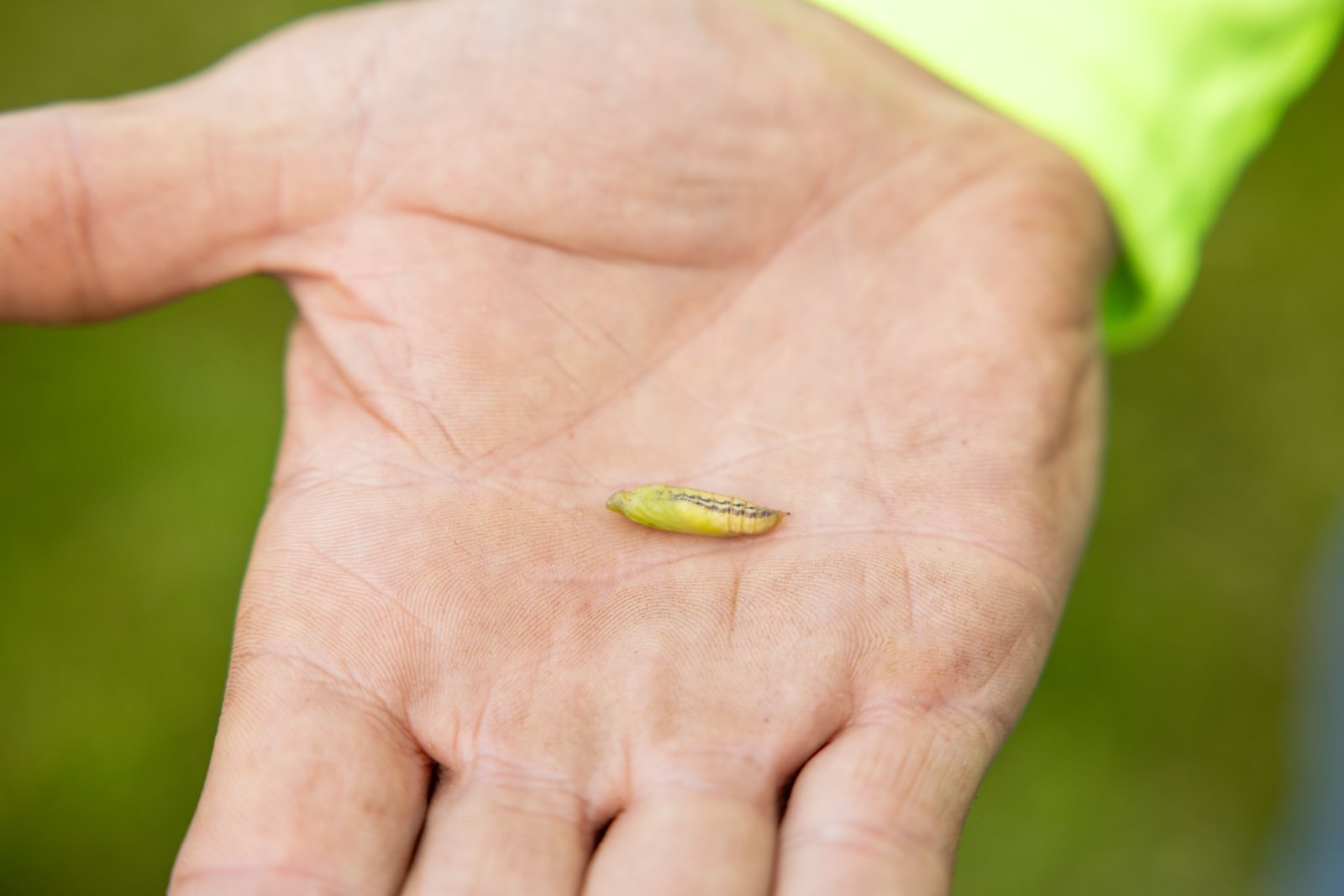
This time of year is also peak insect season. In our neck of the woods, we have plenty of pests to tussle with, including Japanese beetles, bagworms, spider mites, aphids, lace bugs, sawflies, viburnum leaf beetles, boxwood leafminers, and boxwood moth caterpillars.
Fall & Winter Preparation
Fall is usually thought of as the easy time of year when we clean the yard and put everything away to prepare for winter, but it’s usually not that simple. This is the time to provide extra care for your plants before winter hits so they’ll be set up for success next season.
Strategies like deep watering can help plants as we move into the colder months, particularly after a dry summer. Some trees, like broadleaf evergreens, may benefit from anti-desiccant sprays to protect their foliage over the winter. Of course, most plants and shrubs would benefit from deer protection, too.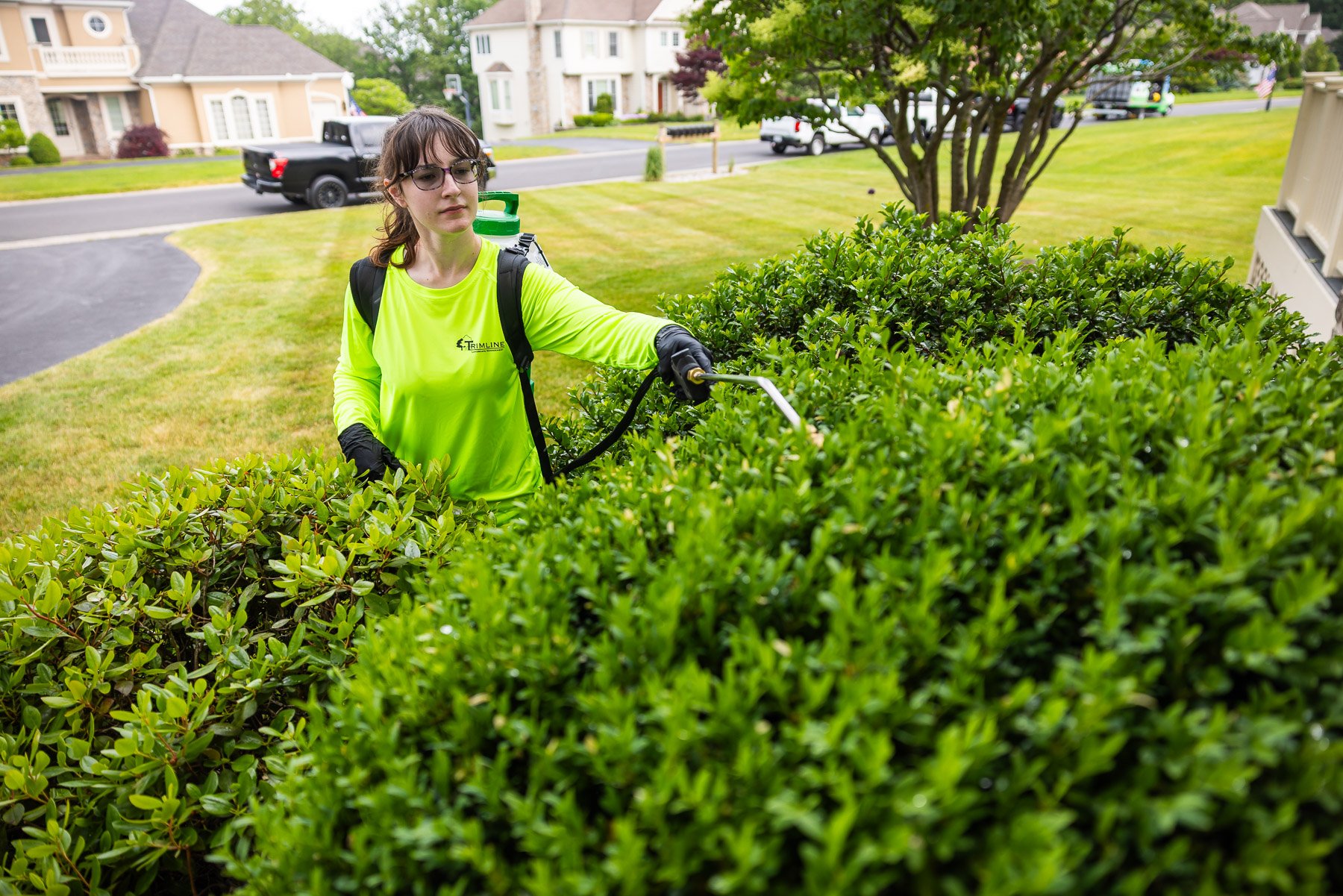
The Telltale Signs of an Unhealthy Tree, Shrub, or Plant
With all this talk about plant health and expert care, it might seem like it’s an impossible feat to really understand your own landscape. Trust us, having horticulture expertise absolutely helps, but it’s not always necessary if you know what to look for, how to spot it and, importantly, when to reach out to a professional for guidance.
A few of the most common warning signs of an unhealthy plant include:
- An unusual change in leaf color
- Spotting
- Leaf drop that happens too early
- Thinning branches
- Dieback
- Reduced or stunted growth
- Chewed-on foliage, webbing, or unusual insects
- Recurring symptoms that return year after year no matter what
Anyone who is paying attention can spot these symptoms. The really important distinction is to recognize them as symptoms, not a diagnosis.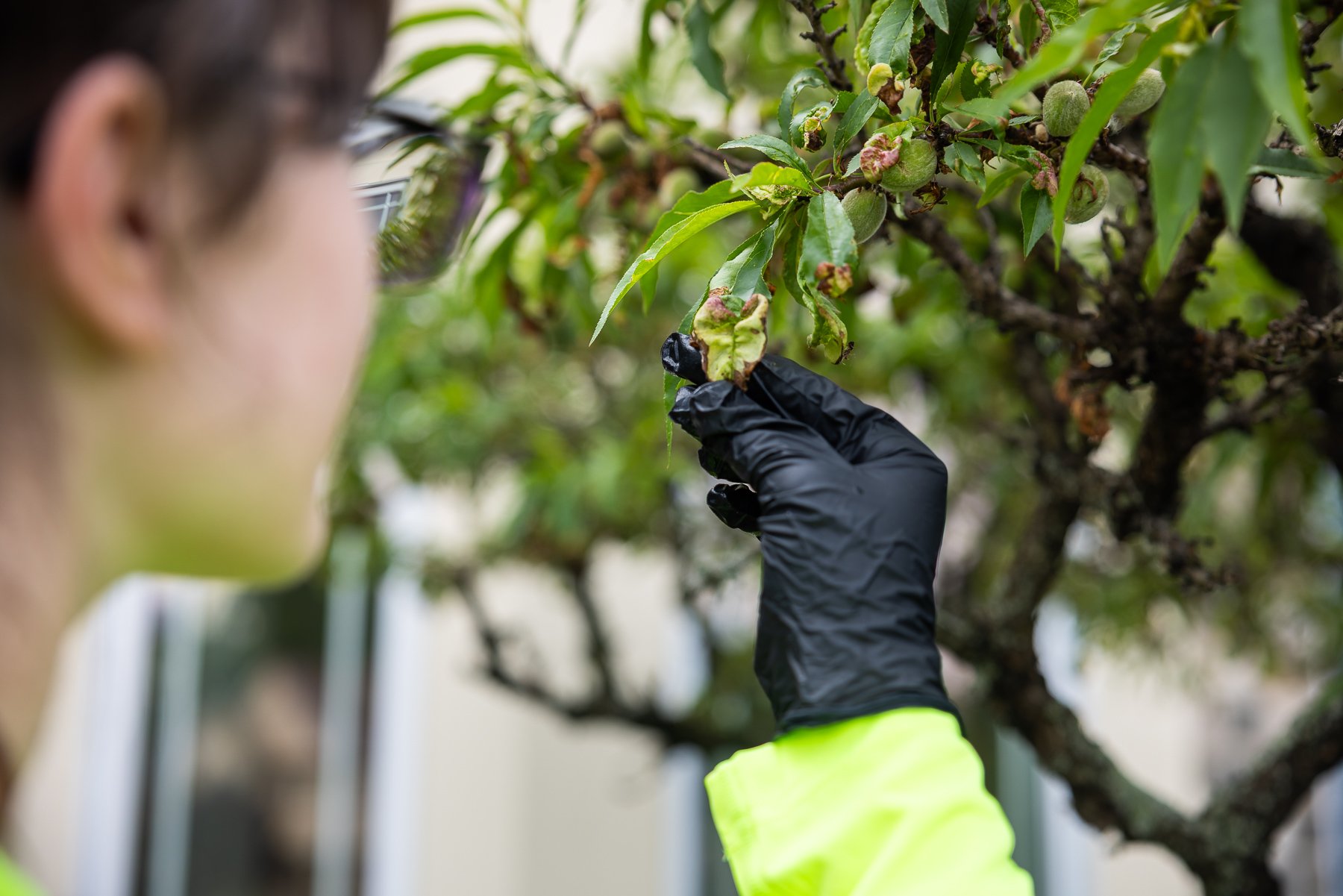
A brown shrub isn't automatically diseased, just like yellow leaves don't automatically mean a plant needs fertilizer. These symptoms can help point you (and the pros) in the right direction, but the biggest mistake is to tag these as the overarching problem, not symptoms of a greater problem.
Unusual Changes in Leaf Color
Yellowing or browning leaves are some of the most common reasons New York homeowners become concerned about their plants’ health.
It’s a very common symptom, but the cause can vary widely. Things like nutrition, soil conditions, drought stress, disease, insects, root problems, and normal seasonal changes can all affect foliage, which makes it exceptionally difficult to figure out the underlying cause.
Our best advice is to pay attention to the pattern.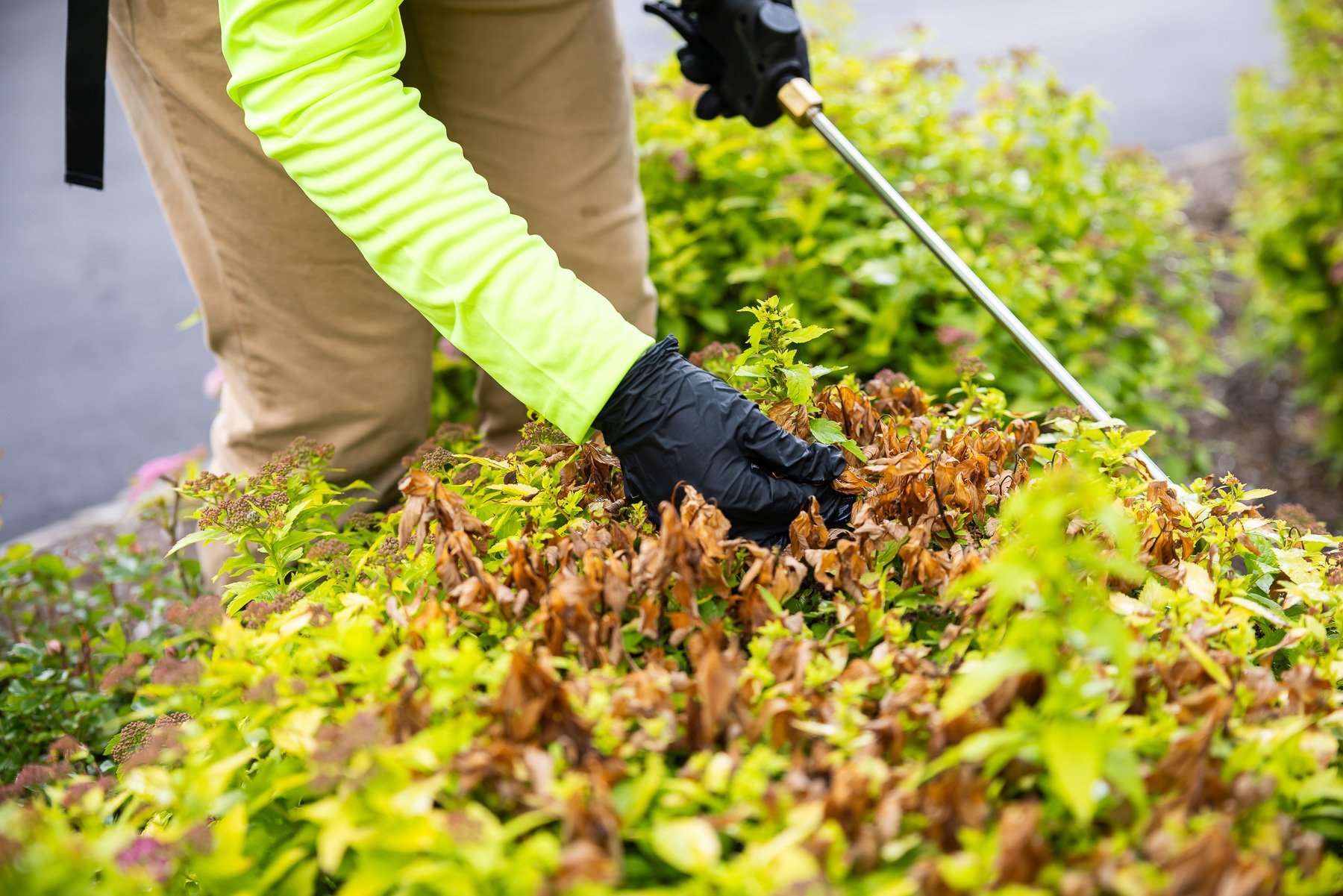
Ask and answer questions like:
- Is the entire plant changing color?
- Is the problem concentrated on one side?
- Is it happening only on newer growth or older leaves?
- Did it start to happen after a stretch of unusual weather?
Knowing the answers and having those specific details can help narrow down what's happening and guide you toward a more appropriate solution.
Thinning, Dieback, or Reduced Growth
A thinning canopy, bare branches, or reduced growth can all point to your plant experiencing stress.
With some plants – like blue spruce – homeowners may not notice the problem until lower branches have already lost a heavy amount of foliage. When they do notice, it could be spruce needle cast or Cytospora canker that’s causing the issue.
Visible Insects or Feeding Damage
Pests are the type of problem that homeowners assume they can spot easily. Sometimes, that’s true – other times, they’re pretty tricky.
Things like chewed leaves, holes, webbing, sticky residue, egg masses, and unusual bumps on branches can all be clues.
But that doesn’t mean you can always tell. Scale insects don't really look like insects at all – in fact, most people think they look like small bumps on the plant. That’s a tough one for homeowners to notice.
Boxwood moths are another good example of this. Damage often happens inside dense boxwoods, where homeowners can't easily see it – so they don’t know it’s happening. Webbing, chewed or skeletonized leaves, and interior browning can appear before the outside of the shrub turns noticeably brown.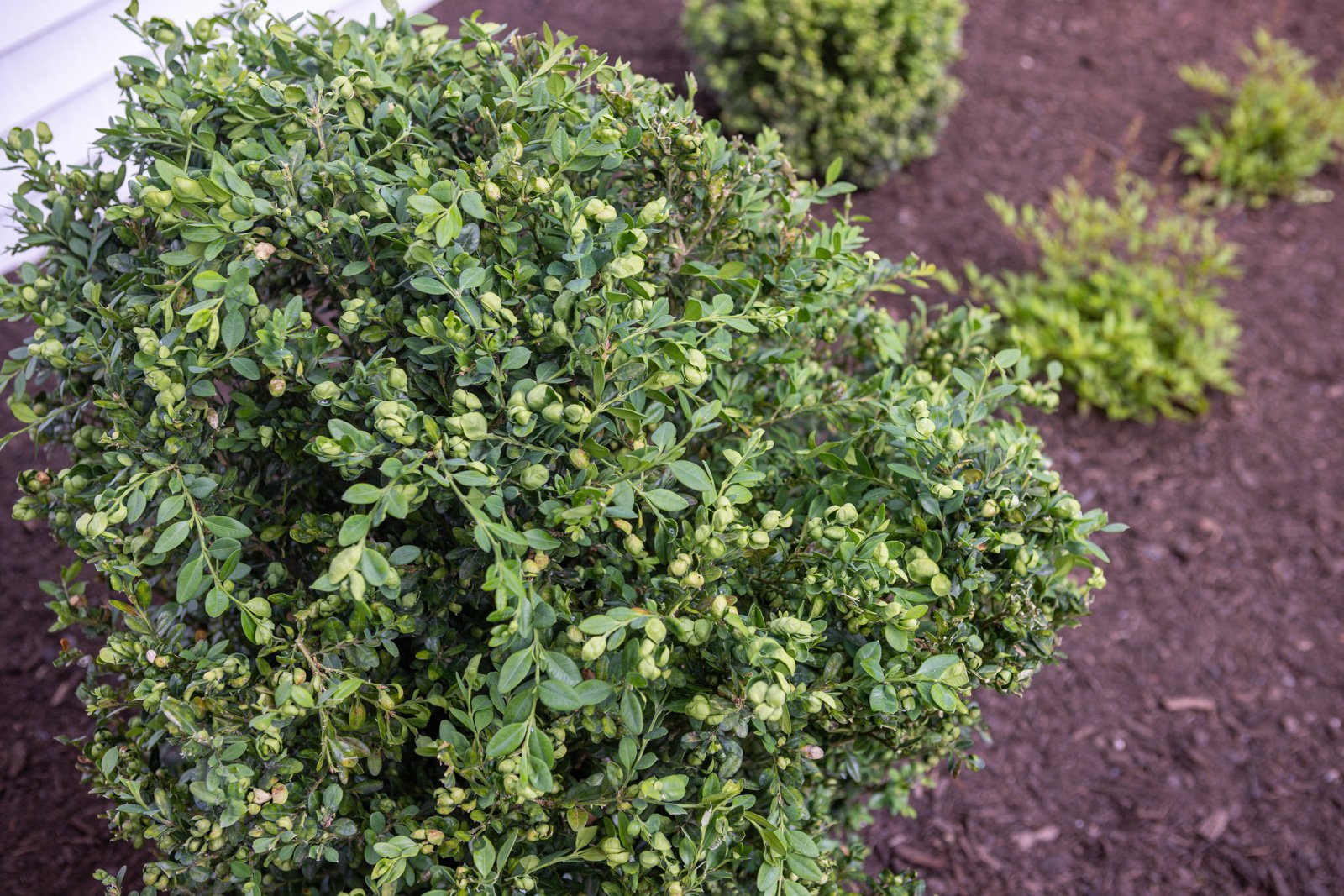
Problems That Never Go Away
If the same plant develops a problem year after year, you can usually safely assume something's up. Symptoms that return typically point toward underlying problems that aren't being addressed by typical care like watering and pruning.
Is Your Plant Stressed, Diseased, Underfed, or Being Attacked by Insects?
This is where plant health care gets a little more complicated (and where experts can be exceptionally helpful).
A plant can exhibit signs of one thing but actually be dealing with something else entirely. Knowing the symptoms is a great first step, but being able to piece together what’s causing those symptoms is the real key to providing the best plant health care.
Here are a few signs that can help you point to what your plant might be dealing with:
- Signs Your Plant is Experiencing Environmental Stress: Rochester plants deal with plenty of environmental stressors, like winter damage, salt, heat, drought, heavy clay soils, poor drainage, compaction, and quick temperature changes. A plant that's sitting in wet soil during spring and then baking during a dry summer may struggle even if there isn't a pest or disease involved. Salt is a problem, too. Shrubs near driveways and roads usually get the brunt of salt damage.
- Signs Your Plant is Experiencing Plant Disease: Disease symptoms could include recurring leaf spots, premature leaf drop, dieback, or problems that become more noticeable after wet weather. Some of the most common diseases in our area are anthracnose, powdery mildew, and apple scab.
- Signs Your Plant is Experiencing Pest or Insect Damage: Insects may chew leaves, suck plant juices, tunnel into wood, or feed in places that aren't immediately visible. Different insects become active at different points in the growing season, too.
- Signs Your Plant is Experiencing Inadequate Nutrition: Rochester's clay soils can make nutrient availability more complicated, and iron or nitrogen deficiencies may contribute to poor color and growth.
The Right Diagnosis Matters: Here’s Why
As we said, the same symptoms can have several causes. If you don't identify the underlying problem first, you may end up treating something that isn't actually wrong.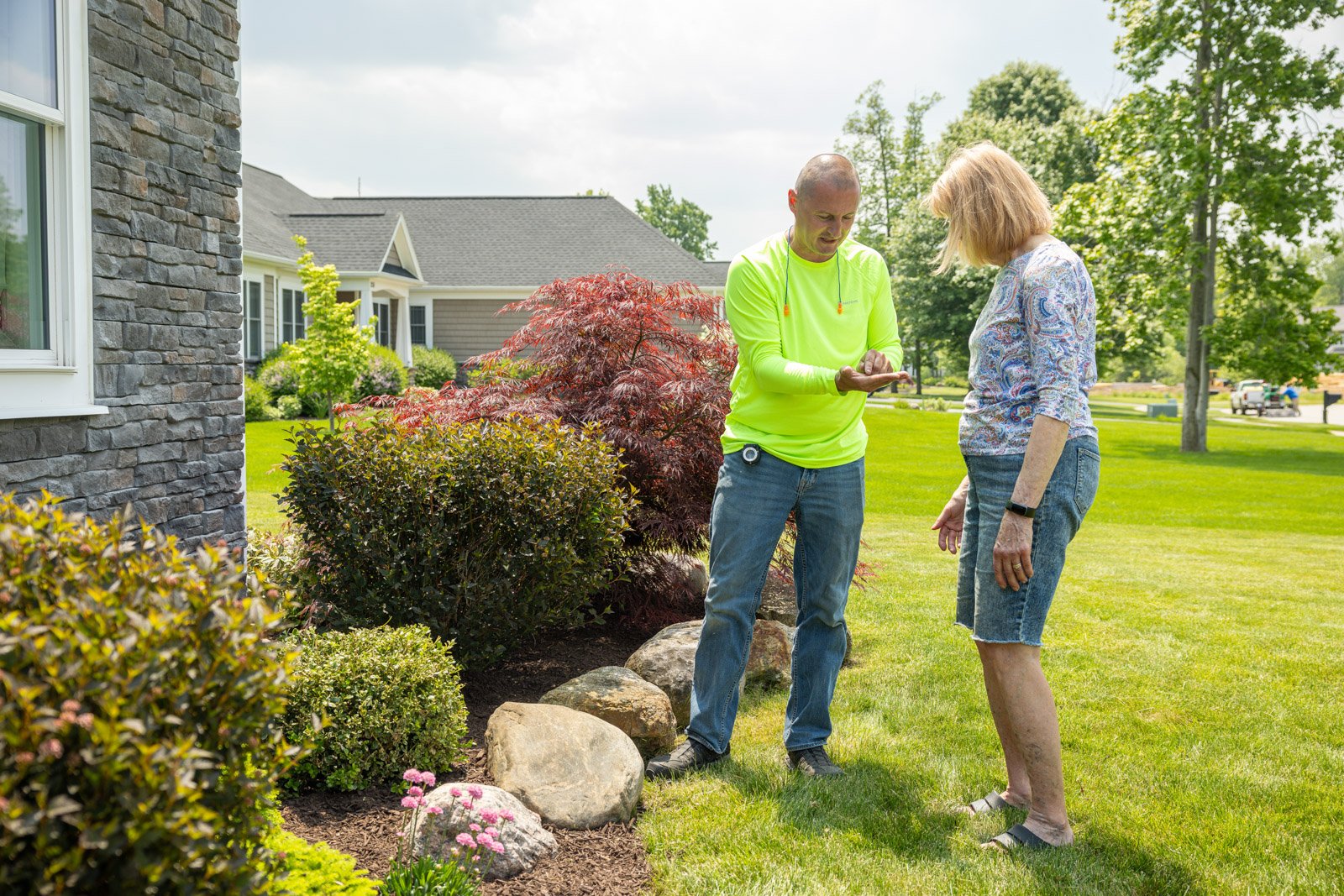
Our approach at Trimline is straightforward: look at the plant, observe the site, identify the likely cause, and then recommend the appropriate next step.
Diagnosing Common Tree and Shrub Diseases in Rochester
Our wild weather can cause issues with fungal diseases, especially as a result of our wet seasons.
- Anthracnose: Anthracnose can affect maples and other shade trees. The symptoms become more noticeable during wet spring conditions. It can cause spotting and damage to developing foliage.
- Powdery mildew: You’ll recognize the familiar white, powdery coating on leaves. Lilacs are one Rochester landscape plant that can be particularly prone to it, especially as the season progresses.
- Leaf spot diseases: Leaf spot is a broad category rather than one single disease. Different pathogens can create different types of spots, and weather conditions can influence how severe the problem becomes.
- Apple scab: A common concern for our crabapples. It usually leads to spotting and early leaf drop.
Healthy Plants Start Below the Surface
When a plant looks unhealthy above ground, it's easy to focus only on the leaves and branches. But what's happening below the surface matters more.
Roots need access to water, nutrients, and oxygen to live healthily. Compacted soil isn't just a lawn problem. When present in planting beds, it can interfere with root growth, while poor drainage can leave roots sitting in overly wet conditions. Heavy clay soils already affect nutrient availability, too - which leaves your Rochester plants struggling with their soil in most cases. 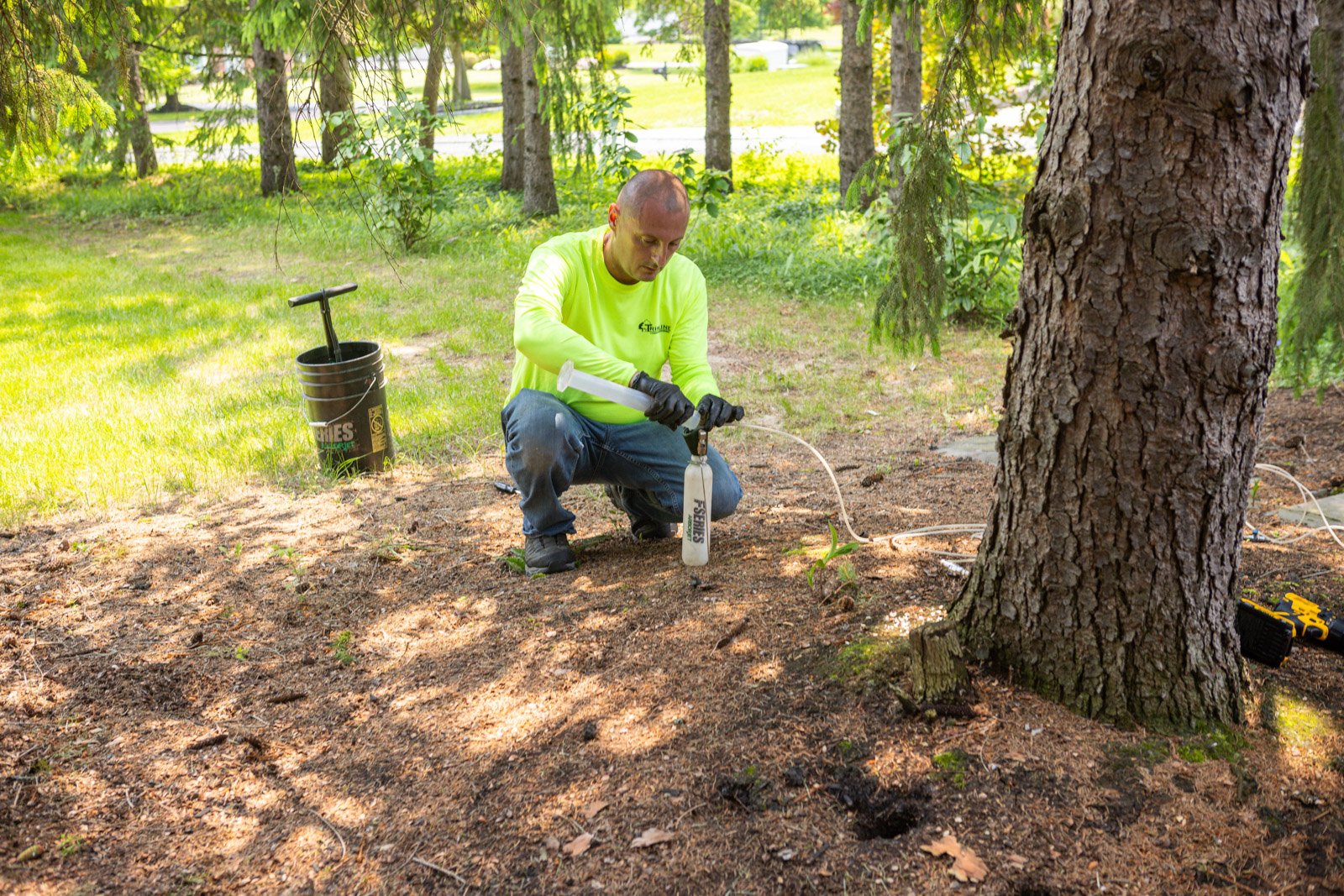
This is usually when the conversation of fertilization comes into play – is it the right choice for your plant, and how can you tell?
When Might Trees or Shrubs Benefit From Additional Nutrition?
Whether or not a plant, tree, or shrub will benefit from extra nutrition and fertilization completely depends on the plant and what’s happening at the specific site.
If a tree or shrub is showing signs of stunted growth or nutrient deficiency, nutrition may be one part of the solution. The goal should never just be “fertilize more,” though – it needs to be to understand the plant’s needs and address those. Sometimes, deep root fertilization can be the solution.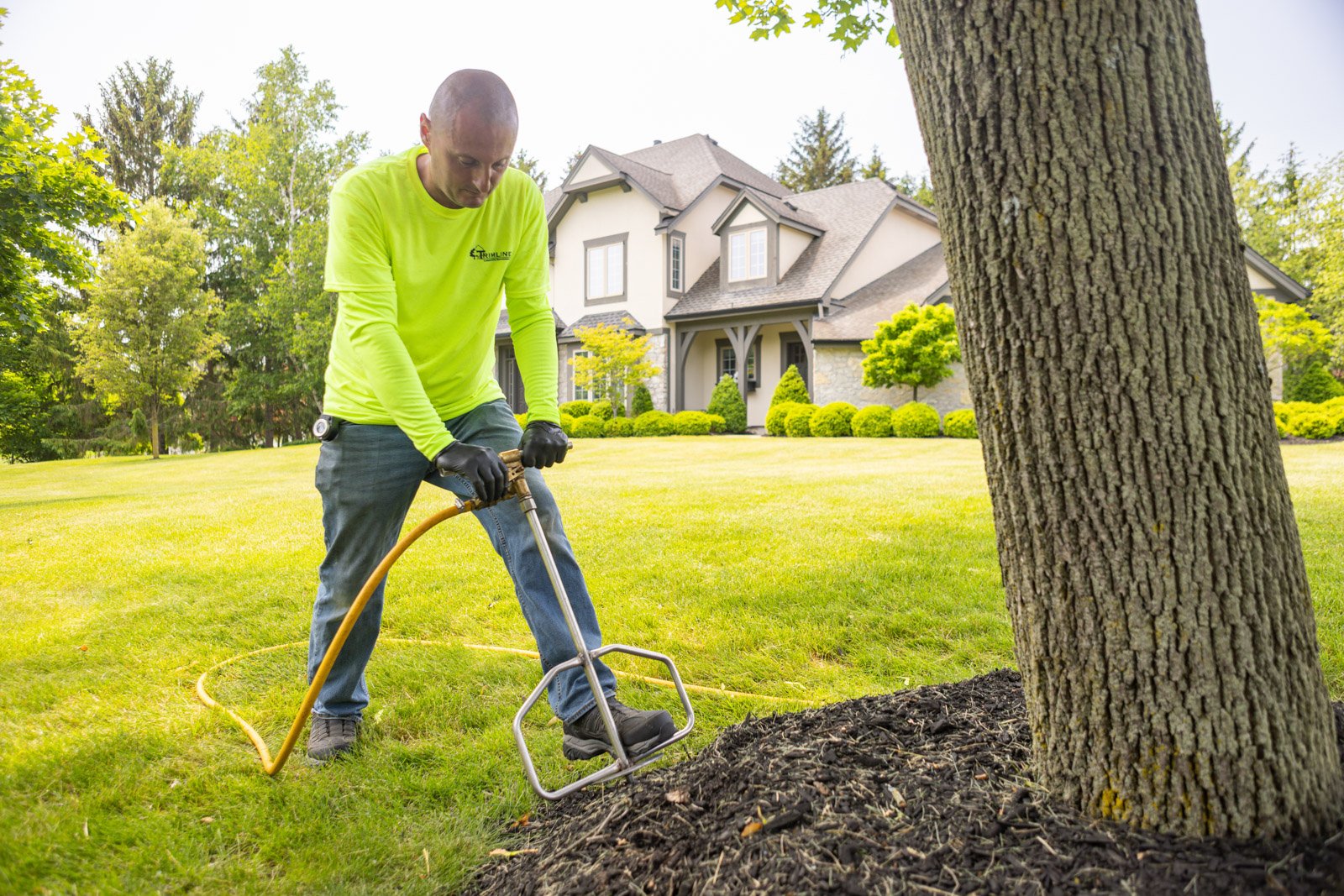
Deep root fertilization delivers nutrients below the surface and into the soil around the plant's roots. Our team uses a specialized nutrient blend to support trees and shrubs and help them handle stress from tough weather or poor soil.
A Seasonal Plant Health Care Calendar for Rochester Homeowners
Something we always want to stress to our clients is that plant health doesn't follow a calendar perfectly. It’s not as simple as saying, “it’s the first week of spring, time to prune trees!” That said, different concerns tend to become more noticeable as the seasons change, and there are some common services that should be performed per season.
Spring
Early spring is the right time to look for winter burn, salt damage, vole or rabbit damage, and signs of frost injury. As plants leaf out, watch for disease symptoms and early caterpillar activity.
Remember: brown doesn't automatically mean dead. Check the buds and inner growth before deciding an evergreen needs to be removed.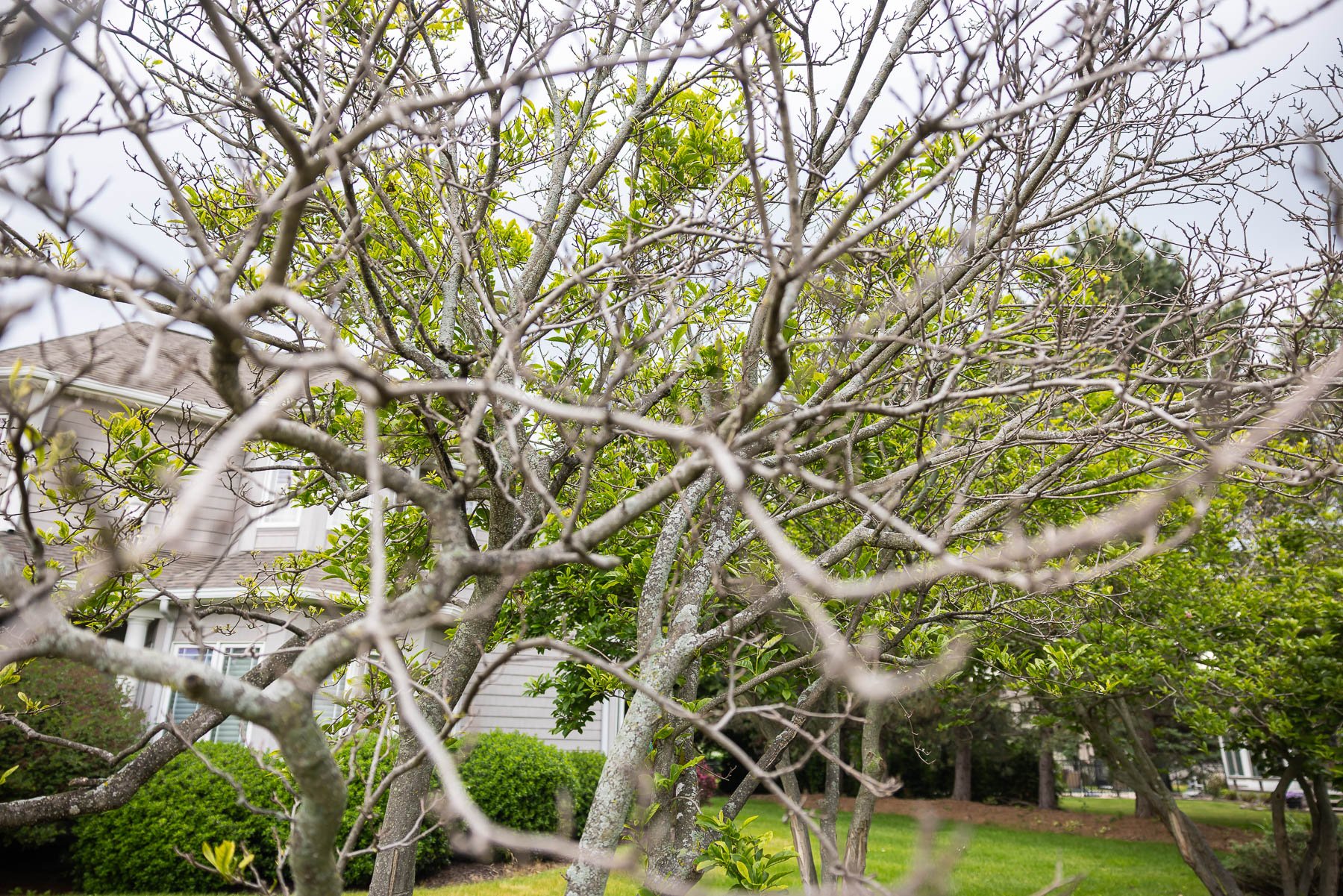
In late spring, insect activity starts picking up significantly. Watch for aphids, lace bugs, sawflies, viburnum leaf beetles, boxwood moths, and scale. It also depends on how spring goes – wet spring weather can make fungal diseases more noticeable.
Summer
Pests like Japanese beetles, bagworms, and spider mites tend to pop up around the summertime. Powdery mildew often shows up on susceptible plants during this time as well.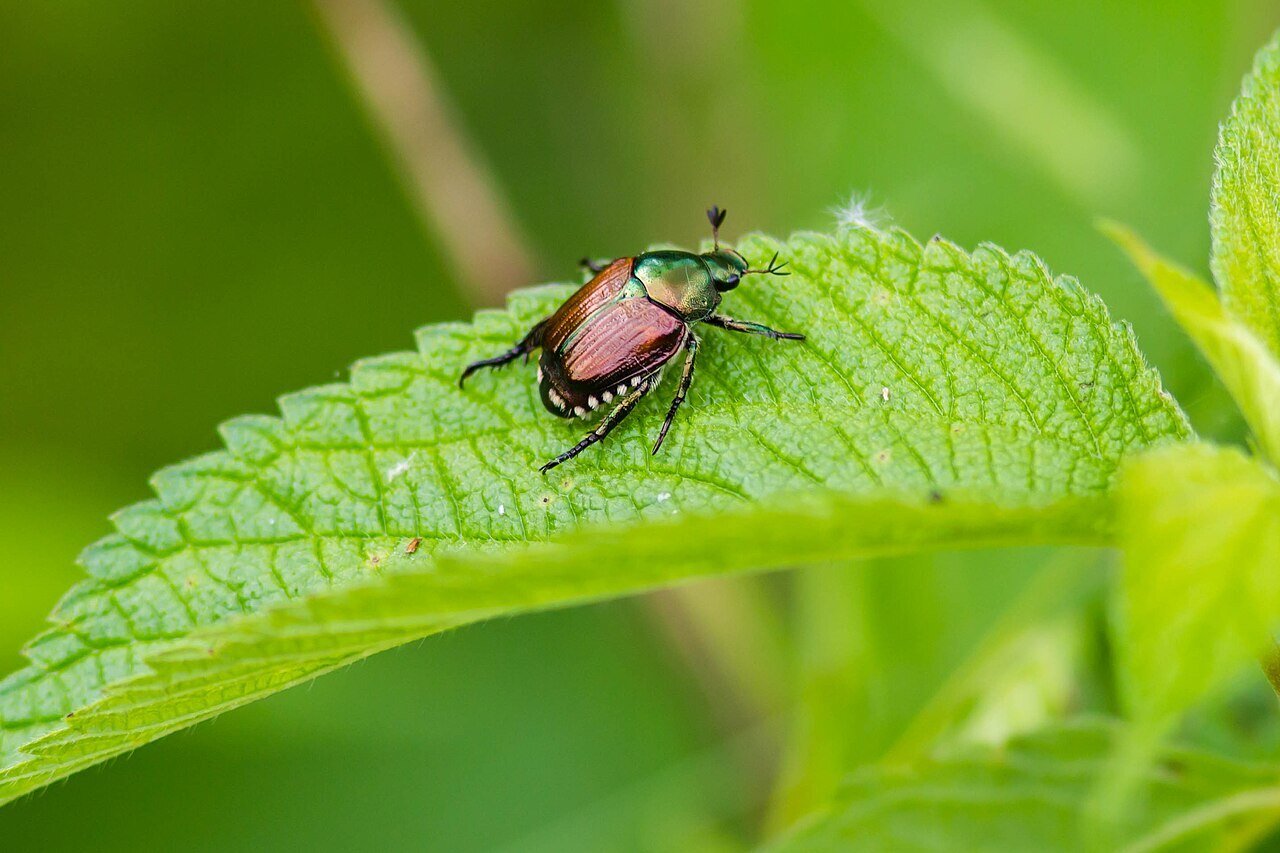
Fall
This is when fungal problems can become more apparent, especially as we get later in the season. Spruce needle cast and Cytospora canker tend to make themselves known around this time.
Winter
Winter care should start a few weeks before winter arrives. Deep watering in the fall, appropriate protection from deer, and preparation for winter exposure can help reduce stress during the colder months.
What Can Rochester Homeowners Handle Themselves?
We’re big proponents of homeowners teaming up with professionals to tackle their plant health care, but that doesn’t mean you can’t play an important role in your landscape’s health and take a DIY approach to some of it.
Every property, homeowner, and goal is different, but a few simple DIY habits can go a long way:
- Look over your trees and shrubs regularly
- Check both the outside and inside of dense plants
- Look underneath leaves for insects, eggs, or damage
- Pay attention to weather conditions and extended dry periods
- Water appropriately when plants need it
- Keep mulch away from tree trunks (think donut, not volcano)
- Keep deicing salt and plowed snow away from shrub beds (when possible)
- Take photos when you notice a change so you can compare symptoms over time
- Pay attention when the same problem comes back year after year
- Don't reach for a treatment before you know what you're actually treating
When Is It Time to Call a Plant Health Professional?
Like we said, there are plenty of plant health care things you can DIY – but there are other circumstances that truly do call for the pros.
We highly recommend teaming up with a plant health professional when:
- Symptoms continue to get worse no matter what you do
- Multiple plants begin showing similar symptoms
- A valuable mature tree or shrub is steadily declining
- Damage returns every year despite your best efforts
- You can't confidently determine whether insects, disease, roots, nutrition, or weather are responsible
- Significant defoliation or branch dieback starts to happen
- You find a known pest on your plants
- You want to address a recurring problem before the next season hits
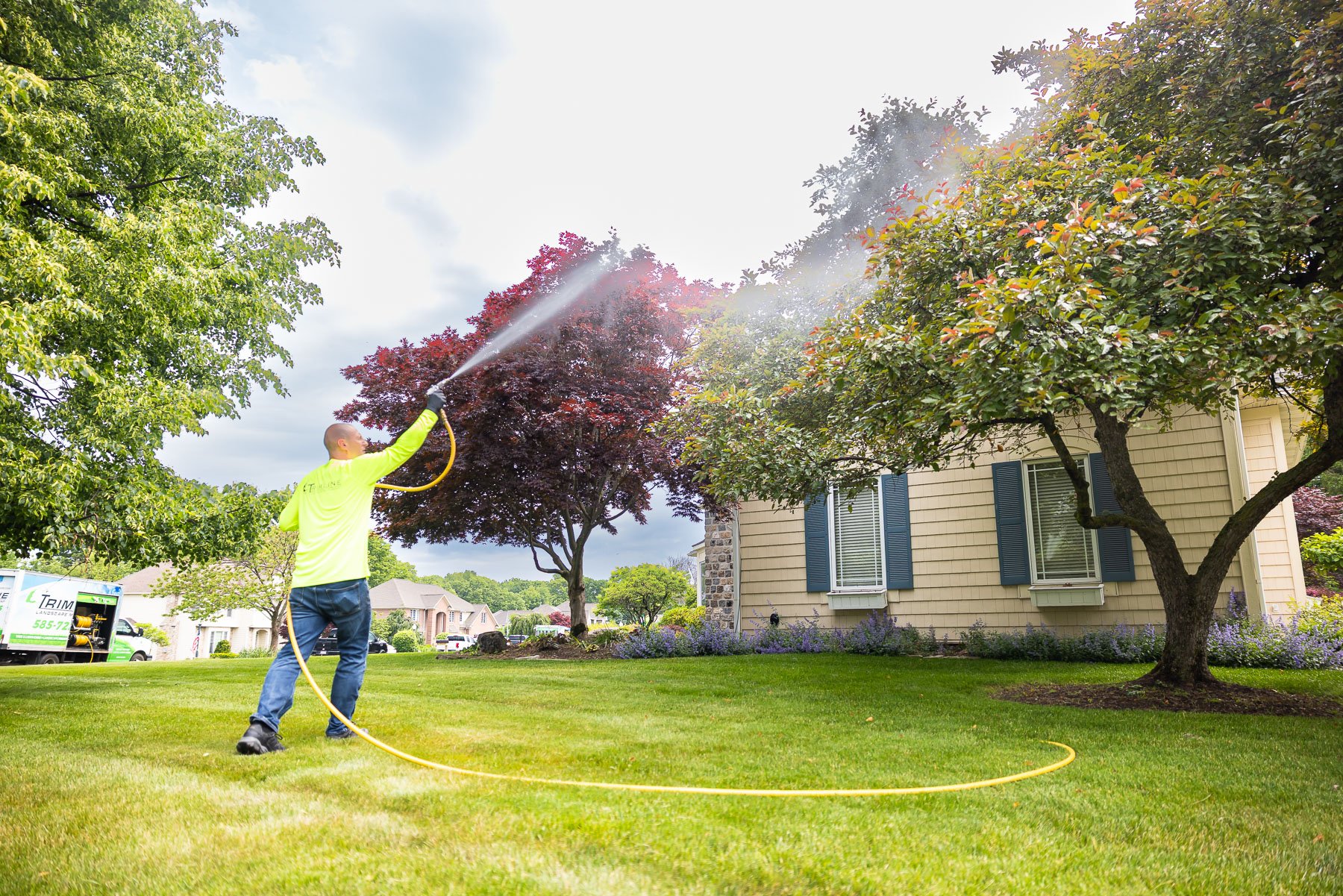 Early identification matters here, because plant problems are generally easier to manage before the damage becomes severe.
When our team’s experts evaluate a plant, they don't just look at the symptom; they try to evaluate the plant as a whole to get a full understanding of the cause.
We start by asking about the plant. We'll address when you noticed the problem and what started happening.
Then, we shift our focus from the whole plant to your whole property. We examine the foliage, inner branches, bark, trunk, and base of the plant. When it calls for it, we look at the soil and roots, too. Usually, we're looking for insects, eggs, webbing, cankers, oozing, bark damage, moisture problems, compaction, planting depth, and other clues that point us toward the root cause.
From there, we identify the likely cause and recommend a plan based on what the property actually needs.
What Does Trimline’s Professional Plant Health Care Include?
We can’t speak for other plant health care plans, but we can clearly detail what ours includes. As a caveat, every property and plant is different, so we never apply one-size-fits-all care. All of our programs include these plant health care services to provide a solid starting point regardless of what you may be dealing with.
Inspection & Monitoring
Regular inspections help identify changes before problems become severe. Our current plant health care program is built around ongoing plant health assessments and property inspections throughout the season.
Disease Management
When disease symptoms appear, our goal is to identify the problem and determine whether treatment, monitoring, or another change in care is appropriate.
Pest Management
Pest management focuses on identifying the insect, understanding its activity and life cycle, and timing treatment appropriately. For some pests, early monitoring is just as important as the treatment itself, so that’s automatically part of how we manage them.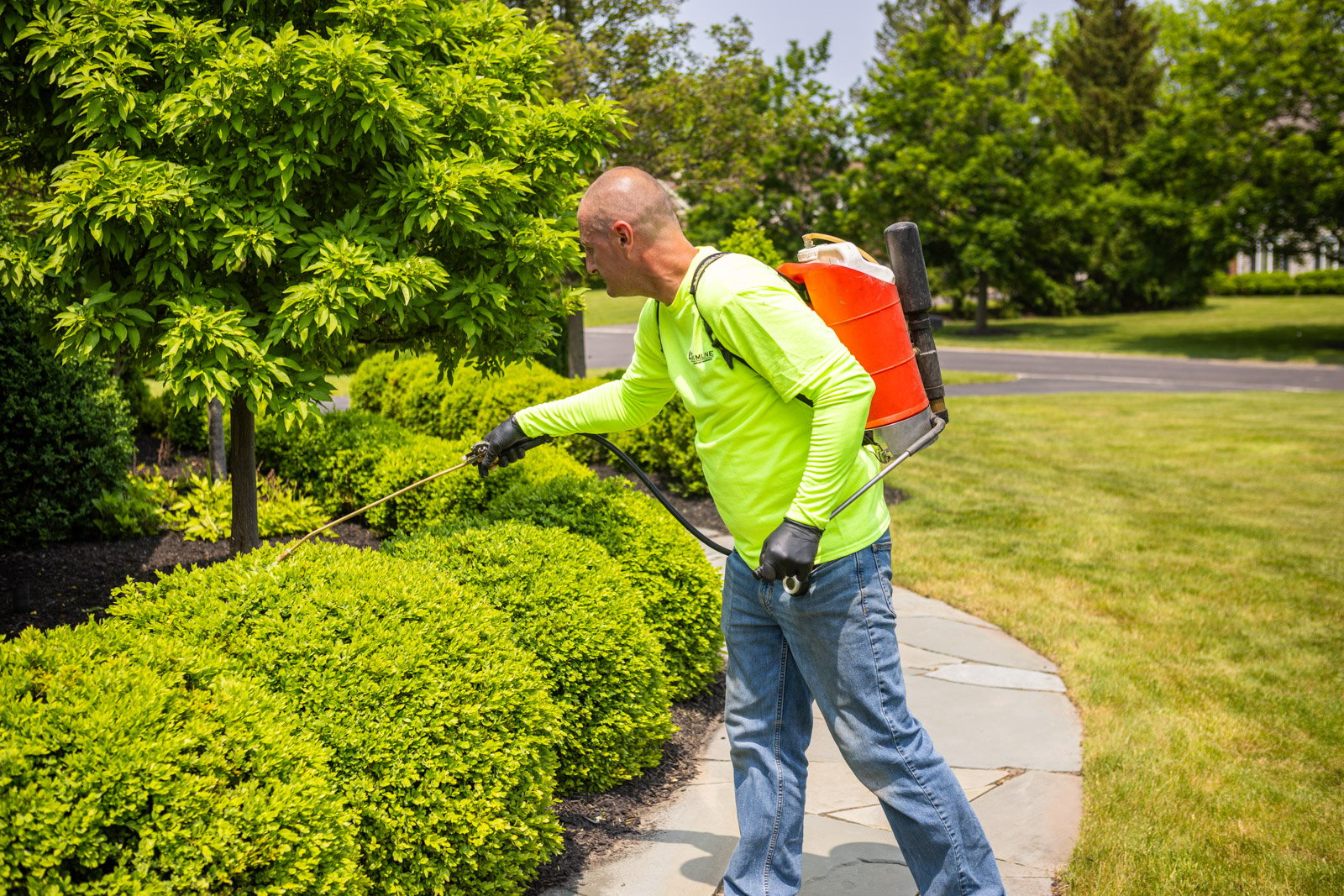
Plant Nutrition
When plants are struggling with nutrient availability, targeted nutrition can be part of the solution. Deep root fertilization is one tool we use to deliver nutrients where trees and shrubs can use them.
Specialized Care
Some plant health problems require more specialized treatments. Our plant health care services include options like tree trunk injections for certain issues, including emerald ash borer, iron deficiencies, fungal diseases affecting larger trees, and leaf-feeding insects on canopies that are too tall to spray safely.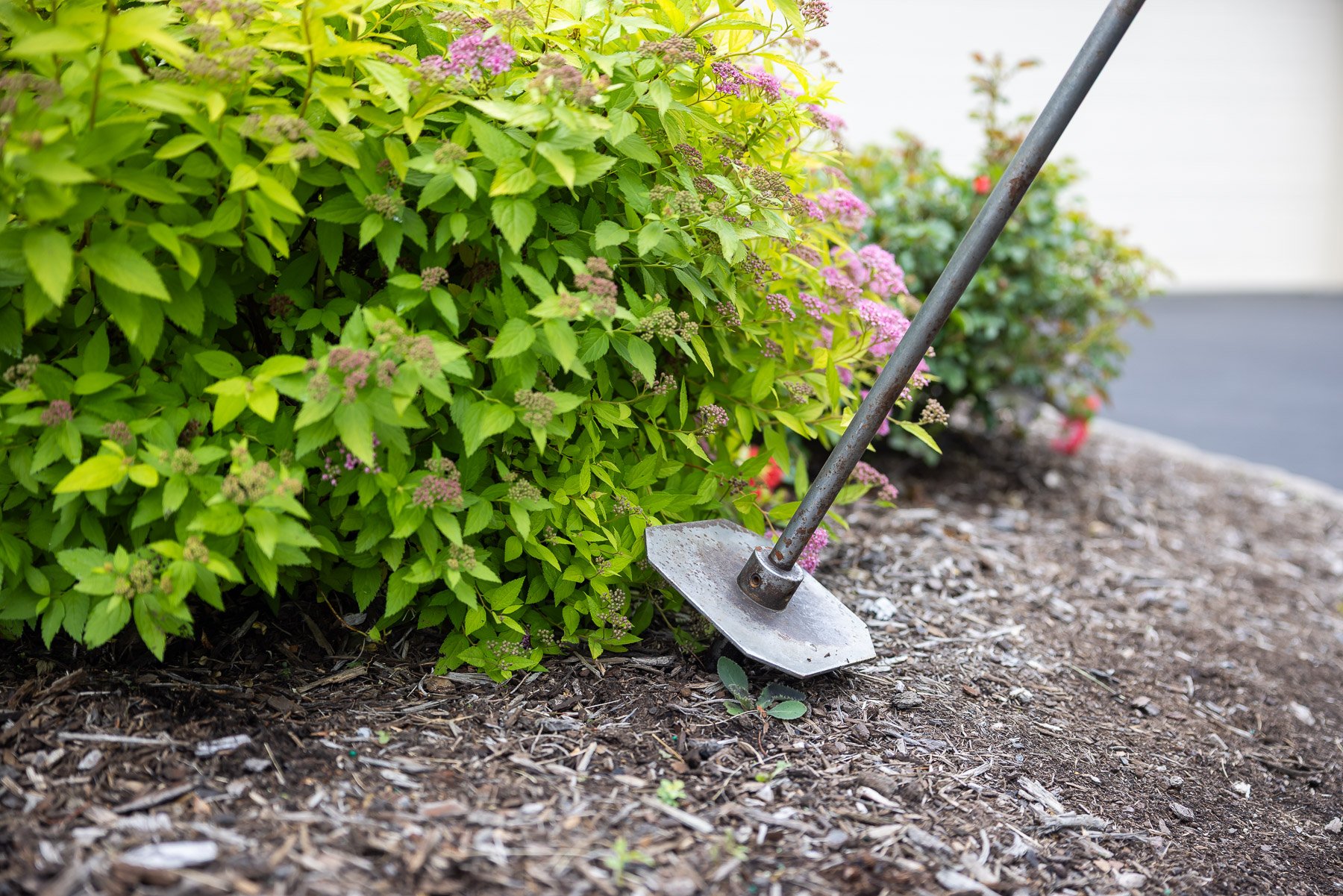
The important thing is that professional plant health care is tailored to the landscape rather than applying the same treatment to every property.
Trimline Plant Health Care FAQs for Rochester Homeowners
So, what is plant health care?
We like to think of plant health care as a plan dedicated to maintaining healthy trees and shrubs through a holistic approach. To us, this includes regular inspection, monitoring, nutrition, pest management, disease management, and timely treatment. Instead of waiting until a problem becomes obvious, the goal is to identify concerns early and provide care based on what the plant and property actually need.
What are the signs of an unhealthy tree or shrub?
Common signs are yellowing or browning foliage, premature leaf drop, thinning branches, dieback, reduced growth, unusual spots, chewed leaves, webbing, sticky residue, visible insects, or problems that repeatedly return. That said, these symptoms don't always reveal the cause. Several different plant health problems can look very similar!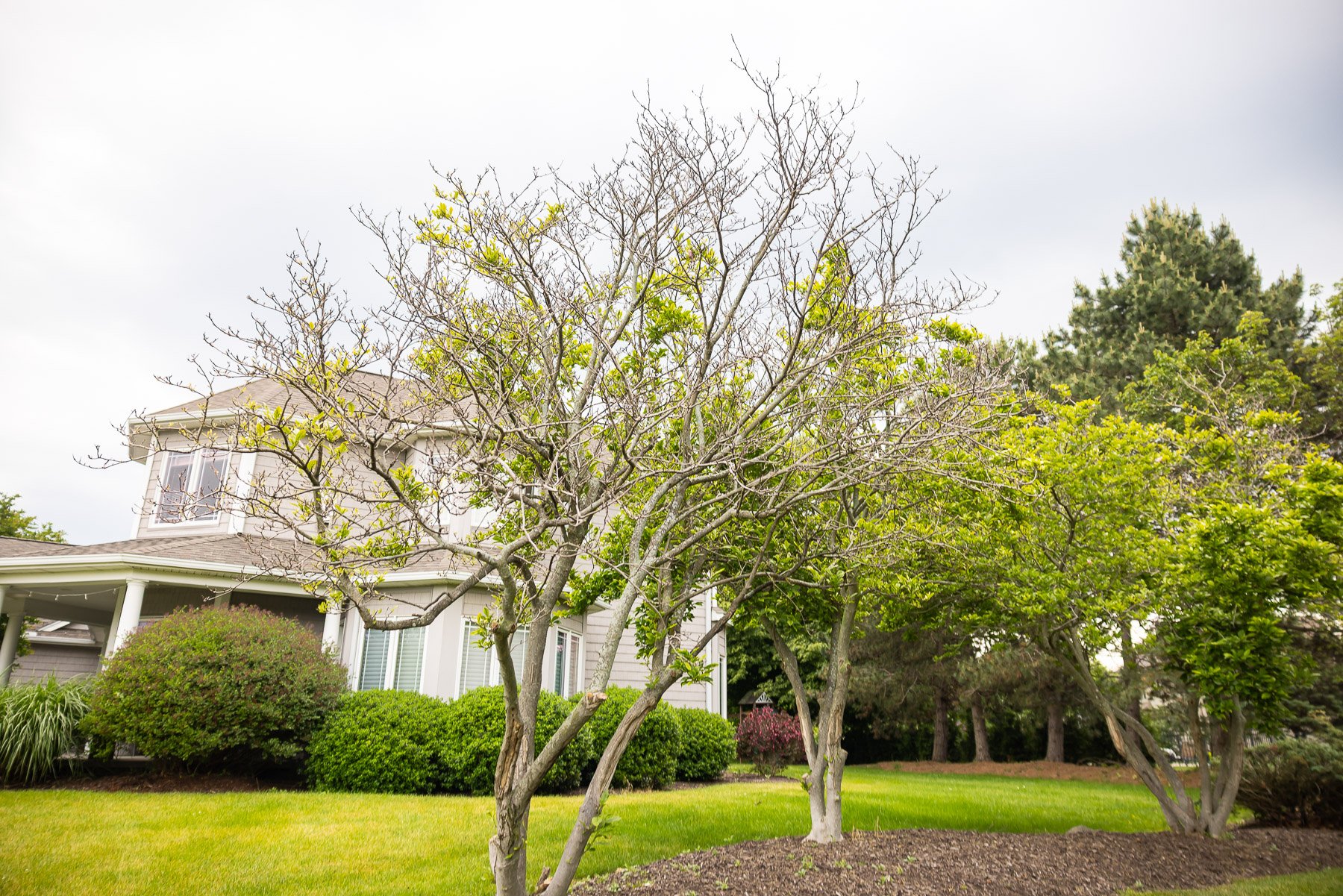
Why are my tree leaves turning yellow?
There isn't one answer we can give without diagnosing the specific plant and understanding its environment. Yellowing can be caused by nutrition, soil conditions, root problems, drought or other environmental stress, insects, disease, or normal seasonal changes.
Why are my shrubs turning brown?
There could be several reasons, so it’s impossible to diagnose the issue without assessing the individual plant and its environment. That said, brown foliage can result from winter burn, salt damage, drought stress, insects, disease, root problems, or other environmental conditions.
Can plant health care help prevent disease?
Plant health care can help with prevention by routinely monitoring plants, supporting overall plant health, identifying disease symptoms early, and applying properly timed treatments when appropriate. Of course, even those efforts can't guarantee that a plant will never develop disease, but proactive care can help reduce the chance that smaller problems become larger ones.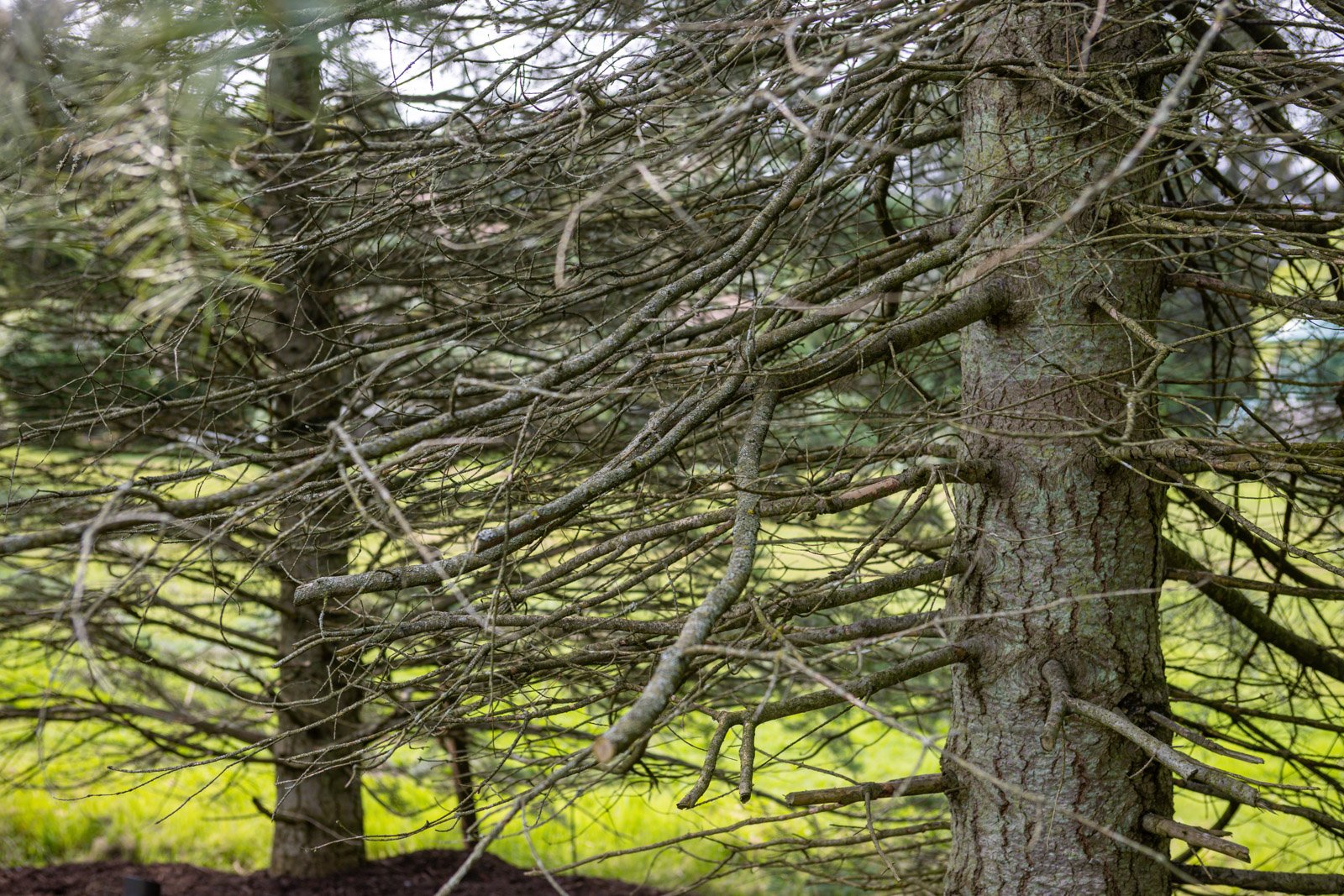
Does plant health care include insect control?
We think it should, which is why our plant health care plan does. Because insect activity changes throughout the season, identification and timing are important parts of effective pest management.
Is plant health care the same as pruning or landscape maintenance?
It is not. While there’s sometimes overlap in the common goal of these practices, plant health care focuses on the holistic health of trees and shrubs. Pruning and trimming are separate services that we offer through our landscape maintenance services – maintenance and long-term health are different.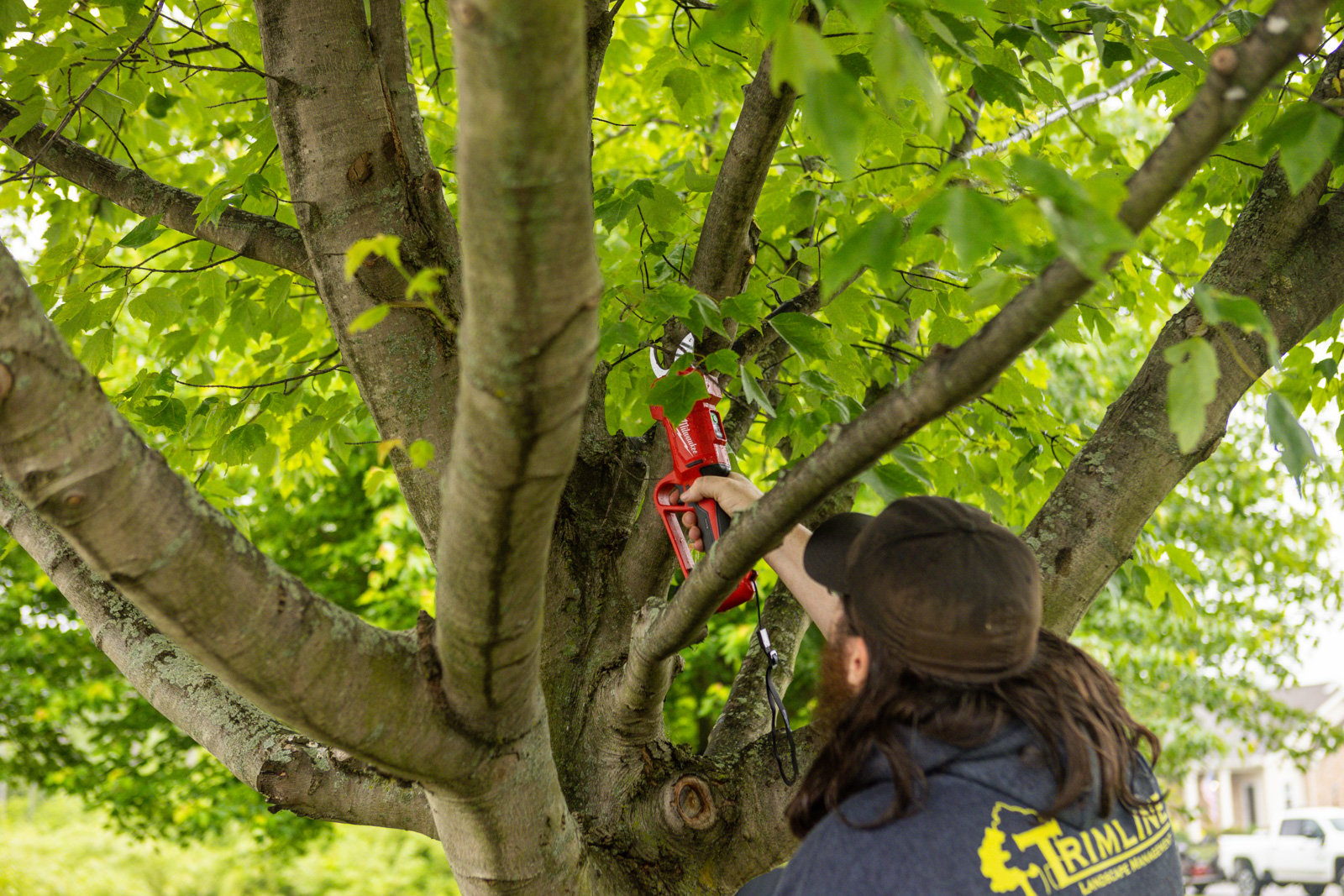
Protect the Landscape That Makes Your Property Feel Like Home
Healthy trees and shrubs make a yard look nice, but it’s so much deeper than that.
They provide shade and privacy, give property structure, add seasonal interest, increase curb appeal, and make an outdoor space feel established.
But more than that, they make your house – and property – feel like your home.
The thing is, plants, trees, and shrubs can be complicated. Loving yours doesn’t mean you have to become a plant expert to protect all of it. That’s why teaming up with a partner who understands how much your landscape means to you is crucial.
Our approach is simple: we look closely, understand what's happening, and recommend the care your landscape actually needs so it can thrive year after year.
We know Rochester's changing seasons, the plants that commonly struggle here, and the warning signs that can be easy to overlook. More importantly, we believe in clear communication and practical solutions.
Every property might be different, but the goal is always the same: we help you have healthier plants, fewer surprises, and fewer things in your yard to worry about.
Worried about a tree or shrub? Let our plant health care team at Trimline take a closer look.
Image Sources: frosted japanese maple foliage, japanese beetle


