
- Plant Health Care
4 min read
When to Call a Plant Health Specialist in Rochester
Maintaining healthy plants is a top priority for homeowners across Monroe County and the surrounding New York communitie...
Maintaining healthy plants is a top priority for homeowners across Monroe County and the surrounding New York communities. Healthy plants look their best, keep maintenance demands (and costs) to a minimum, and let you simply enjoy your beautiful landscape with peace of mind.
Staying on top of pruning and other routine care goes a long way toward keeping your trees and shrubs in good shape. Unfortunately, basic upkeep isn't always enough — and when larger concerns arise, professional plant health care services become essential.
Knowing when to call in a plant health care specialist can save you, your landscape, and your bank account from unnecessary heartbreak. Because catching plant health issues early is critical, we've put together the following guide to help you identify potentially serious problems and connect with a plant health specialist before it's too late.
Jump To:
What Does a Plant Health Specialist Do?
The Most Common Signs You Should Call a Plant Health Care Specialist For
What Types of Plant Health Problems are Frequently Overlooked?
Why is Identifying the Underlying Plant Health Issues So Important?
What Does a Plant Health Care Visit Include?
Working with Trimline for Plant Health in Rochester
Many homeowners assume that regular maintenance is enough to keep their landscape thriving. That's often true — but there are exceptions where plant health can decline without more advanced, professional intervention.
At the heart of these services, a plant health care specialist focuses on the well-being of trees, shrubs, and ornamental plants by examining the biological and environmental factors that influence them. In other words, these experts look beyond routine maintenance and aesthetics to evaluate the underlying health of your plants. That's the key difference between general landscape maintenance and the work of a plant health care technician.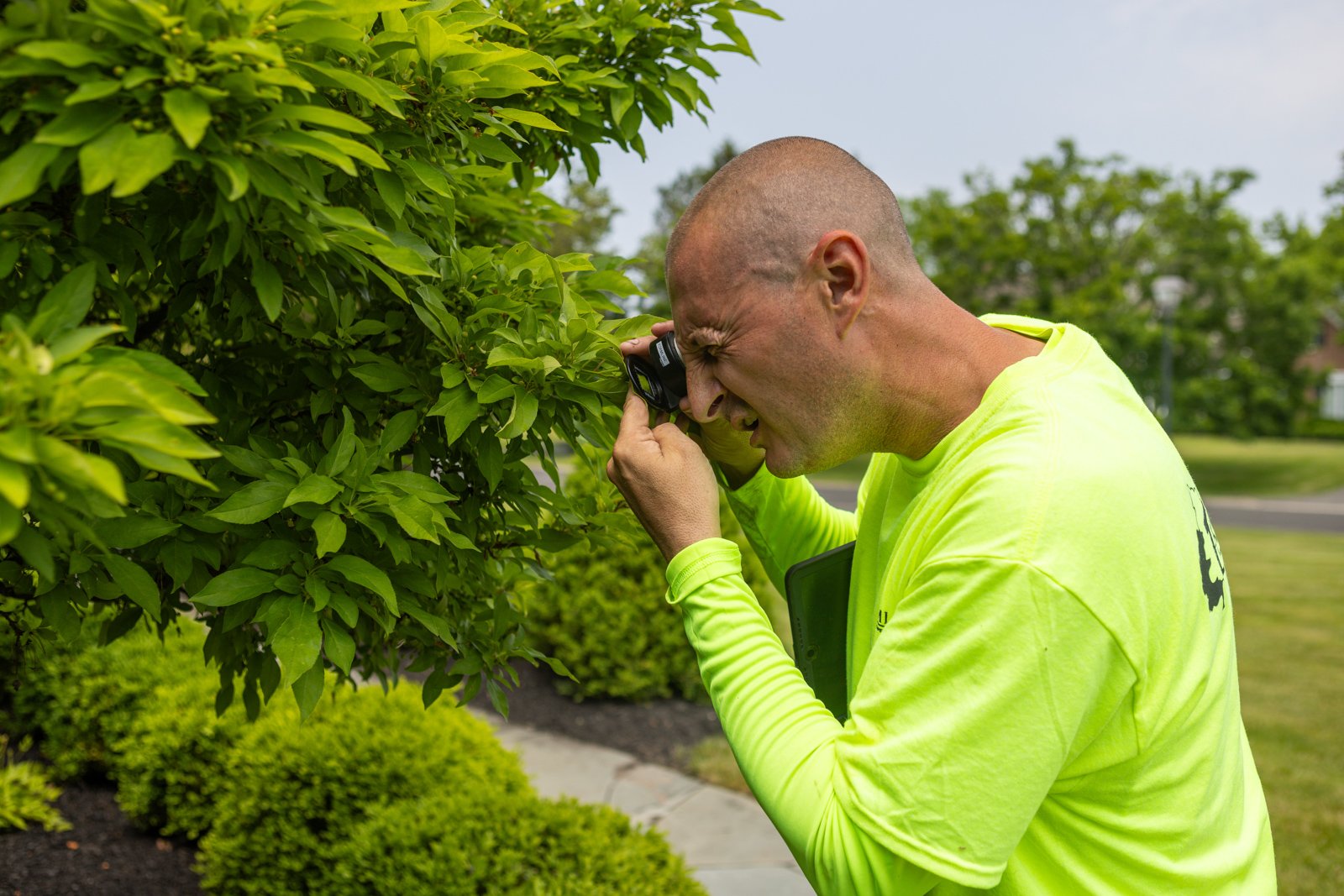
Practically, this means testing a plant for various health concerns that range from diseases and pest infestations to soil conditions and root health, and then applying targeted treatments to correct those issues and improve the true health of the plant.
Some of these in-depth treatments include directly fertilizing roots, eliminating pests, correcting soil imbalances, and accounting for local environmental conditions (such as clay soil and harsh winters in the Rochester area). The result is healthier, more resilient plants that look better and live longer.
In order for plant health care services to make a legitimate difference in the well-being of your plants and overall landscape, you must contact a shrub and tree health specialist in a prompt manner. If you wait too long, it could be too late for your plants to experience the difference and rebound to full health.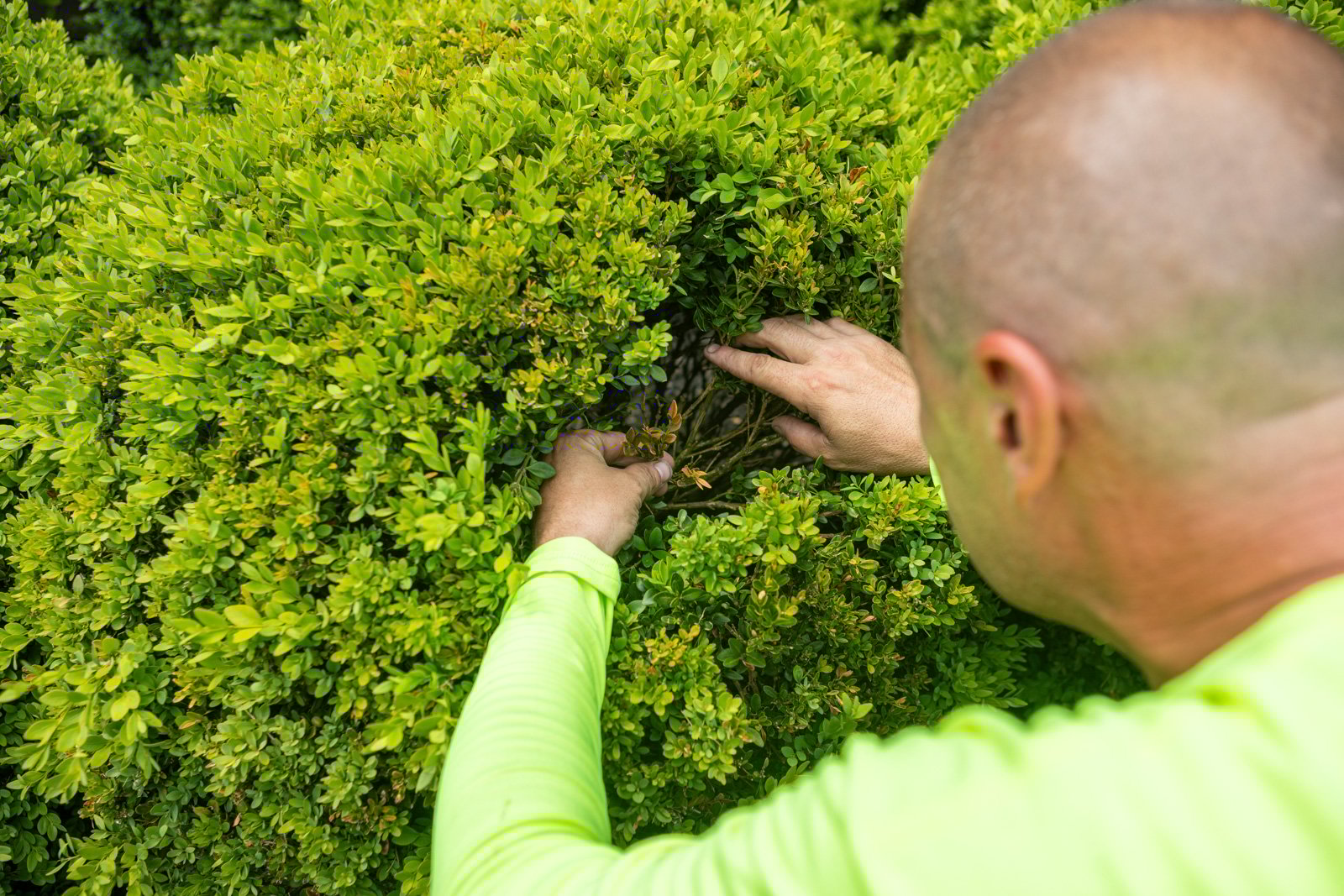
Identifying the signs that your plants need a specialist is the first step in getting them the help they need. While not an exhaustive list, the following are the most common red flags that should put plant health or pest problems on your radar:
Browning or yellowing leaves (outside of seasonal changes)
Premature leaf drop
Unusual lesions on foliage
Cracking, oozing, or peeling bark
Fine webbing or tiny holes in bark
Sticky residue or visible egg masses on foliage
Multiple symptoms or rapid health decline despite regular maintenance
Recognizing the common signs of plant health problems is important and can prevent those underlying issues from worsening and getting out of control. Equally as important, however, is knowing and noticing the plant health problems that are most often missed or misidentified.
Nutrient deficiencies are frequently mistaken for drought stress or disease. In our area, the culprit is often Rochester's clay soils, which can deprive plants of iron and nitrogen.
Scale insects are often mistaken for bark thanks to their camouflage and texture. Failing to notice and recognize these pests allows them to propagate and continue to harm your plants unchecked.
Other issues, such as certain fungal diseases (apple scab and powdery mildew are common examples) and emerald ash borer damage, are frequently misdiagnosed as general environmental stress or decline. When not caught early, conditions and pests such as these can progress and cause significant and irreversible damage.
When a general decline is noted, action is taken to correct the problem and restore the plant to good health. However, the treatment that is used is based on the diagnosis of the issue the plant is facing, and when that diagnosis is wrong, the applied treatment is sure to be ineffective.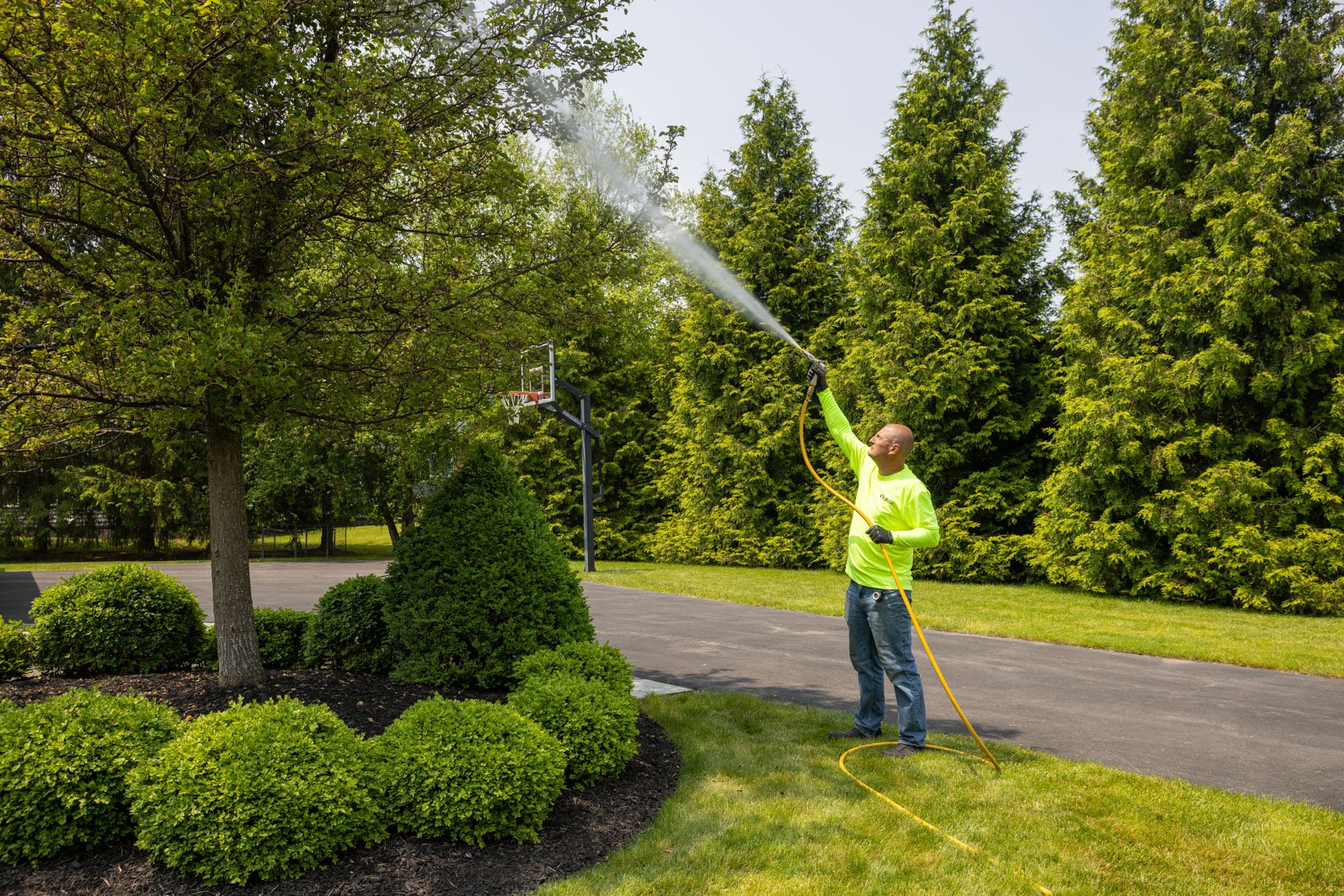
In other words, the underlying plant health issue must be accurately identified before the appropriate solution can be implemented. Without the right diagnosis, the actual problem will persist and progress. The result is a further deterioration of plant health because the underlying issue is never addressed.
Worse, a misdiagnosis can actually compound the damage done. What may be a solvable problem can quickly develop into a permanent loss. Correctly identifying the root cause of a plant health problem the first time is absolutely essential.
This is why, when you notice a potential problem, you should contact and work with a plant health specialist. The sooner an accurate evaluation and diagnosis are made, the better the odds of a full recovery.
If you notice a warning sign of an underlying plant health concern and reach out to a plant health care technician, you can expect their visit to take a relatively consistent approach to evaluating your landscape and formulating a plan of action.
First, the plant health specialist will visually examine every aspect of the plants in question. They will assess the bark, branch structure, foliage, and root zone to identify areas of concern, including signs of stress or an infestation.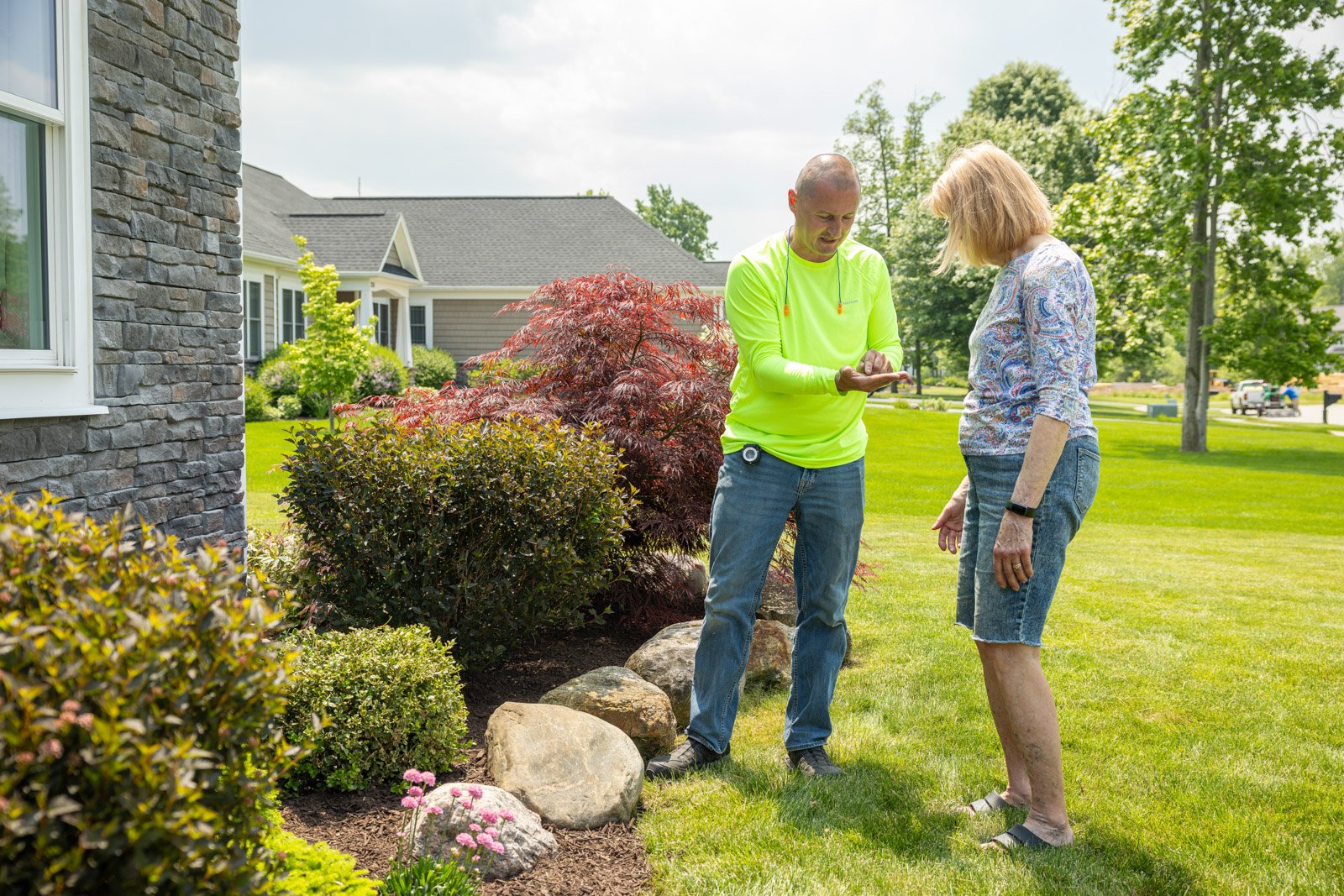
With those findings in hand, they'll walk you through the available treatment options. Once you approve a plan, they'll either apply the initial treatment on the spot or schedule follow-up visits. For more serious concerns, a multi-stage approach of treatment and monitoring may need to be planned and scheduled.
Keeping your plants healthy delivers benefits that go well beyond curb appeal. Early intervention from a shrub or tree health specialist is significantly less expensive than managing advanced cases of plant deterioration, removing dead plants (especially trees), and replacing them with new ones.
Beyond the financial savings, early treatment from a plant health care specialist also preserves the mature, established growth that took years of hard work and investment to achieve — something that simply cannot be replicated quickly or affordably.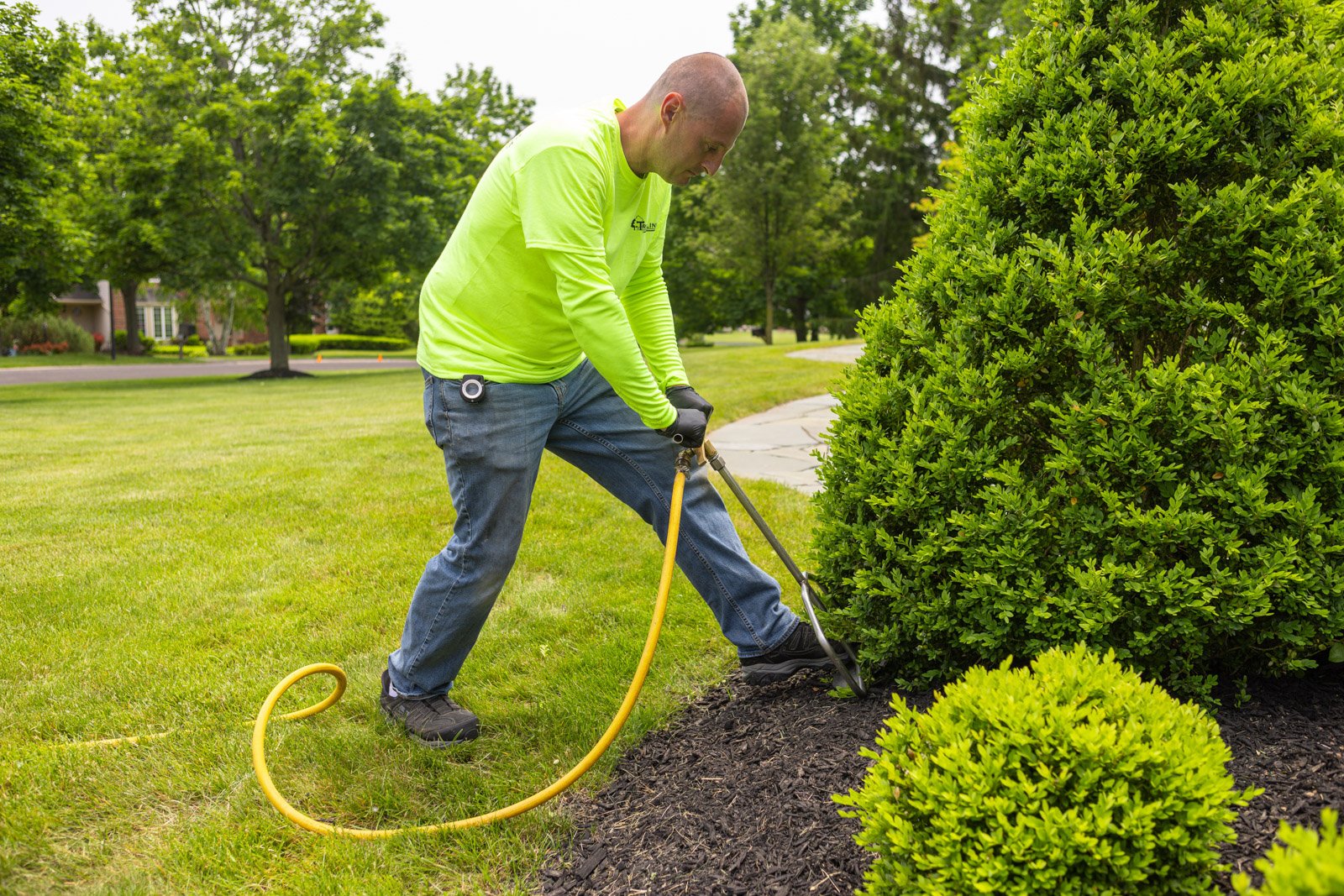
Simply put, plant health care in Rochester, NY, Monroe County, and surrounding communities is worth the investment. If you want to preserve your landscape, protect your curb appeal, and avoid potential financial stress, it is best to prioritize regular maintenance and, when necessary, plant health care services.
Trimline provides everything your home needs to reach its full potential. From the lawn care to plant disease control, our team of experts is ready to help you achieve your dream landscape and keep it for years to come. Fill out our form today to get your free quote for plant health care.
