
- Lawn Care
6 min read
What Is Moss Control? A Local Guide to Fixing Your Mossy Monroe County Lawn
Moss – we’ve all seen it before. And if you’ve ever stepped outside in the early spring and noticed soft, spongy green p...
Moss – we’ve all seen it before. And if you’ve ever stepped outside in the early spring and noticed soft, spongy green patches taking over parts of your lawn, you probably know exactly what you’re looking at.
The real issue with moss? Figuring out whether it’s actually a problem for your lawn.
Moss is an incredibly common occurrence in lawns across Rochester and Monroe County, but is it really that big of a deal?
Over the years, we’ve noticed questions about moss are on the rise. Is moss actually bad? Is it killing my grass? Do I need to get rid of it for good?
While every lawn is different, we typically give the same answer: moss isn’t the real problem - it’s a symptom of an underlying issue with your lawn.
And until you understand why moss is taking over your yard, it’s an almost impossible problem to fix in the long term.
In this blog, let’s talk about moss. We’ll break down why lawn moss is a symptom, not a diagnosis, and explain how it impacts the health of your lawn.
Jump to:
What is Lawn Moss?
Why is Moss So Common in Rochester?
Is Moss A Weed?
How to Get Rid of Lawn Moss
How to Prevent Moss in Your Lawn
Common Lawn Moss Misconceptions
Partnering with Trimline for Lawn Moss Control
We probably don’t need to tell you what moss is, but for the sake of keeping us all on the same page, let’s do a quick, 101-style breakdown.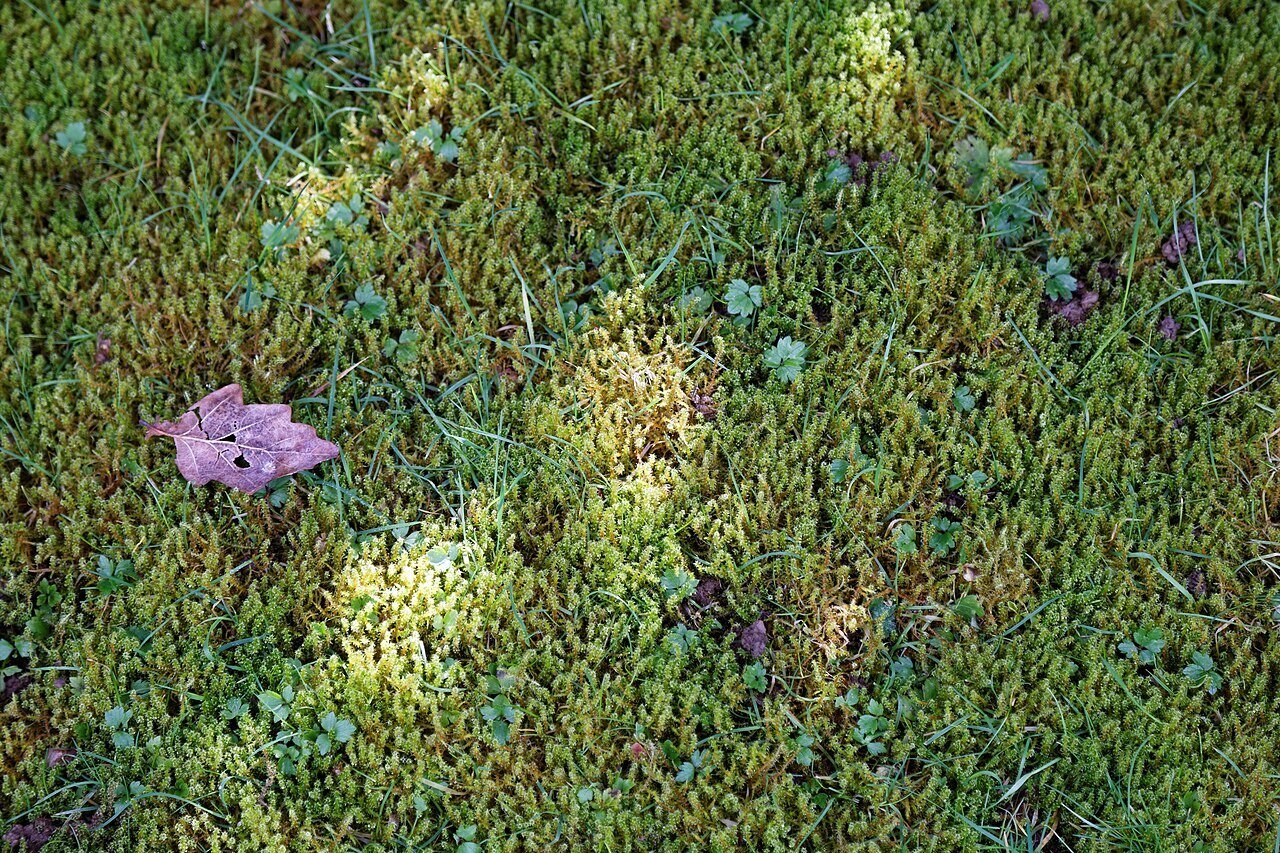 Moss is a small, non-flowering plant that thrives in environments where traditional turfgrass struggles.
Unlike your grass, moss is unique because it:
Doesn’t have a true root system
Absorbs water and nutrients from the air
Spreads across surfaces rather than growing upward
Because of this, moss is incredibly adaptable, especially in the kinds of conditions we see throughout our lawns in Monroe County.
You’ll most often find moss in shaded lawns, damp or low-lying areas, and older properties thick with mature tree cover.
Moss might often look like it's spreading or taking over areas, but what it’s really doing is filling in areas where grass can’t grow.
If you feel like you could throw a rock in any direction in Rochester and hit a patch of mossy grass, you’re pretty spot on. Our area of Western New York creates the perfect mini environment for moss growth due to our unique combination of factors:
Heavy, Moisture-Retaining Soils: Many lawns in Monroe County have clay-heavy soil, which drains slowly, holds moisture longer, and creates consistently damp conditions that are perfect for moss (but not so great for grass).
Mature Trees & Shade: We’ve got a lot of older neighborhoods throughout Rochester that are filled with large, established trees. They’re beautiful, of course, but they also block sunlight and reduce airflow to produce cooler, shaded environments – where moss thrives.
Long, Damp Spring Seasons: After months of snow, it’s common for lawns stay wet well into spring.
When you combine that with the tree canopies (limited sunlight) and cooler temperatures, you’re creating the perfect moss conditions.
Moss may look like a plague spreading, but it doesn’t appear randomly or spontaneously. Moss shows up and does its thing when the conditions are favorable for it instead of grass.
That means you’re probably dealing with moss if your lawn has:
Too Much Shade: Grass needs sunlight to survive and —most varieties require at least 4-6 hours of sunlight per day. If your lawn is under dense tree cover or shaded for a good chunk of the day, it’s possibly not getting enough light to support healthy grass. Moss, though, is going to love these conditions.
Poor Drainage: If water is pooling or sitting in your lawn (puddles or spongy ground), you’re likely going to deal with moss. Moss loves constantly damp soil, but grass does not.
Compacted Soil: Soil compaction is caused by lots of foot traffic, heavy equipment, and issues with freeze-thaw cycles. When soil is compacted, it restricts airflow and root growth. When that happens, grass can’t grow properly, so moss will do its part to fill the gaps.
Low Soil Fertility or Improper pH: We know grass is nutrient-dependent and needs the right stuff to grow. Moss doesn’t work that way. Moss can grow with very little resistance without proper nutrients. So if your soil is struggling with an imbalanced pH or lacks normal nutrients, your grass might not grow – but moss will.
Even if moss bothers you the way weeds might, moss is not a weed. This is the case because moss doesn’t compete aggressively with healthy turf, spread to kill strong established grass, or kill plants on its own like troublesome weeds do.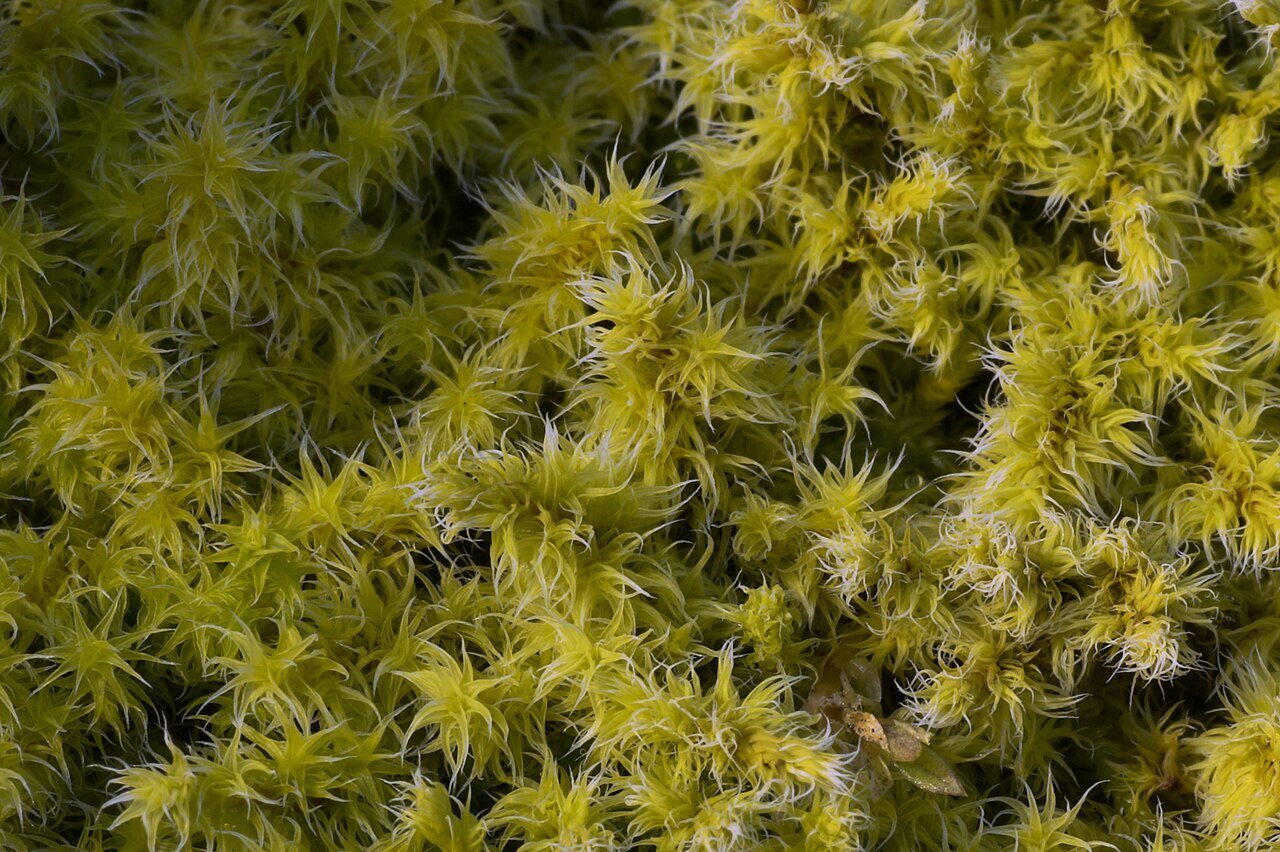
What it does do is grow unabashedly in areas with conditions that favor it.
Moss doesn’t kill grass, per se, but it can be bothersome for your lawn over time because it:
Basically, it can take up valuable real estate that can keep grass from growing – and keep your lawn from looking or functioning its best. So, while it’s not the direct cause of lawn death, it is still closely tied to the overall health of your lawn.
Moss isn’t killing off your grass, but it can be a bother – and if your goal is to get rid of moss permanently for the health and happiness of your own lawn, there’s one thing to understand:
You don’t fix moss by treating it – you fix it by improving your lawn’s health.
In other words, you fix the conditions that are causing the moss.
Aeration is one of the most important steps if you’re trying to fix your yard because it:
Improves airflow
Allows water and nutrients to reach roots
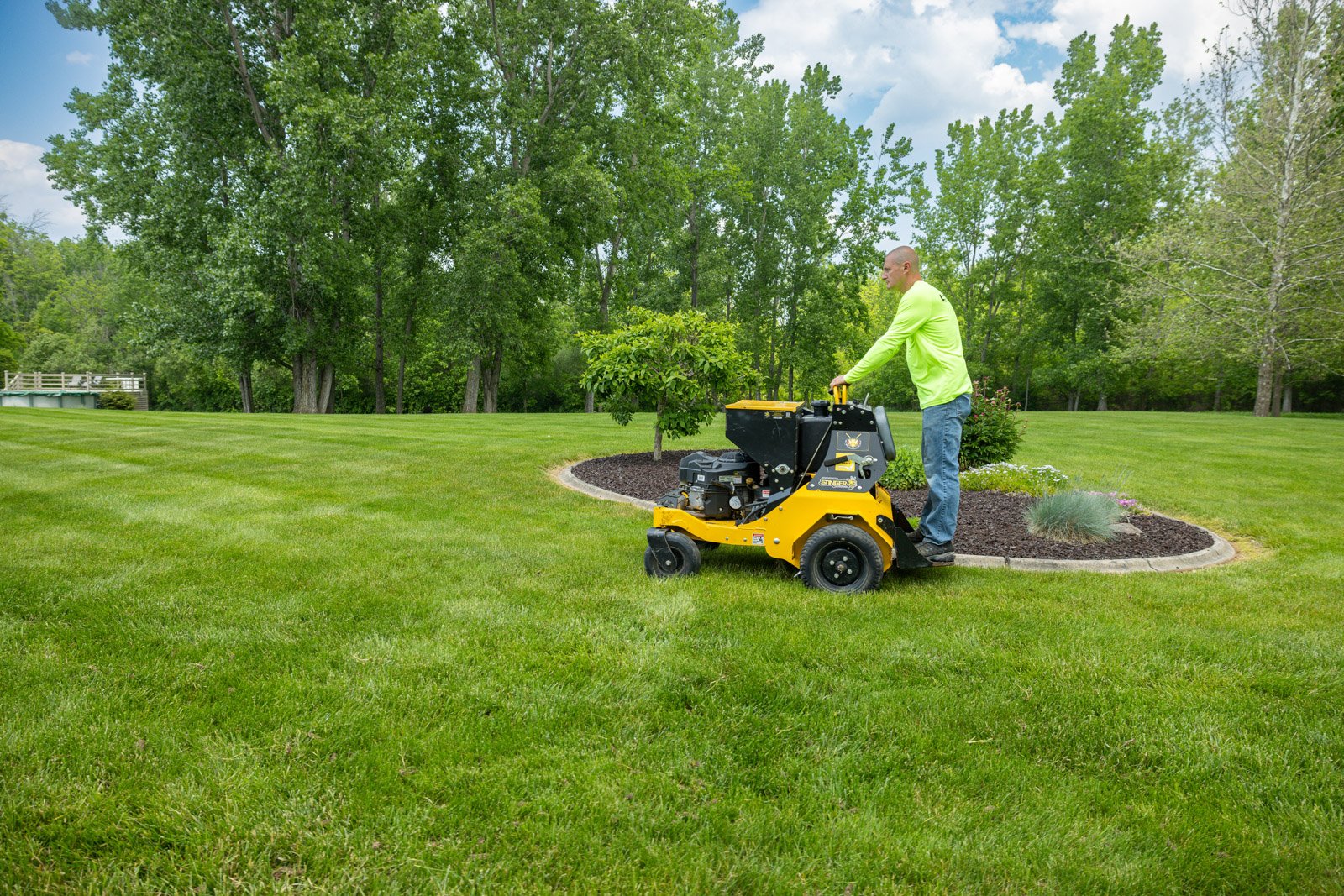
In Rochester lawns, this is usually the turning point between moss returning or disappearing.
Once you’ve improved the soil conditions, you need to reintroduce grass so it has an opportunity to take up space again.
Overseeding can help by thickening your lawn, filling in bare spots, and giving turf a chance to outcompete (and beat!) moss growth.
If water is pooling, you have squishy lawn areas, or there are constant puddles every time it rains, your lawn’s drainage needs to be addressed.
Every lawn and foundation is different, but this could include:
Leveling low spots
Improving soil structure
Adjusting grading
The better the drainage is in your lawn, the less moss-friendly the conditions you’re creating.
A soil test can reveal pH imbalances and nutrient deficiencies – that information can help you figure out which treatments (like fertilizer!) could help improve the health of your lawn. With the right nutrients and balanced pH, your grass has a better chance of growing and competing with the moss.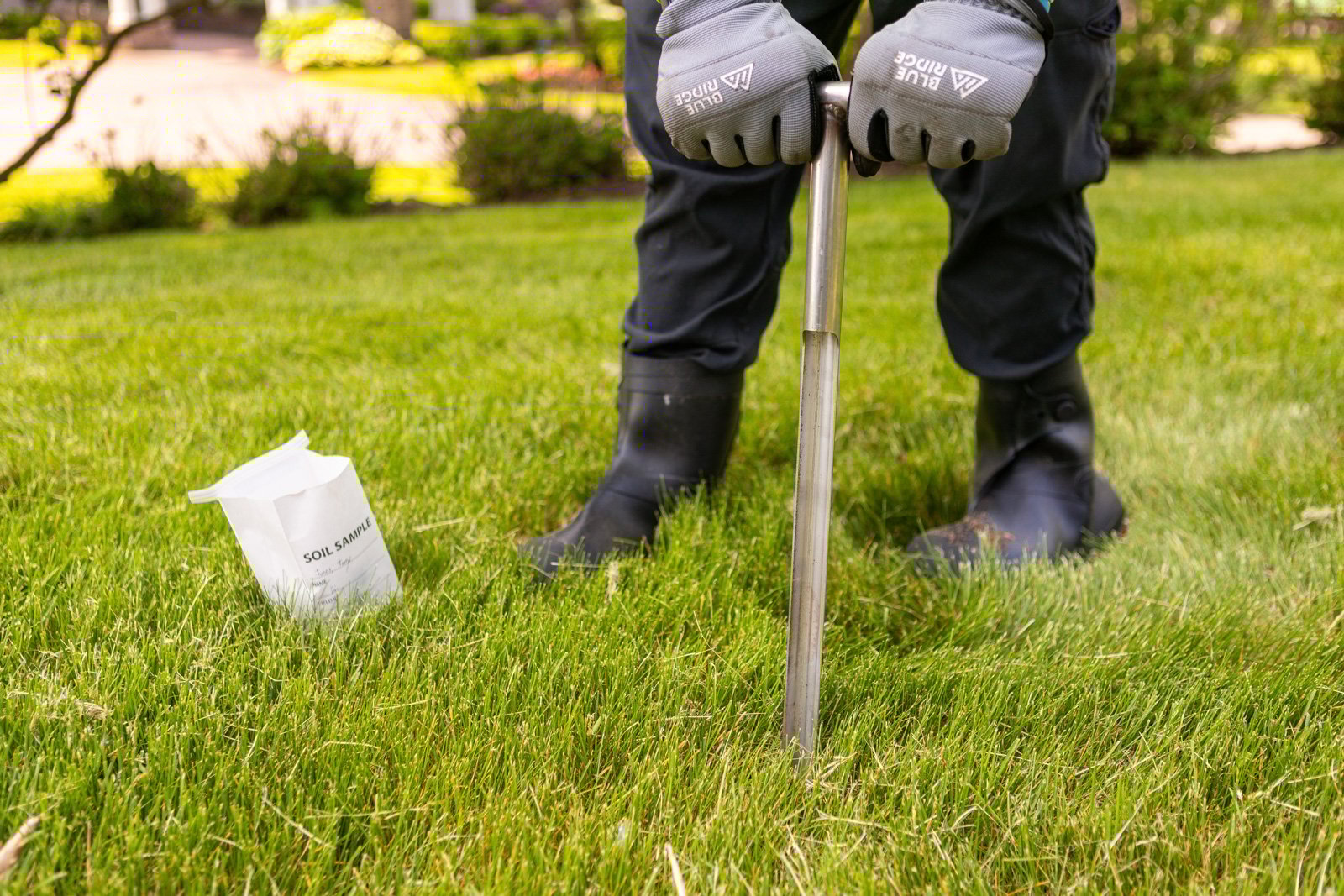
It’s possible you won’t need a targeted moss treatment if you address and correct the real issues, but sometimes, moss treatments are needed to kick things into gear.
The right moss treatments can:
But it’s important to realize that they’re not a standalone solution. If you opt for moss treatments but don’t address what might be causing the moss in the first place, it’s highly likely it’s going to return until you do.
You absolutely can nip the moss issue in the bud before it has its own takeover opportunity. The best way to do this is to care for your grass and lawn with a consistent, managed plan. Preventing moss truly comes down to maintaining conditions that favor grass instead of moss – and that includes treatments like:
Regular aeration
Proper fertilization
Managing shade where possible
Maintaining good drainage
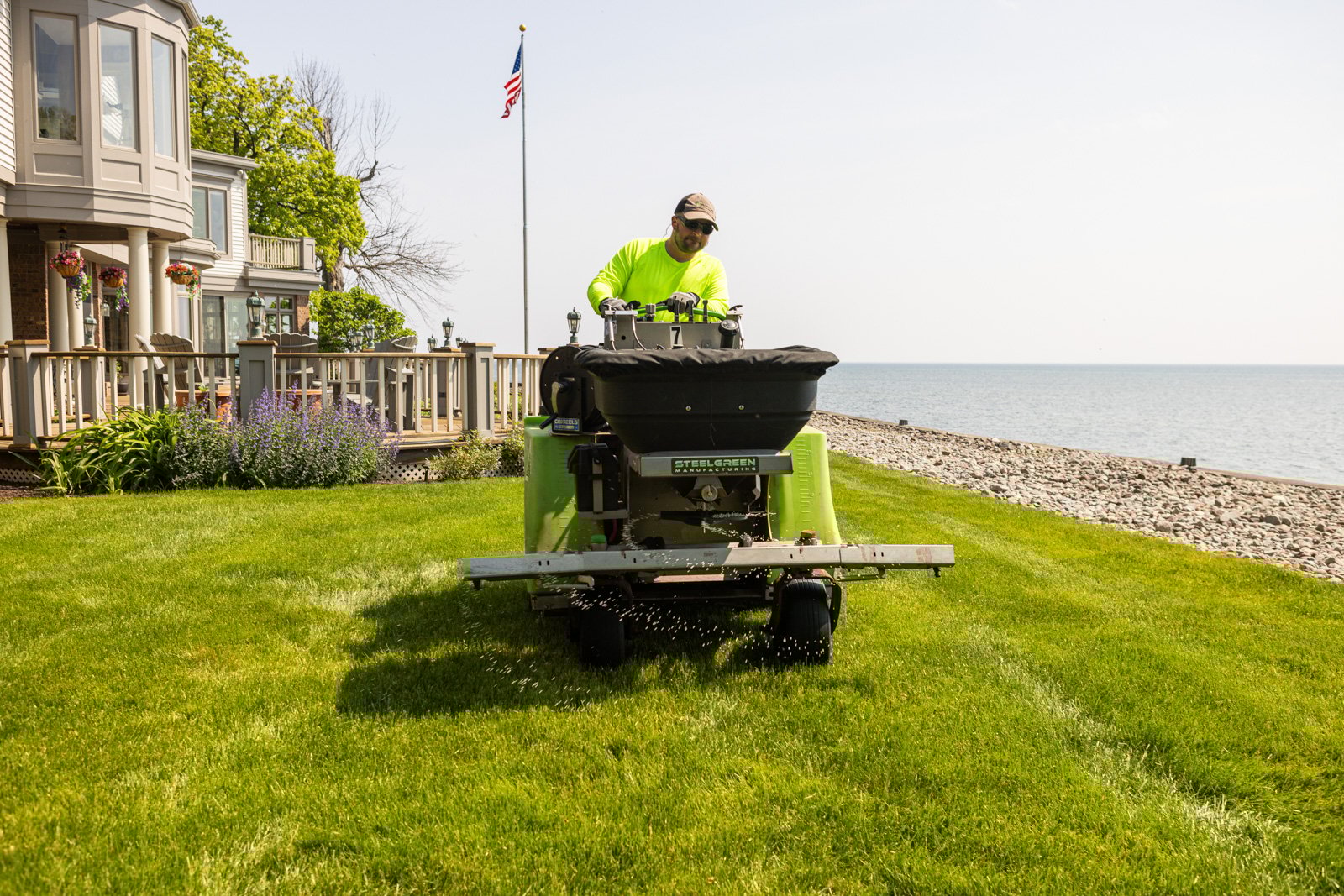 We’ve said it before, and we’ll say it again – a thick, healthy lawn is the best natural defense against moss.
Over the years, we’ve spoken with our clients about lawn moss – and we want to do our best to clear the air, bust myths, and dismantle some moss misconceptions. Here’s what we hear most often about lawn moss:
That’s not usually true. Moss only grows where grass is struggling – and your grass is struggling because it’s missing something. That doesn’t happen with a generally healthy lawn!
You might temporarily solve your moss problem, but it’s going to keep coming back if you don’t address the reason for moss growth. The only thing that keeps moss from returning is tackling the underlying issues leading to moss growth.
That’s not always true! Moss doesn’t kill your grass, but it does point to a simple fact – your lawn’s conditions are ideal for moss, which means they’re not ideal for turf.
Sometimes treatments and chemicals can help your moss problem – but only if the issue that caused the moss can be treated with chemicals. Let’s say that your biggest cause of moss is the constant pooling of water in your lawn. Sure, we could use chemicals to treat and kill the moss – but those chemicals didn’t address your poor drainage issues. So the moss will continue coming back – no matter how many chemicals we throw at it.
If moss keeps coming back year after year, it’s usually a sign your lawn needs a more comprehensive approach. Our professional lawn care program focuses on moss control through the lens of long-term lawn health.
Our consistent care is designed around:
Soil structure improvement
Nutrient balance
Turf density
Drainage management
This creates a healthy environment where grass has the chance to thrive (so moss can fade away).
Remember, moss isn’t the enemy – but it is a symptom that’s telling you something bigger is going on. If you’re looking for a partner who can help keep your lawn healthy and happy all year long (and even get rid of the lawn moss), fill out our free quote form to schedule a consultation.

Image Sources: moss in lawn, moss closeup