
- Lawn Care
7 min read
Your Spring Lawn Care Checklist for Rochester, NY: What to Do for a Healthier Lawn
Those first few weeks post-winter can leave your lawn looking a little rough (even if you properly prepared for the seas...
Those first few weeks post-winter can leave your lawn looking a little rough (even if you properly prepared for the season).
Between heavy snow cover, long stretches of cold, and near-constant freeze-thaw cycles our region is known for, it’s no surprise that lawns across Rochester and Monroe County take a beating every year.
By the time spring rolls around (whether it’s “fake spring” or actual spring), most homeowners are dealing with rough yards, compacted soil, thin turf, and weeds ready to creep in.
But your spring lawn care schedule can make all the difference for how your lawn emerges from winter. And further, it can set the tone of your lawn’s health and wellness for the rest of the year.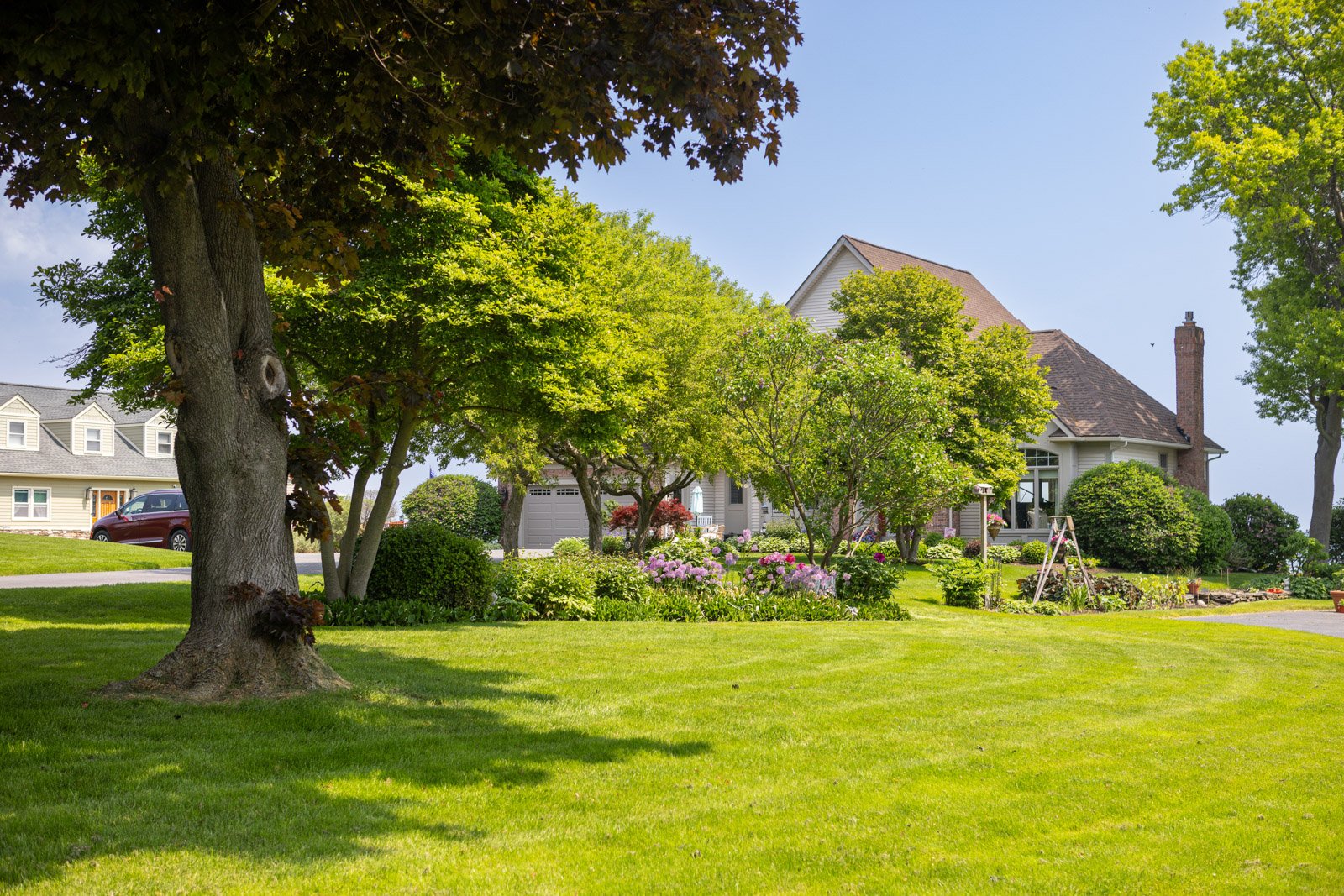
That’s why we’re sharing our go-to checklist, which we believe that homeowners should follow every spring so that, over time, they can build a healthier, thicker, more resilient lawn that emerges beautifully and seamlessly each year.
Jump to:
Here's Why Spring Lawn Care Matters
Your Go-To Spring Lawn Care Checklist for Rochester
The Most Common Spring Lawn Care Mistakes
FAQs About Spring Lawn Care
Partnering with Trimline for Lawn Care in Western NY
Lawn care in Western New York is more complex than areas in warmer, milder climates. We deal with all the things that those lawns deal with – but on top of it, we also have to account for:
Long winters and heavy snow cover
Saturated soil in early spring
Frequent temperature swings
Compaction from freeze-thaw cycles
As your lawn comes out of dormancy with rising temperatures, it enters a state that is both highly vulnerable and highly responsive.
That means if you step in with the right care, you can encourage strong root growth, repair winter damage, prevent pesky crabgrass and weeds, and even build a denser turf that can prevent later issues.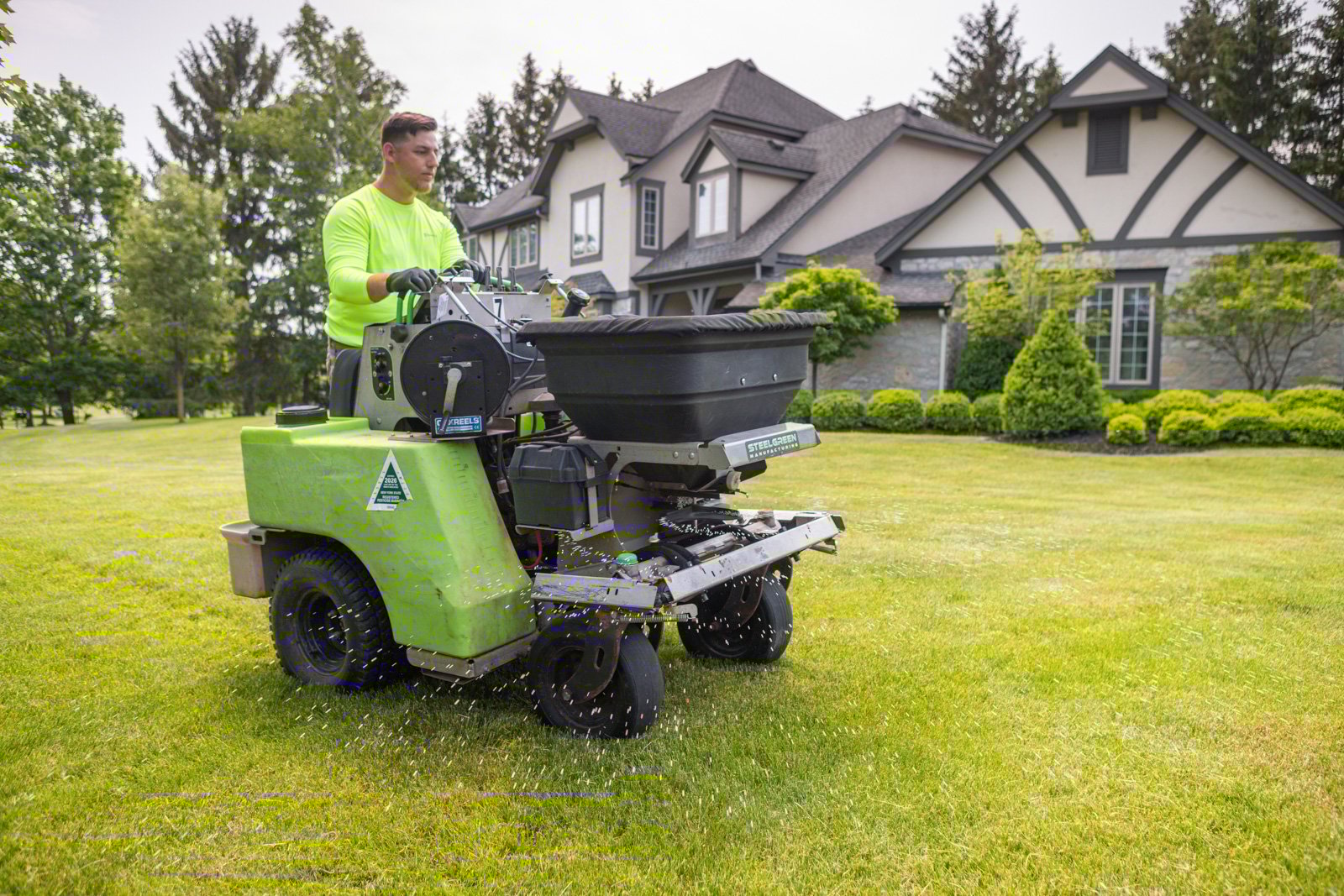
Timing is everything and if you act during this responsive window, you’re in a strong position. But that also means that if you miss the window, weeds can take over before your lawn ever has a chance to recover.
It can be tempting to jump right into all the treatments once the snow melts, but we always recommend basics first, treatments later.
When your snow melts, the priority is to let your lawn dry out and start your clean-up and analysis phase.
Clear away sticks, leaves, and leftover winter buildup that could be a problem later. When you clear your lawn, you let your yard dry out, allow sunlight and air to reach the soil, and encourage early growth during this part of the season.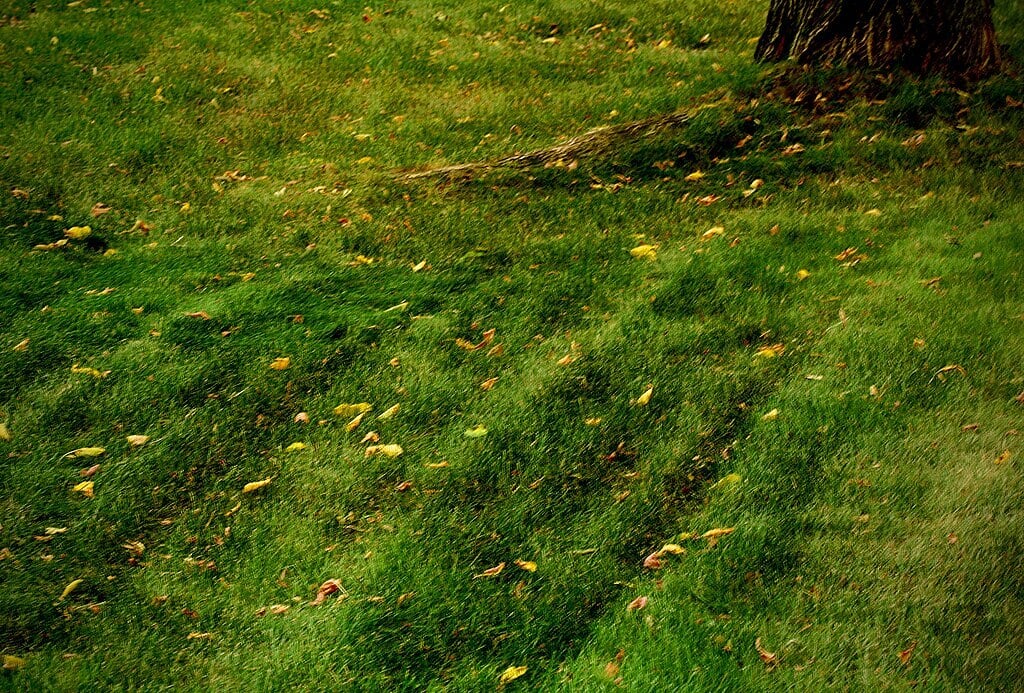
After cleaning up debris, it’s a great time to lightly rake your lawn to lift the matted grass and improve airflow down to the soil. Be cautious not to rake aggressively – too much elbow grease, and you can damage that fragile, just-emerging spring turf.
It's important to always avoid stepping all over your wet lawn. Walking on saturated soil can:
Causes compaction
Damages new grass growth
Limits root development
The best way to test if your lawn is walkable is to squat down and feel – is your lawn soft or spongy? If yes, give it time to dry out fully before you set foot on it.
It’s important to see what sort of damage the winter did to your beautiful lawn. Check all over for snow mold, thin or bare patches, and any areas that you think need overseeding later. If you prepped your lawn prior to winter, it's likely you will run into less of these issues. Take notes!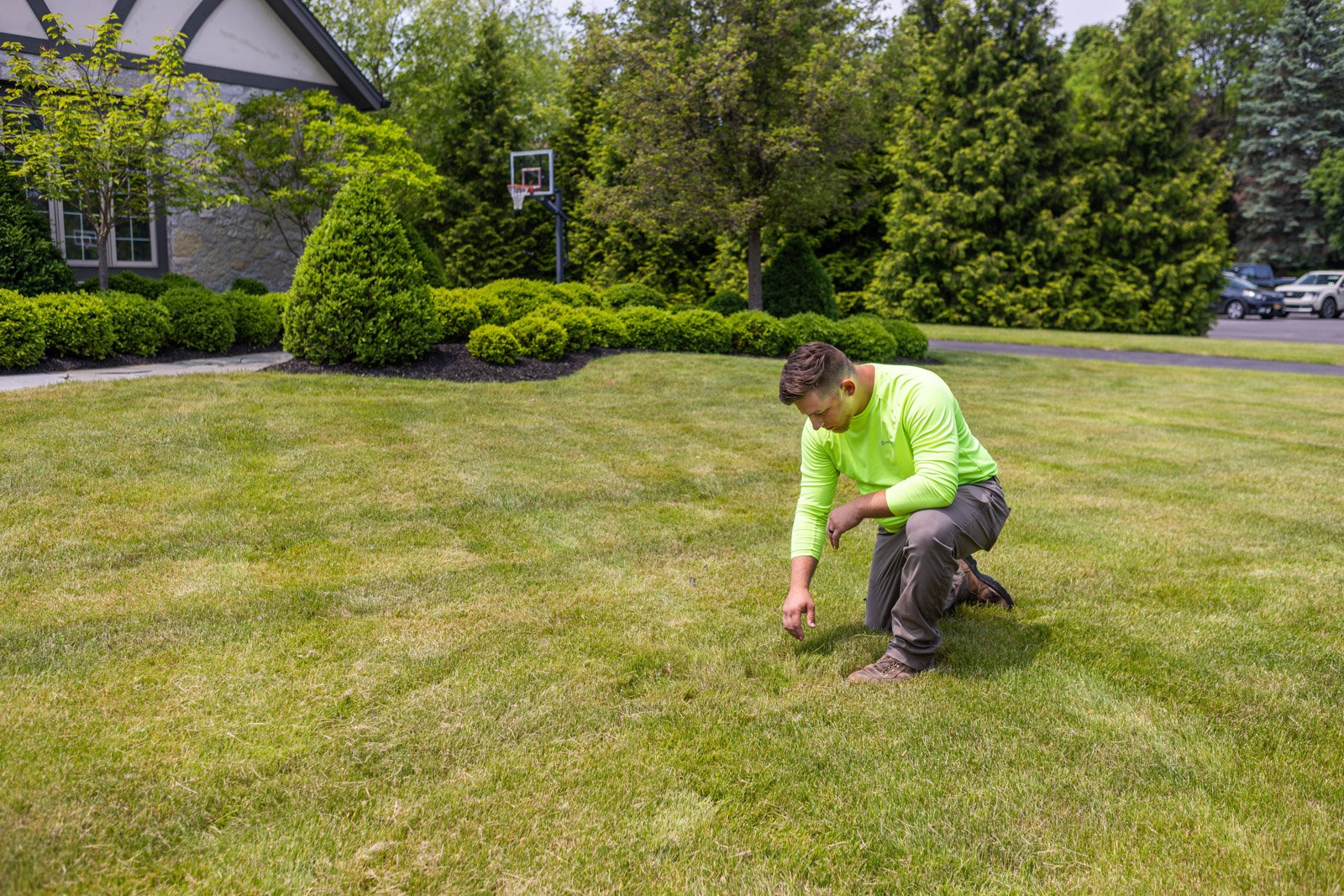
There’s no single step that can make or break your lawn, but if we had to put a ton of emphasis on any of these, we’d make sure you paid attention to phase one – pre-emergent weed control.
Pre-emergent weed control is what we use to keep weeds from forming – in other words, it prevents weeds like crabgrass from germinating in the first place.
The key challenge with pre-emergent weed control is that it’s all about timing – but you can’t always go by a calendar date. You’ve got to set your pre-emergent weed schedule based on soil temperature.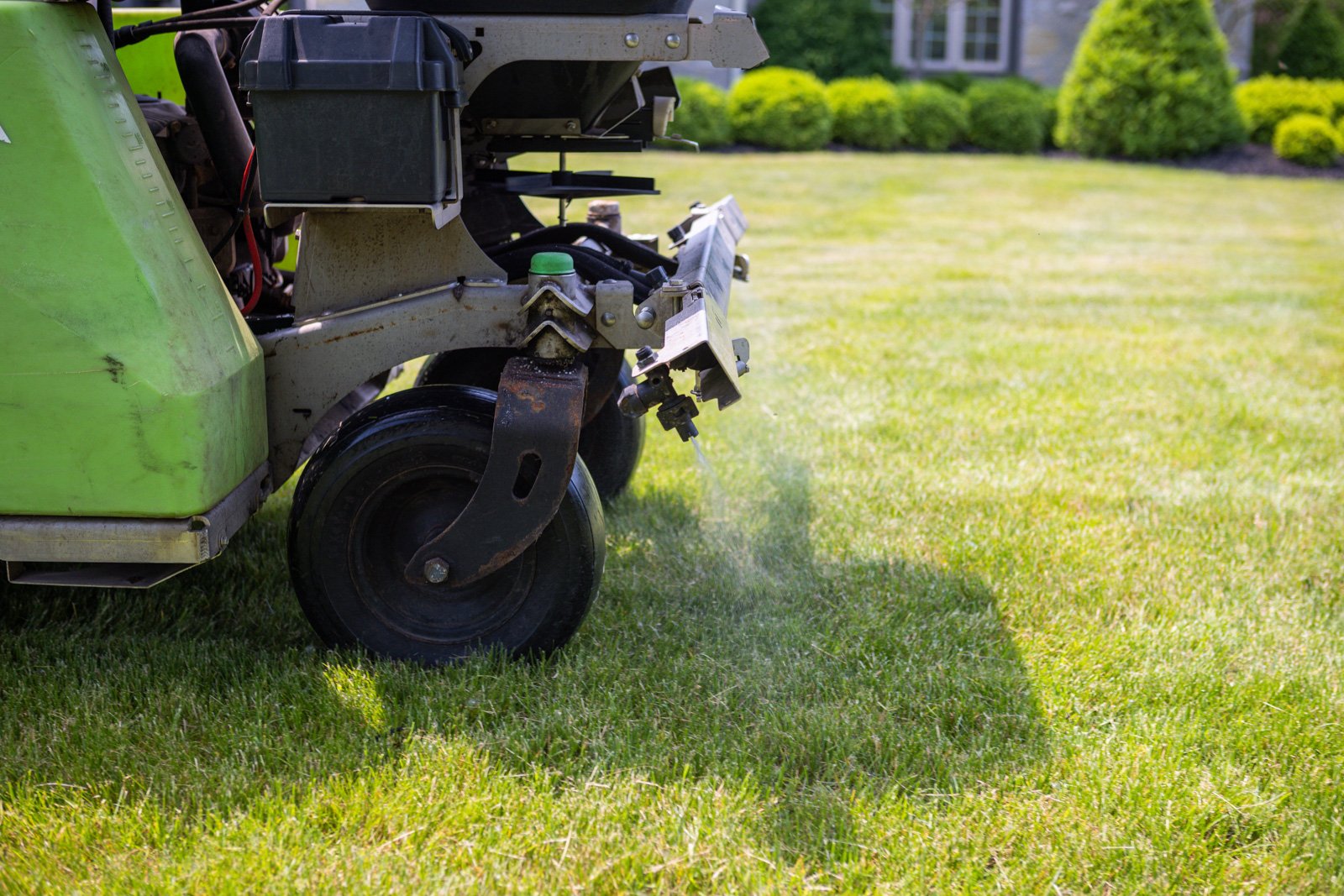
For us in Rochester, that usually means late April to early May.
It usually works best to team up with professionals who can pinpoint the exact right time to tackle pre-emergent weed treatments because it’s such a small window of time!
Apply too early? It wears off too soon. Apply too late? The weeds are already growing.
When we time our pre-emergent treatment at Trimline, we’re usually tackling it during a second visit. We make sure it’s the right soil temperature so we can tackle broadleaf weeds before they start emerging and before crabgrass has had a chance to germinate.
We usually opt for a liquid application that helps us accomplish a few tasks all at once:
Provides full, even coverage
Works immediately
Doesn’t require watering in
Reduces overall pesticide use
It’s not that you can’t handle these things on your own. Because timing is so precise, many homeowners rely on professional applications.
After months of dormancy and surviving under a thick blanket of snow (not to mention freeze-thaw cycles), your lawn is in desperate need of vital nutrients to bounce back in time for the warmer seasons.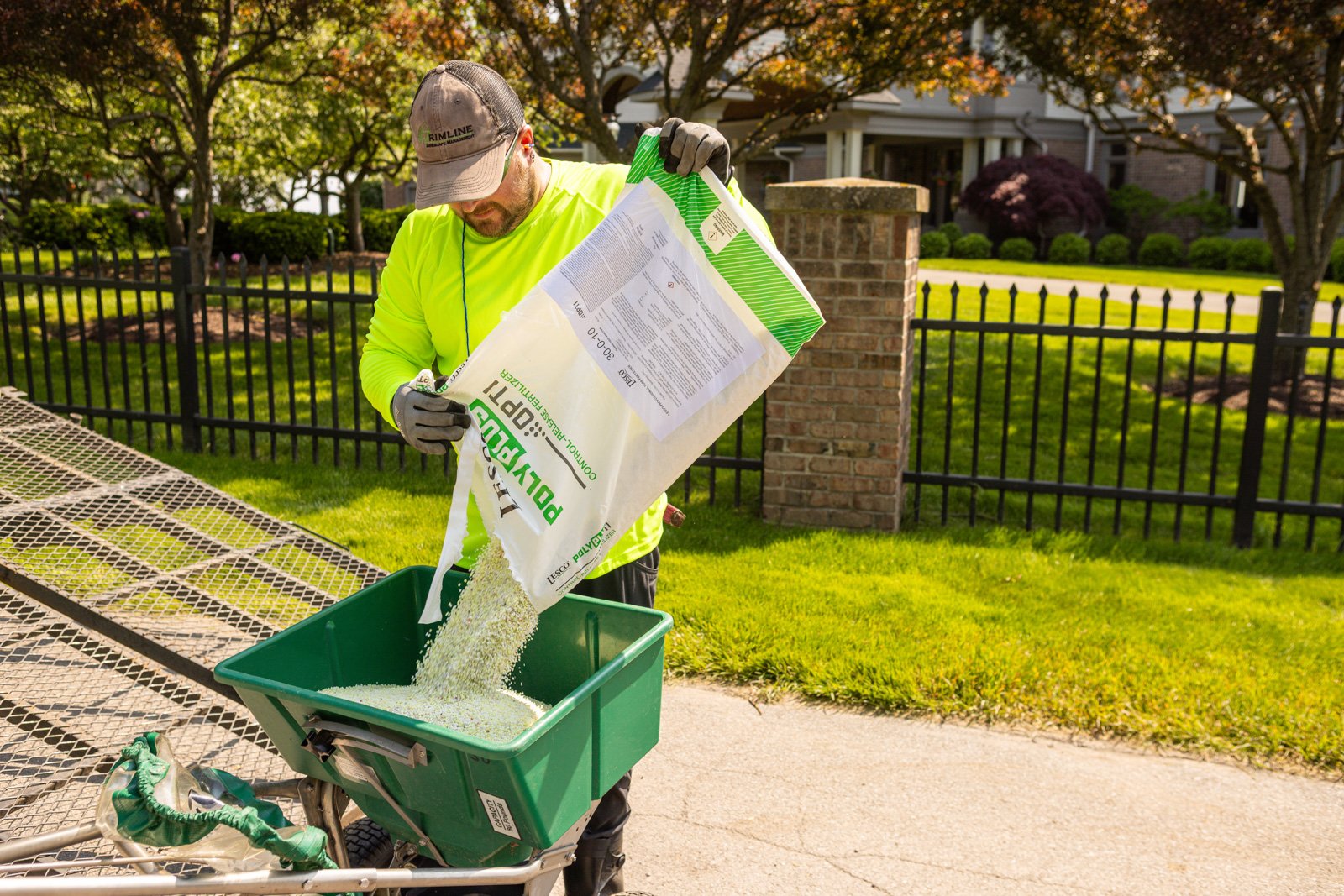
That’s why fertilization matters so much during the spring! When you time it right, you can support root development, help turf compete with potential weeds, and encourage your lawn to produce thick, green growth.
Single-treatment fertilizer products and services can help your lawn – but possibly only temporarily. The biggest difference in your yard happens when you have a custom fertilizer program that’s consistent throughout the spring.
The right program from a qualified professional can help sustain your lawn through the season, balance nutrients, and even be adjusted to meet differing needs based on weather and soil conditions.
Mowing is definitely one of those lawn care elements that homeowners feel they can tackle on their own. And in most cases, this is absolutely true! But in the spring, proper mowing practices can make or break your lawn’s overall health and appearance.
Knowing when to start mowing can be complicated. A lot of homeowners are eager to start mowing as soon as the snow melts off their yard, but that’s not always the right time to get to chopping.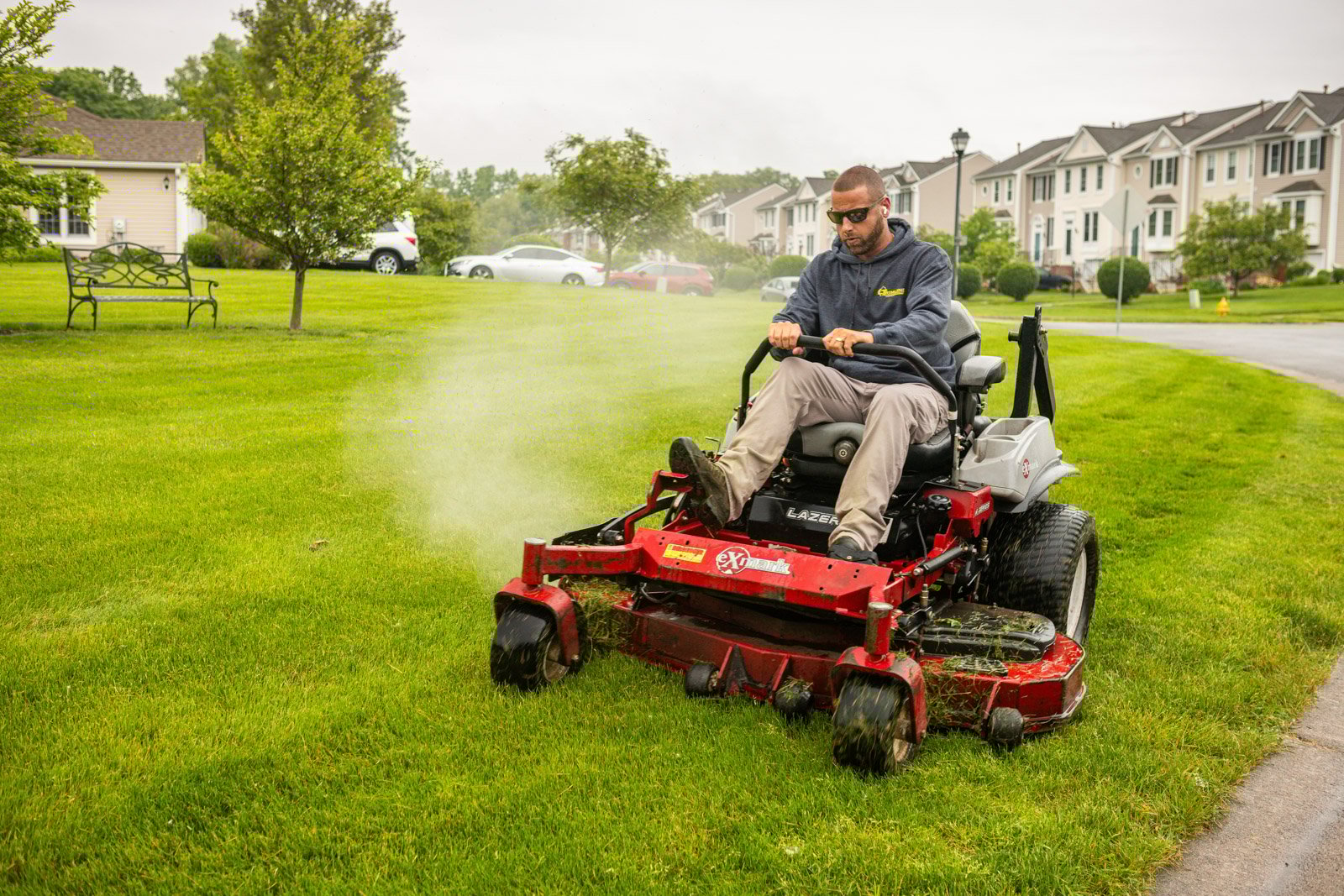
It’s important to start mowing when:
Your lawn has completely dried out
Your soil is no longer overly saturated
Your grass is actively growing (and has exited its dormant stage)
Mowing the right way matters, too. Depending on the type of grass you have, you may have to adjust what you know about mowing to suit its needs best. In general, we suggest rules like:
Never cut more than ⅓ of the grass height
Keep blades sharp
Avoid mowing when the lawn is wet
Avoid mowing too short (it can weaken the grass, expose soil, and make space for weeds)
A lot of lawn problems start in the spring - not the harsh, dry summer months like most people think. In a lot of cases, we can look at a homeowner’s yard in the summer, see their issues, and point to a problem that took place much earlier in the year during springtime.
A few of the most common mistakes we see include:
Apply pre-emergent weed treatment too late: Once crabgrass germinates, it’s too late to stop it preventatively.
Mowing grass too short: the shorter your grass, the easier it is for weeds to weasel in, for soil to be exposed, and for your lawn to be stressed by external conditions
Wet lawn walking: Remember how we said a wet and squishy lawn should never be trampled on? We meant it! Walking on a wet lawn can compact the soil and lead to bigger problems later in the year.
Ignoring soil health: choosing to ignore your soil means that nutrients won’t absorb properly, your roots will struggle to grow, and your turf is bound to become patchy and weak.
Relying on low-quality products: cheap treatments and fertilizers usually wear off quickly, provide uneven results, and create a need for more frequent applications.
We always recommend kicking off spring lawn care as soon as the lawn dries out and temperatures begin consistently rising – that’s typically early to mid-spring.
There’s no one-size-fits-all answer, and it will largely depend on your soil condition, winter damage, and your lawn goals. Usually, fall is generally better for core aeration, but spring aeration can certainly help if your soil is heavily compacted.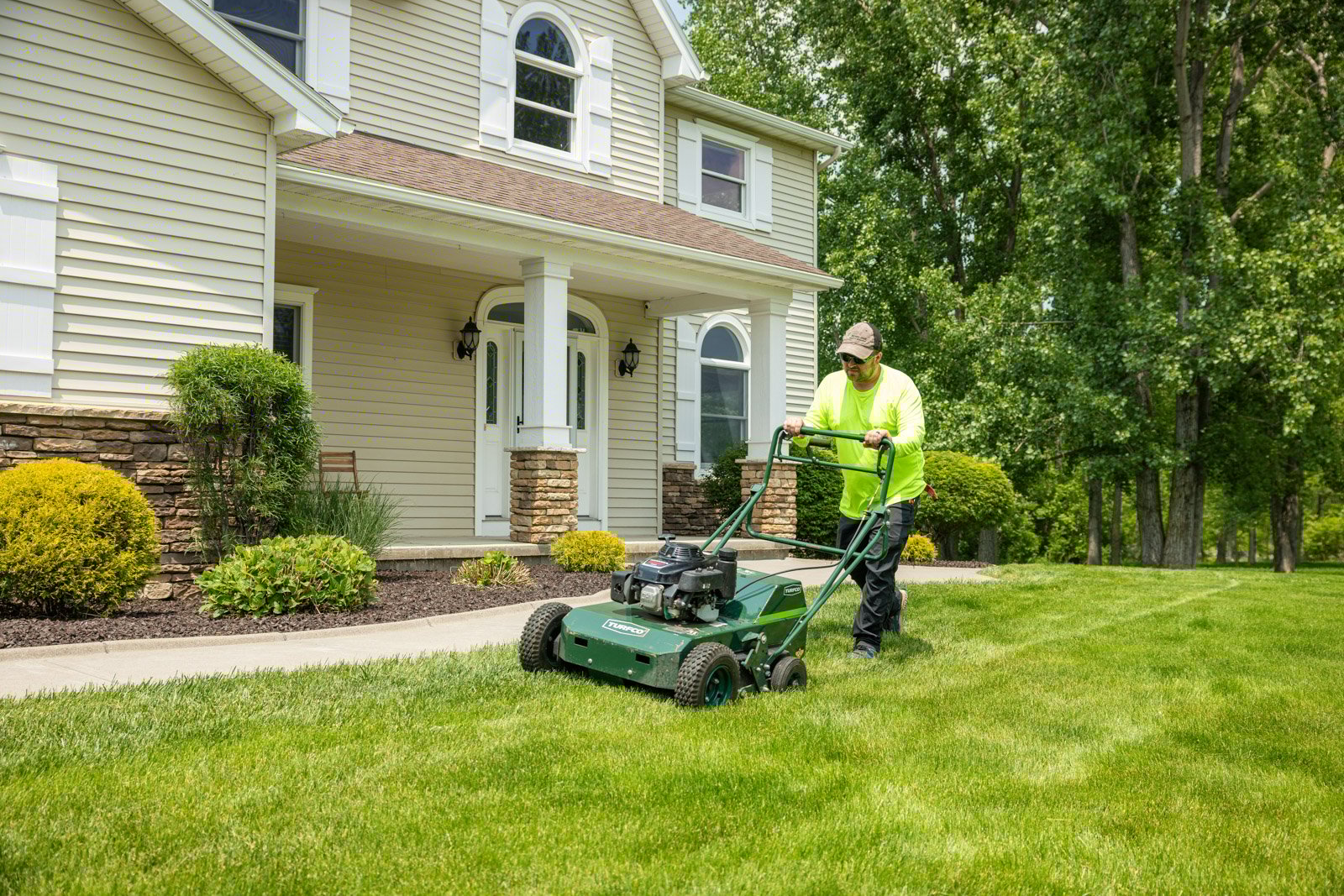
Every step we’ve already talked about is so important, but if you only tackled one thing, we’d vote for properly timed pre-emergent weed control. We consider this one of the most critical steps for setting your lawn up for success for the rest of the year.
You technically can – but a single treatment isn’t going to yield the long-term results you’re probably after. We always tell our clients that healthy, happy lawns require consistent care throughout the season!
We may be biased, but if you’re having tough lawn struggles, we believe our lawn care program could be the answer.
Our team knows that a healthy, thriving lawn isn’t built over a treatment or two; it’s recovered and maintained by consistent care that focuses on proper timing, regular treatments, and a deep understanding of local conditions. 
We’ve created a structured, seasonal program designed specifically for Western New York lawns because we know what works, what doesn’t, and when treatments matter most. Our approach includes:
Early spring fertilization
Pre-emergent weed control
Broadleaf weed treatments
Soil health support
Ongoing monitoring and adjustments
The main goal with our lawn care program is to focus on preventing issues rather than just reacting to them. We want to be proactive with our care of your lawn.
In Rochester, spring is your opportunity window to set your lawn (and your summer months) up for major success. If you get your spring lawn care right, your yard can thrive all season. But if you miss it, you could spend all summer playing catch-up until fall repair time.
The difference usually comes down to timing, consistency, and understanding how lawns in this region actually behave. If you’re ready to skip the DIY lawn care trial and error and want a local expert who understands your lawn, we can help! Fill out our free quote form to learn more about our healthy lawn care programs.

Image Sources: leaves in lawn