If you’ve ever looked out at your lawn in late spring and wondered how weeds seemed to appear overnight, know this – you’re not alone.
Your grass can look green, clean, and uniform one week, and then, in just a few days, the dandelions, clover, and creeping ground ivy seem to take over.
It feels like it happens fast despite regular care. So what can be done? Moments like this are when homeowners begin searching for answers about pre-emergent and post-emergent weed management.
And if you're new to this debate (the age-old pre vs post weed control debate, that is), you might be wondering what the difference is, if you need both types for weed control, and if you should give either (or both) a try.
The good news? This blog is here to give you the answers you seek – and provide helpful guidance you may not have even realized you needed yet.
It all starts with understanding the difference between these two treatment types – that knowledge is essential for effective seasonal weed control in Monroe County.
So, let’s break down how they each work, why timing matters so much in our unique region, and how they fit into a professional Rochester weed control program designed for long-term success.
Jump to:
What Is Pre-Emergent Weed Control?
What Is Post-Emergent Weed Control?
Pre-Emergent vs. Post-Emergent: Key Differences
Why Timing Matters in Monroe County
What Weeds Do These Treatments Target?
How They Work Together in a Year-Round Program
Trimline’s Seasonal Weed Control Program
Frequently Asked Questions
Partnering with Trimline for Lawn Care
What Is Pre-Emergent Weed Control?
First things first – let’s start with the question we hear most often: What is pre-emergent weed control? Great question, we're happy to dive in.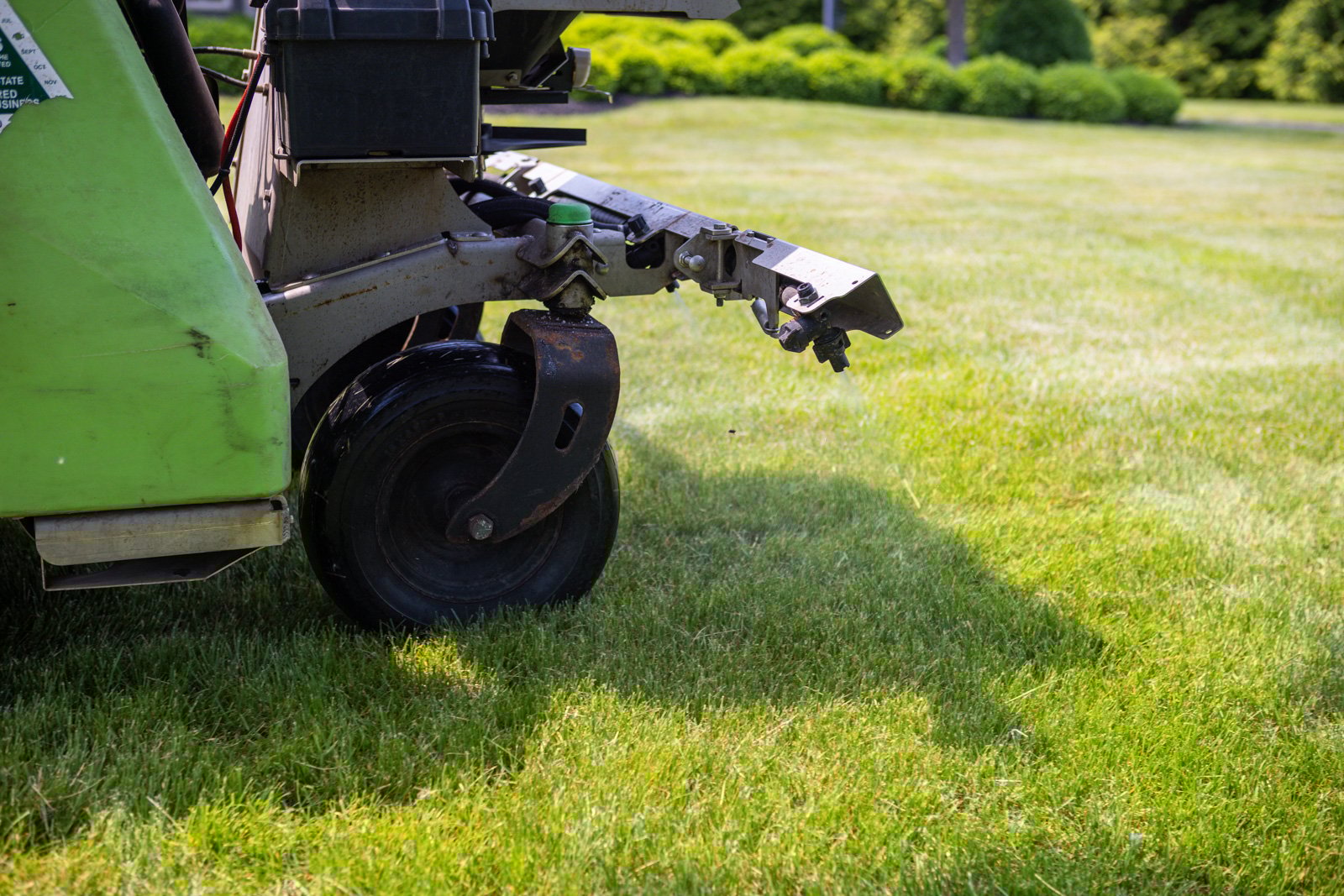
Pre-emergent weed control is a preventative treatment designed to stop weeds before they germinate. Pre-emergent is, as the name suggests, a proactive approach that addresses weeds before they appear. You don't want to wait for the weeds to pop up before taking care of them. Post-emergent weed control is applied after you've seen the weeds – you notice them, you spray, you tackle them.
At Trimline, our pre-emergent program specifically targets crabgrass – one of the most persistent and frustrating lawn weeds in Rochester.
A pre-emergent application creates a protective barrier in the soil so that when crabgrass seeds begin to germinate, that barrier prevents them from developing roots.
Without roots, the weed cannot establish itself. Without roots, the weed cannot establish itself - meaning it won’t appear in your yard.
It’s important to understand one key detail, though: Pre-emergent treatment does not kill existing weeds. Instead, it prevents new weeds from growing.
As we often explain to homeowners, pre-emergent is about prevention. It’s one of the most effective long-term tools for controlling crabgrass, but it only works if it’s applied before germination begins.
If crabgrass has already sprouted, pre-emergent will not eliminate it. That’s where post-emergent treatments come in.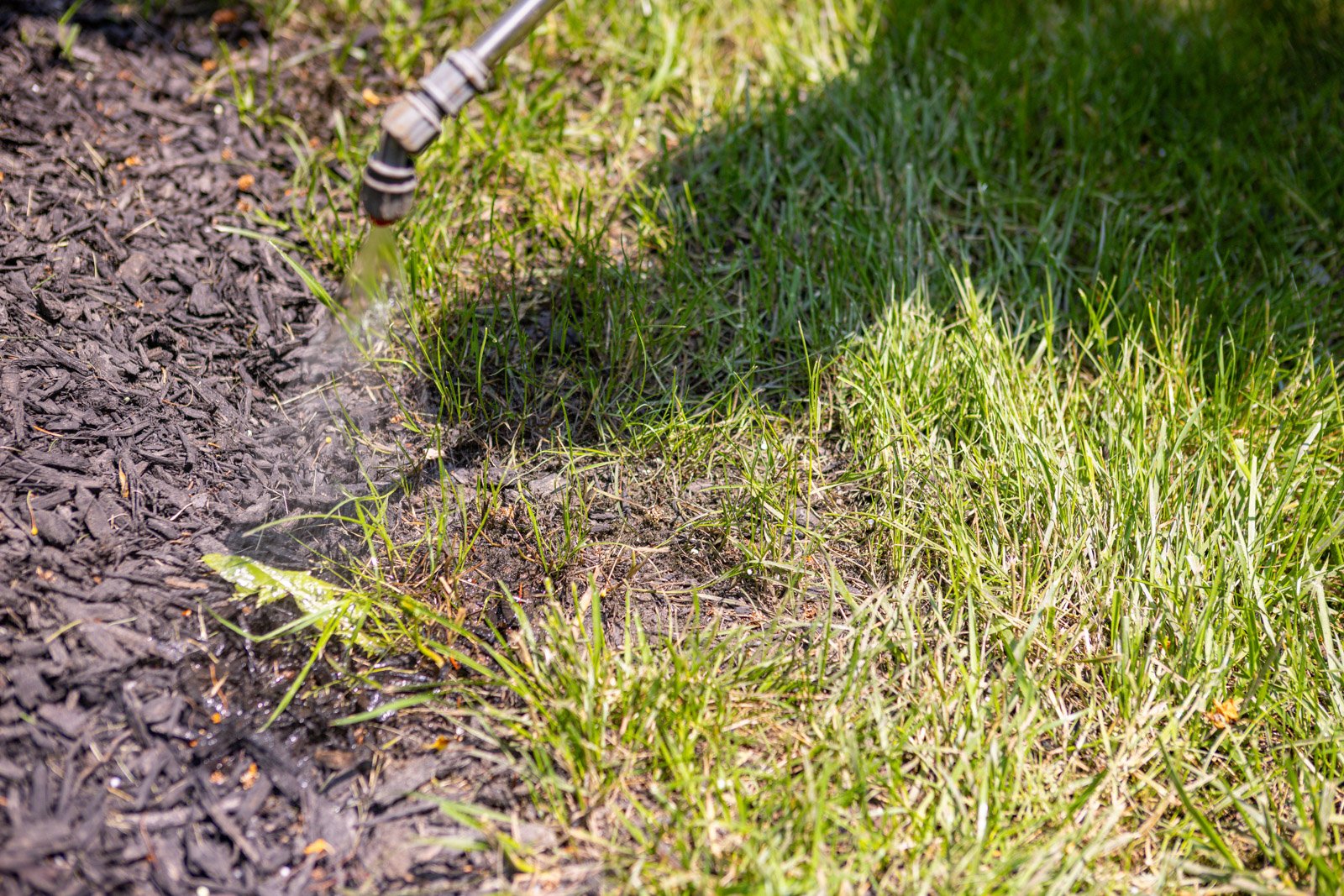
What Is Post-Emergent Weed Control?
Though we briefly mentioned this a moment ago, post-emergent weed control targets weeds that are already visible and actively growing.
Unlike pre-emergent treatments, post-emergents are corrective. They work by eliminating weeds that have broken through the turf.
In Monroe County, post-emergent applications commonly target:
These broadleaf weeds compete with healthy grass for nutrients, water, and sunlight and can spread quickly if left untreated.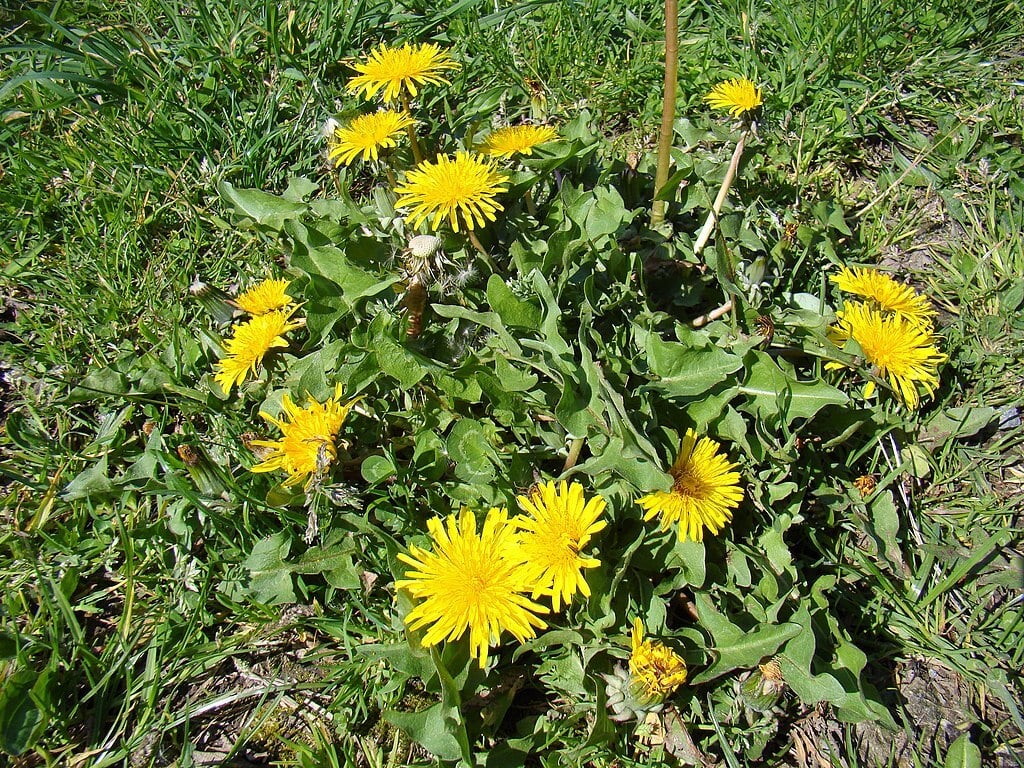
Post-emergents are usually applied in late spring and summer once the weeds are actively growing and easy to identify. While it's a highly effective treatment for eliminating your existing weeds, post-emergent treatments do not prevent new weeds from sprouting.
See what we're getting at here? Pre-emergent won't tackle the weeds that have already slipped through the cracks, and post-emergent won't prevent new ones from forming. That’s why relying on only one type of application often leads to frustration.
Pre-Emergent vs. Post-Emergent: What’s the Real Difference?
Understanding pre-emergent vs. post-emergent comes down to one core concept: Pre-emergent prevents weeds while post-emergent corrects weeds.
Here’s a quick review of what we’ve discussed:
-
Pre-emergent treatments are applied before weeds sprout, they create a soil barrier, they prevent crabgrass germination, and act as a preventative.
-
Post-emergent treatments are applied after weeds are visible; they target active weeds, eliminate existing broadleaf weeds, and act as a correction.
The dilemma? If you skip pre-emergent in spring, you may find yourself battling crabgrass all summer long. If you skip post-emergent treatments, visible weeds can spread and dominate your turf.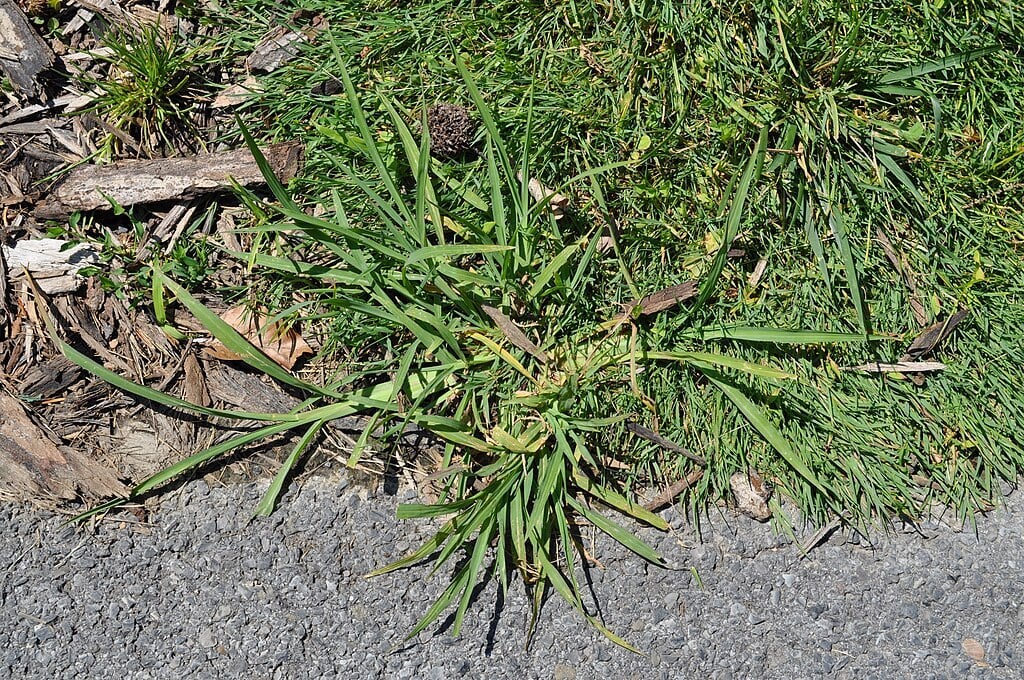
How Does Your Weed Control Affect Other Lawn Care Services?
The give-and-take between pre- and post-emergent weed control is another reason that spring is the ideal time for aeration and overseeding. If you choose to overseed in the spring, you will likely have to skip your crabgrass pre-emergent in order to allow the grass seed to germinate. This leaves you vulnerable to rampant crabgrass all season long. Overseeding in the fall gives you all season to reduce the weed population with pre-emergent and post-emergent treatments so your new seedlings have the best chance to germinate and grow.
Ultimately, both methods of weed control serve important roles in an effective Rochester weed control program, and it's typically our recommendation to include both in your weed control program.
Why Timing Is Critical for Weed Control in Monroe County
When it comes to lawn weed control, we need to stress that timing is everything, especially in our unique climate. If you're unsure about when to apply pre-emergent and post-emergent treatments, we recommend taking a peek at the next section and getting a feel for the perfect treatment timing.
When to Apply Pre-Emergent
In Monroe County, pre-emergents should be applied in early spring before crabgrass seeds begin to germinate. Once germination starts and roots begin forming, the opportunity is lost for that season.
This window can vary slightly depending on soil temperatures and seasonal weather patterns, which is why professional monitoring can make such a huge difference in getting the proper timing right.
Applying too early can weaken effectiveness, but applying too late means crabgrass may already be establishing itself, and you've missed your pre-emergent window.
When to Apply Post-Emergent
Post-emergents are typically applied in late spring and summer once weeds are visible and actively growing.
This ensures:
As we explain to many Rochester homeowners, pre-emergent has a small but critical window. Once crabgrass germinates, you’re playing catch-up with post-emergent treatments instead of preventing the problem.
Overall, seasonal weed control in Monroe County requires awareness of both soil temperature trends and weed growth cycles.
What Weeds Do These Treatments Target?
We want to stress that every lawn has its own unique struggles, so every treatment plan is different. But when it comes to weeds, here’s what we typically see and address in our region.
Pre-Emergent Focus: Crabgrass
Crabgrass is the primary target of pre-emergent weed control.
It thrives in thin turf, bare patches, compacted soil, and areas with heavy sun exposure. Once established, crabgrass spreads aggressively and can crowd out healthy turf. Preventing it before it emerges is far more effective than trying to eliminate mature plants.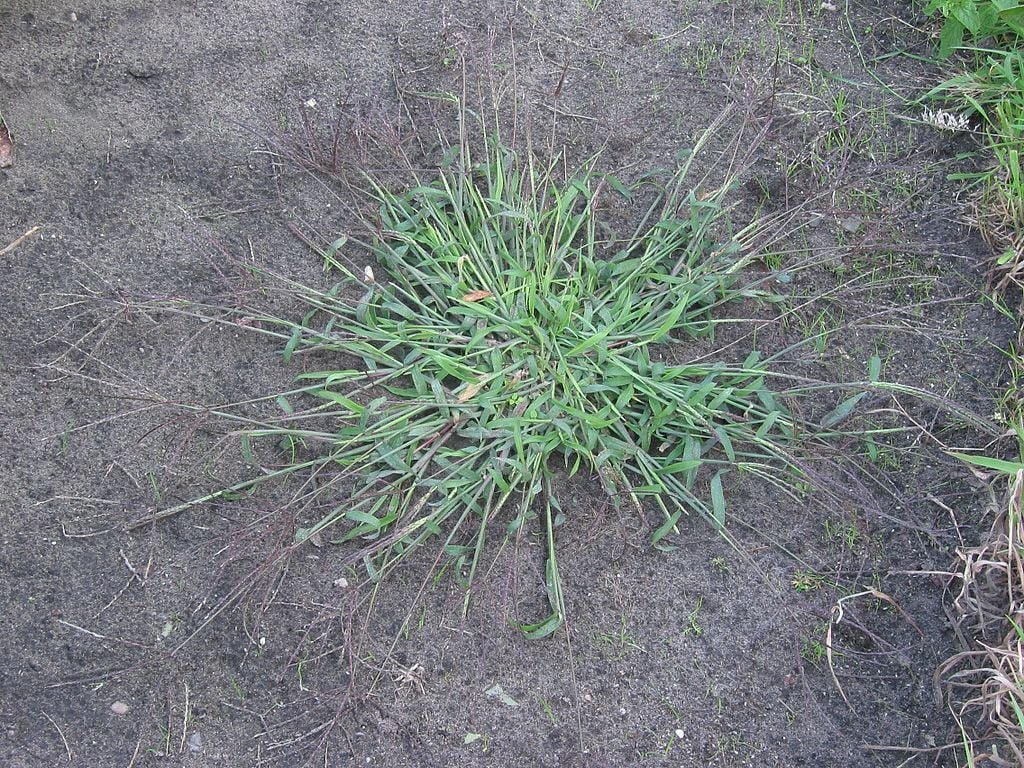
Post-Emergent Targets: Broadleaf Weeds
Our post-emergent treatments address established weeds that compete directly with grass for nutrients and moisture like dandelions. Ground ivy, in particular, can be persistent and difficult to eliminate without targeted treatment.
How Pre- and Post-Emergents Work Together
One of the biggest misconceptions about lawn weed control is that a single treatment solves everything. We've already hinted at this, but when you use pre- and post-treatments together, they can work in harmony and keep your lawn as weed-free as possible.
In reality, there's no single right answer, and effective seasonal weed control requires a coordinated approach. Here’s how our process works for impactful weed control.
Step 1: Start the Season with Pre-Emergent
We begin in early spring by applying pre-emergent to block crabgrass germination. This forms the foundation of weed prevention for the year. And because we have years of experience, we're able to tackle pre-emergent treatments in that proper but small window of appropriate time where it's most effective.
Step 2: Monitor for Breakthrough Weeds
Even with preventative treatment, though, certain factors (many out of your control) can allow weeds to emerge anyway. Issues like soil disruption, weather fluctuations, and existing perennial root systems can all cause weeds to pop up even with proper pre-emergent treatment.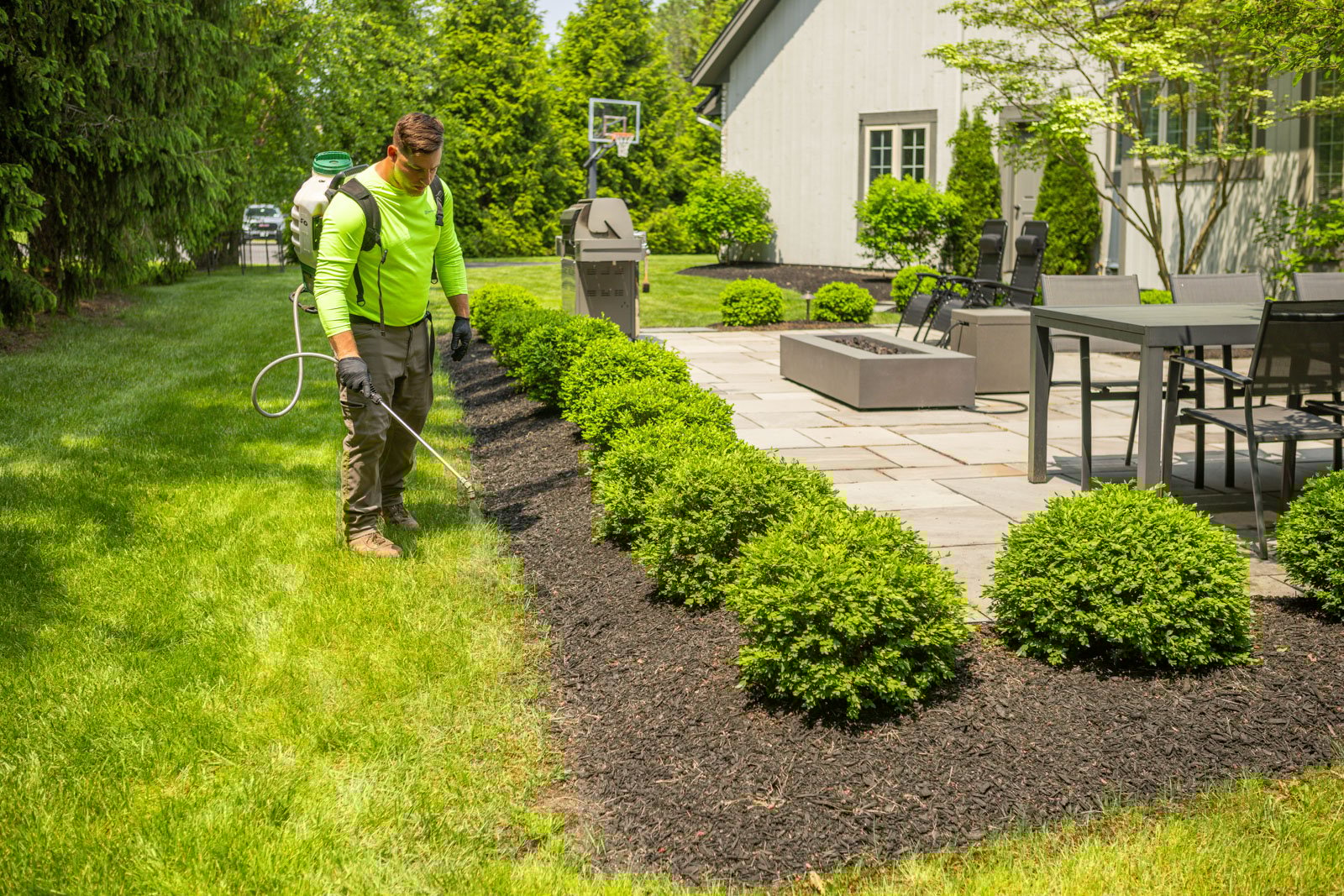
Remember, no lawn exists in a vacuum, and no treatment plan can control every environmental variable.
Step 3: Apply Post-Emergent as Needed
When visible weeds appear, post-emergent applications are used to eliminate them and restore uniform turf.
This dual strategy helps maintain a clean, consistent lawn throughout the growing season. Pre-emergent sets the stage, but post-emergent keeps things polished. Together, they create real control, and not just temporary improvement that looks fine for the moment but is riddled with weeds within the week.
To DIY or Not to DIY: Why Pre-Emergent DIY Timing Often Falls Short
Many homeowners attempt to manage lawn weed control themselves with DIY solutions. While this can work in certain cases, there are a ton of common challenges that can make this more difficult than it needs to be.
For example, lots of homeowners will:
-
Misjudge the correct timing window
-
Apply pre-emergent too late
-
Use post-emergent on immature weeds
-
Miss follow-up applications
-
Not account for specific soil conditions
Because pre-emergent timing is tied to soil temperatures and conditions – not calendar dates – guessing can lead to missed opportunities and more weeds slipping through the cracks.
Professional lawn care in Rochester, NY, Monroe County, and all of our surrounding communities is built around monitoring conditions with a pro's eye, not just reacting to visible weeds.
Trimline’s Seasonal Weed Control Program
At Trimline, we view weed control as a structured, seasonal strategy instead of a reactive, one-off fix every time they pop up. Our goal isn't to tackle your weeds every year when they show up; it's to work toward long-term prevention and keep weeds out of your yard for good.
That's why we created a weed control program for our clients. It includes elements like our early spring pre-emergent applications, targeted post-emergent treatments, ongoing monitoring, and integration with comprehensive lawn and plant care.
Early Spring Pre-Emergent Applications
Applied at the proper time to block crabgrass germination before it begins.
Targeted Post-Emergent Treatments
Addressing visible weeds such as dandelions, clover, and creeping Charlie during active growth periods.
Ongoing Monitoring
We assess lawns throughout the season to determine if follow-up treatments are needed.
Integration with Full Lawn Care
Weed control works best when you pair it with a full lawn care program that considers the holistic health of your landscape:
-
Proper fertilization
-
Healthy soil structure
-
Thick turf density
The thicker and healthier your grass, the fewer opportunities weeds have to establish.
Our Pre & Post Emergent Treatment Frequently Asked Questions
Do I need both pre- and post-emergent for a weed-free lawn?
In most cases, we think so. Pre-emergent prevents crabgrass before it sprouts, while post-emergent eliminates weeds that are already visible. Together, they create more consistent control. Pre catches issues before they start, and post tackles problems that might slip through the cracks. See how they work in harmony?
When should I apply pre-emergent in Monroe County?
Pre-emergent should be applied in early spring before crabgrass germination begins. Timing depends on soil temperatures, not just the calendar. That's why we always recommend working with a professional landscape provider to help you best hit this small but critical window.
Can I apply these treatments myself?
DIY products are available, but success depends heavily on proper timing and identification. Missing the pre-emergent window or misidentifying weeds can reduce the effectiveness and leave you scrambling with post-emergent treatments.
What types of weeds does Trimline’s program target?
Our pre-emergent program focuses on crabgrass prevention. Post-emergent treatments target established weeds like dandelions, clover, and ground ivy. Together, these free up your time to truly enjoy your lawn all summer long.
How to Get Started with a Custom Lawn Care Plan
If you’re unsure whether you need pre-emergent, post-emergent, or both, the best place to start is with a professional evaluation.
At Trimline, we always look at existing weed pressure, turf density, soil conditions, sun exposure, and previous treatment history to help you establish a custom plan that works best for you and your lawn.
From there, we design a plan that aligns with your lawn’s specific needs. We know that lawn care is rarely one-size-fits-all, so we understand that your lawn will likely need a plan with custom tweaks and unique adjustments to thrive.
A Healthier Lawn Starts with Proper Timing & Professional Guidance
Weeds don’t appear by accident, and they don’t disappear by chance. Truly effective lawn weed control requires understanding how treatments work, when to apply them, and how they fit into a broader seasonal strategy.
If you’re ready for a proactive approach to lawn care in Rochester, NY, Monroe County, and surrounding communities, we’re here to help. Let’s build a weed control plan that works with your lawn (and your local conditions) instead of against them. Fill out our free quote form to contact our team and learn more about our weed treatment program.

