
- Lawn Care
6 min read
Identifying Different Types of Lawn Weeds: What Every Homeowner Needs to Know
Weeds. The bane of every homeowner's existence. Weeds are one of the small-but-infuriating inconveniences standing in th...
Weeds. The bane of every homeowner's existence. Weeds are one of the small-but-infuriating inconveniences standing in the way of a perfect lawn.
And that's because, often, it's not as simple as spotting a weed and pulling it – it grows back, causes more damage, and continues to drive you crazy. We’ve been in this business a long time, so we’re very familiar with weed-related frustrations.
Often, the key to beating weeds is knowing what type of weeds you're dealing with.
And in all our time serving clients and providing premium lawn care, this is one of the most common questions homeowners ask us: "How do I tell what kind of weeds are growing in my yard?"
It's important to us that you don't feel like you have to be a lawn care expert to decode what's happening in your own space. Fortunately, there are some clear visual clues that can help you determine which types of weeds you're dealing with.
In this guide, we'll walk you through the basics of weeds and what you should know about lawn weeds in the Rochester area. By the end of it, we hope you won't feel so in the weeds in understanding your own lawn.
Jump To:
The Basics of NY Weeds
Common Rochester Weeds You Might Be Dealing With
Stopping Weeds – The First Step
Lawn Weeds FAQ
Trimline's Proven Weed Prevention & Treatment
Partnering with Trimline for Lawn Care
We could talk all day about the types of weeds, but to boil it down, you're usually dealing with one of two types of weeds – grassy weeds or broadleaf weeds.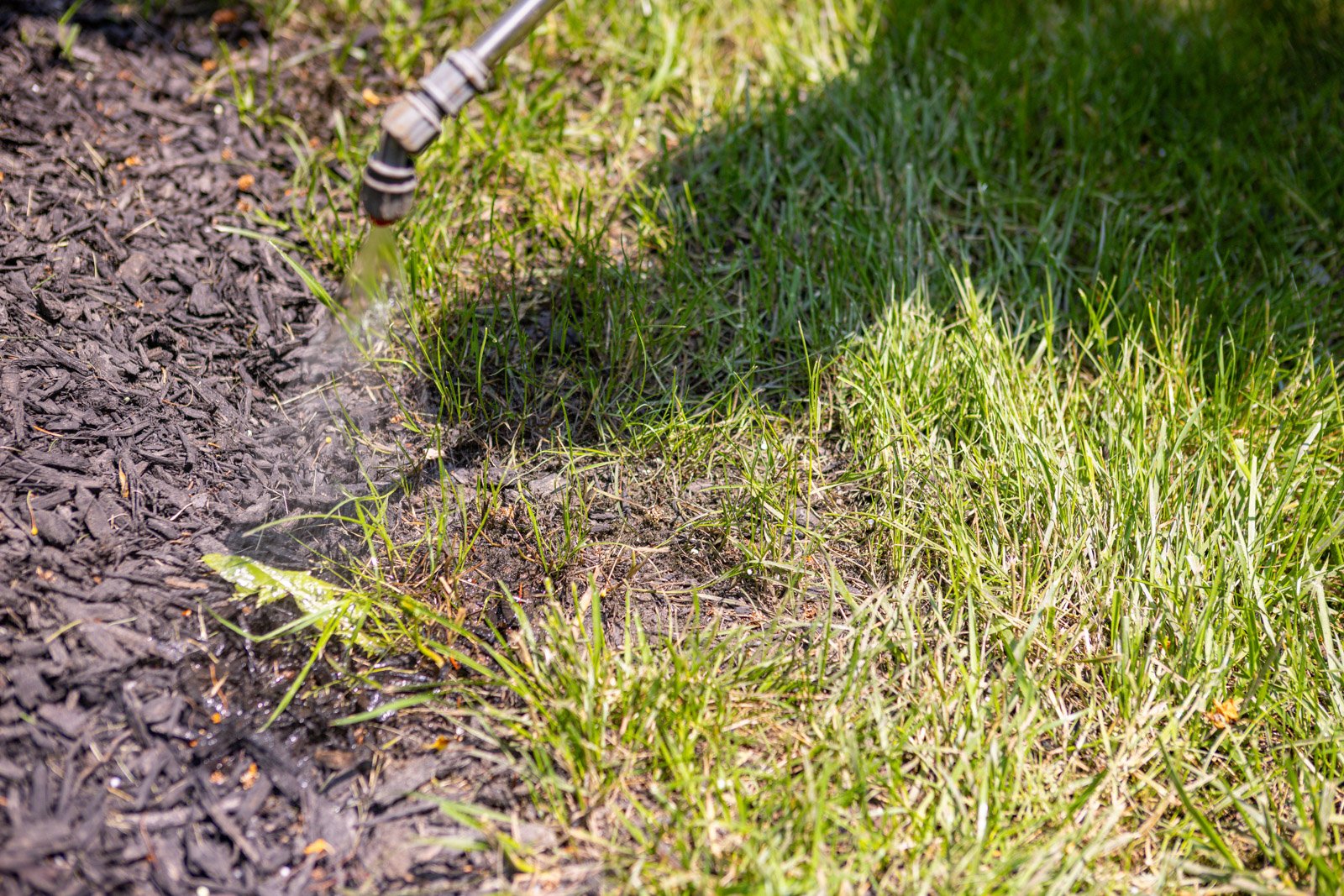
Understanding the difference between grassy weeds and broadleaf weeds is key to proper weed identification and effective control of those weeds.
“Broadleaf weeds are the most obvious,” William Dachille reminded me the other day while we were chatting about the weeds that plague our yards. “They always have two or more leaves, and the leaves are typically much wider and different in appearance than grass.”
Grassy weeds, just like the name suggests, look more like grass just with a little something off. Grassy weeds grow similarly in appearance to regular grass – but their color, growth rate, and height are much different after they mature.
In other words, if a patch of grass grows faster, looks brighter or duller, or stands out even after mowing, there’s a pretty good chance you’re dealing with a grassy weed rather than your regular turf grass.
Grassy weeds blend in early, then outcompete your turf as they mature. Most importantly, they require different treatment approaches than a broadleaf weed might.
Broadleaf weeds tend to grow low and wide. They often produce visible flowers or seed heads.
A product that works on one type may do nothing for the other; which is why a one-size-fits-all or DIY approach often falls short.
Unfortunately, Rochester isn't immune to dealing with lawn weeds. We've got plenty of the normal ones to deal with – and thankfully, our team at Trimline knows exactly how to prevent and resolve these weeds.
Still, it's important for homeowners to be able to spot these weeds themselves so they know what they're dealing with. Below are some of the most common invasive lawn weeds we see across Rochester and our surrounding communities.
One of the earliest broadleaf weeds to appear, dandelions typically emerge in early spring. Their deep taproots allow them to return year after year if not fully controlled. While dandelions may be fun to pick, blow, and make a wish on, they're still invasive – and they require proper control. They're often caused by thinning turf, low competition in their area, and an early-in-the-season warm spell.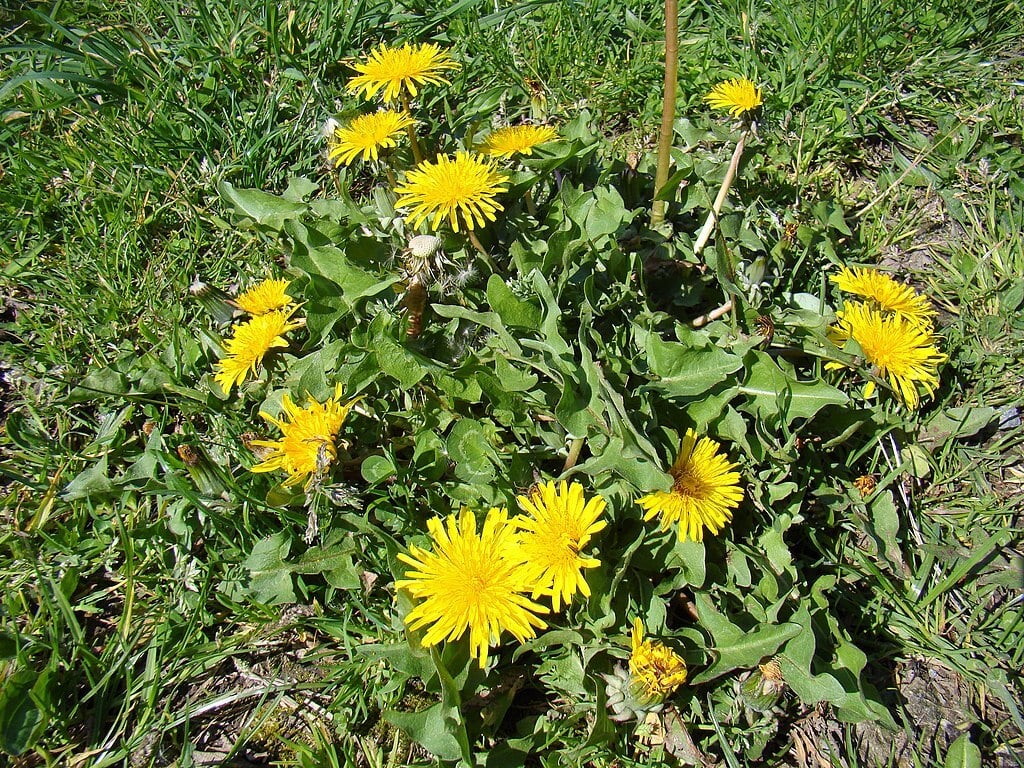
Clover often shows up in lawns with low nitrogen levels, often caused by poor soil fertility or compacted soil. It's known to spread quickly and can indicate underlying soil health issues.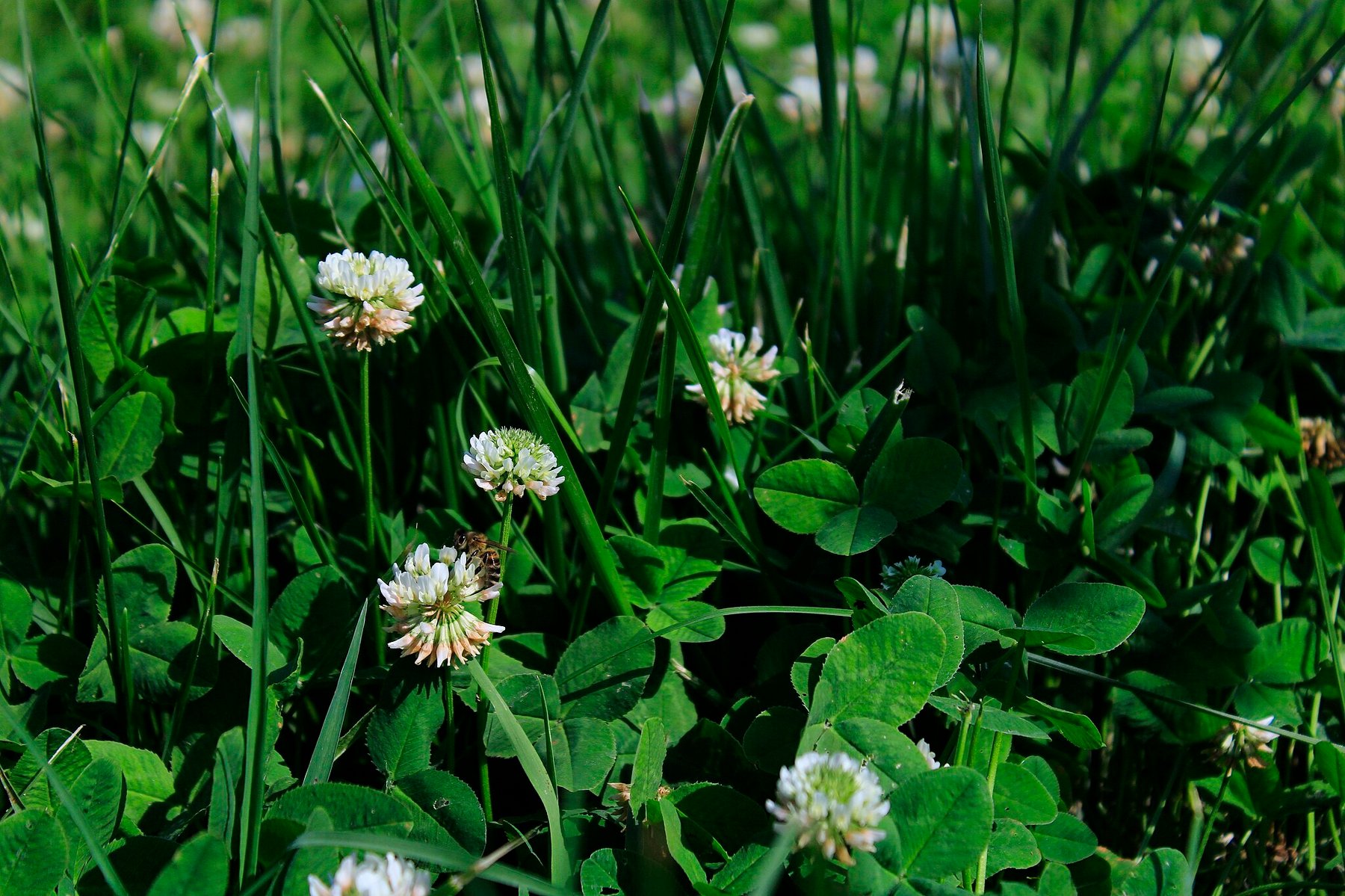
Crabgrass is one of the most problematic grassy weeds in our Rochester lawns. It germinates in early summer once soil temperatures rise and spreads aggressively. Bare soil, full sun exposure, and lack of pre-emergent protection can all be causes of a crabgrass breakout.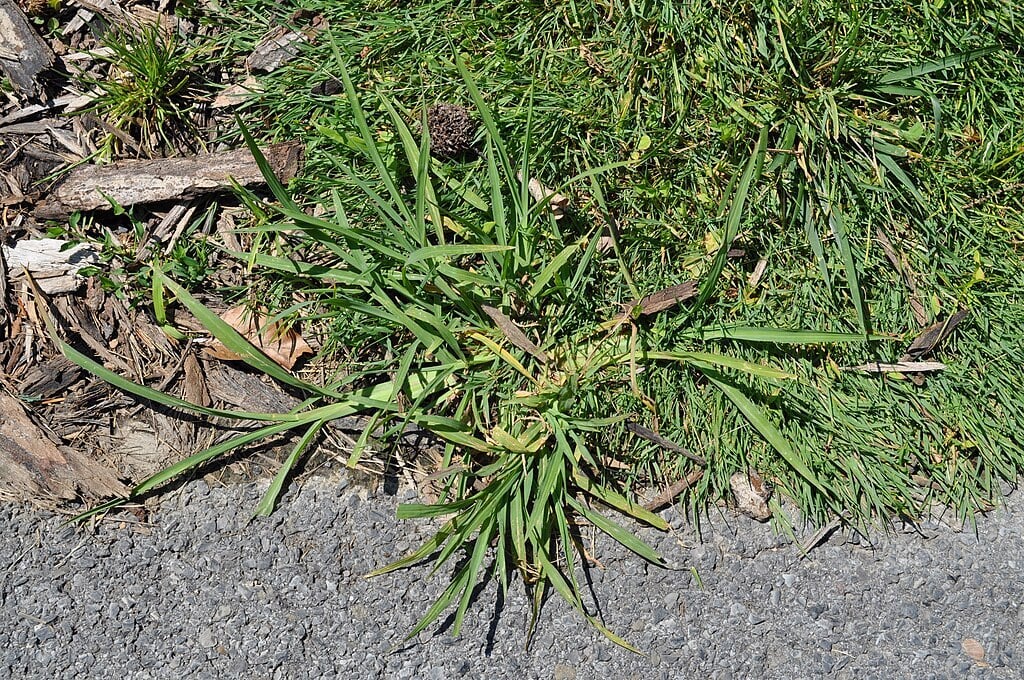
Nutsedge is often caused by excess moisture and compacted soil. This one is tricky – it looks like grass at first, but grows faster and taller, often standing out shortly after mowing. It thrives in excess shade, moisture, and thin turf.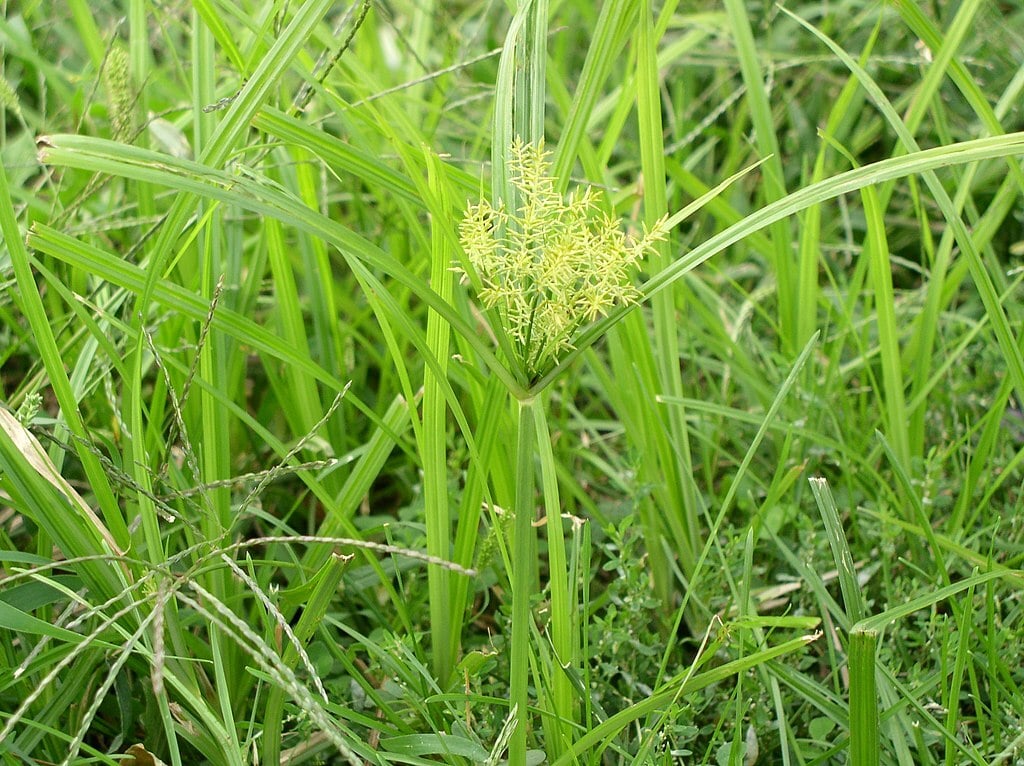
This broadleaf weed spreads along the ground and can quickly overtake shaded areas of the lawn. It's caused by excess shade, moisture, and thin turf.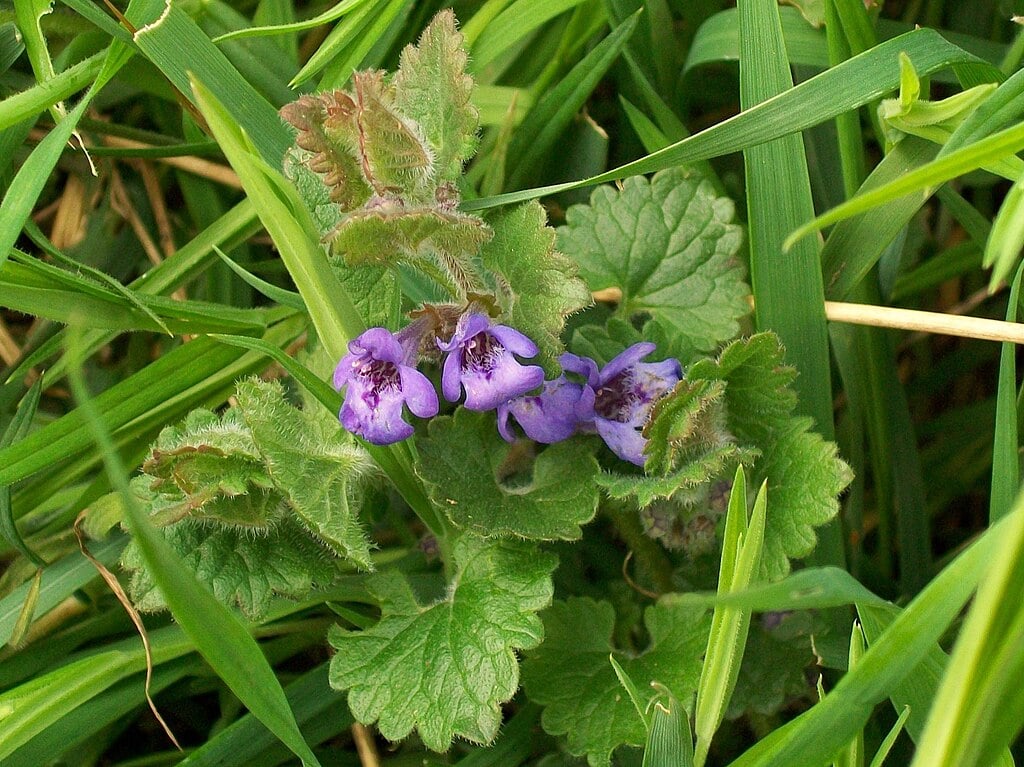
Many homeowners will spot weeds in their beautiful lawn and take matters into their own hands. They'll head over to their local hardware store, grab a store-bought spot treatment for weed killer, apply it, and then…see those exact same weeds return a week or two later.
Does this sound familiar?
If you've dealt with this frustrating process before, you know that weed control isn't always a one-size-fits-all solution.
Many DIY products or store-bought spot treatments will work, but only temporarily.
Some ‘burn’ the surface plant, causing it to die off, but the root system underneath it is still alive and well.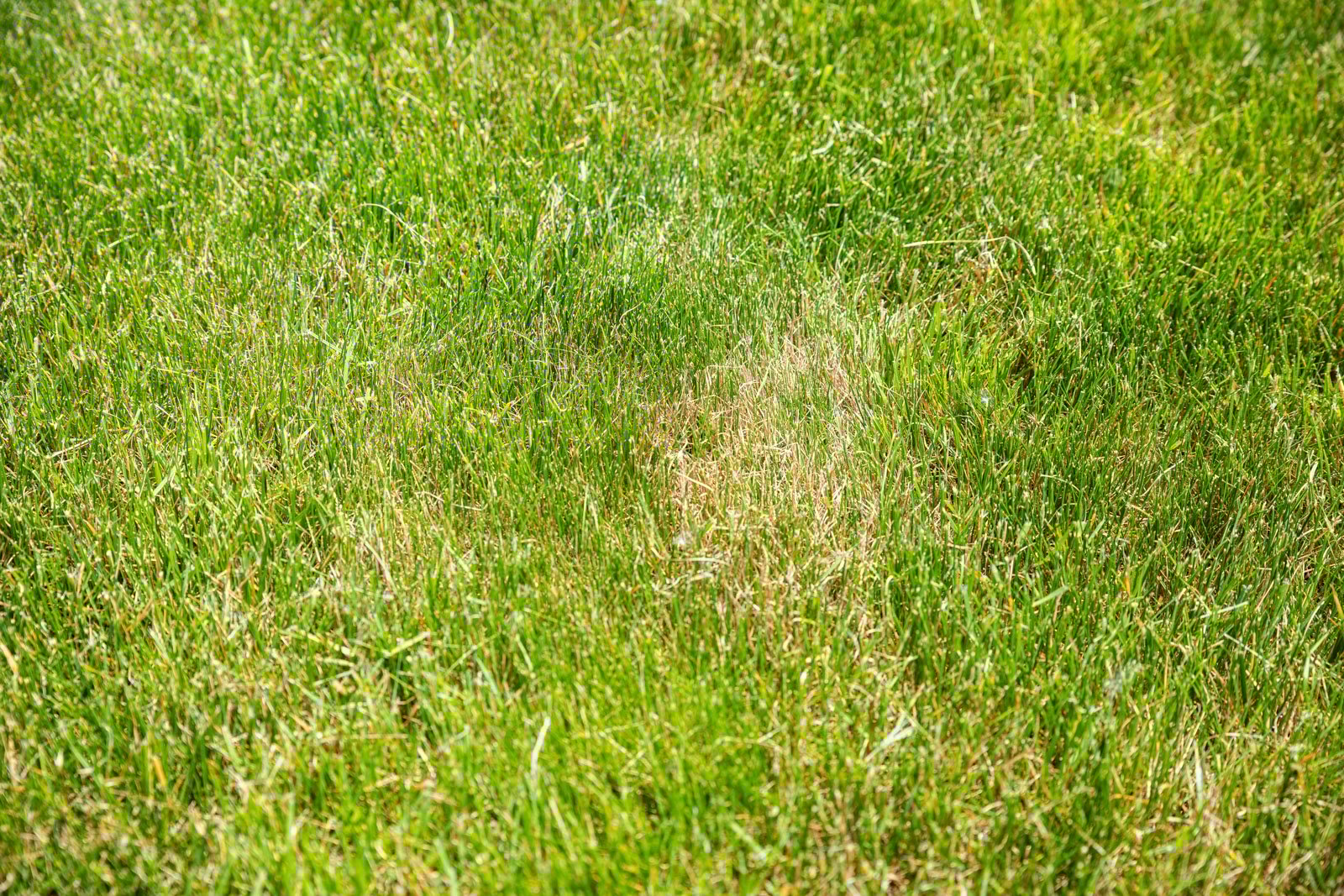
That’s why the weeds often reappear a few weeks later. It's not that the same roots survived the spot treatment; it's that the root system was healthy enough to produce new growth – and they'll keep coming back.
Weed prevention and control start with creating conditions where grass thrives and weeds struggle.
Some factors that tend to make weed problems worse in Western New York include things like:
Low soil pH and low nitrogen levels
Bare or thinning turf
Mowing too short
Full sun exposure on open soil
Excess moisture and poor drainage
What can you do at home to prevent weed germination? You can start with mowing your lawn to the right length.
It might sound nit-picky, but this really does help – mowing at the proper height (3–3.5 inches) encourages a healthier and thicker lawn. It can also help shade the soil and reduce the number of weeds, since weed seeds generally need sunlight to germinate. Additionally, avoid mowing more than ⅓ of the blade at a time to reduce the possibility of stressing out the grass plant.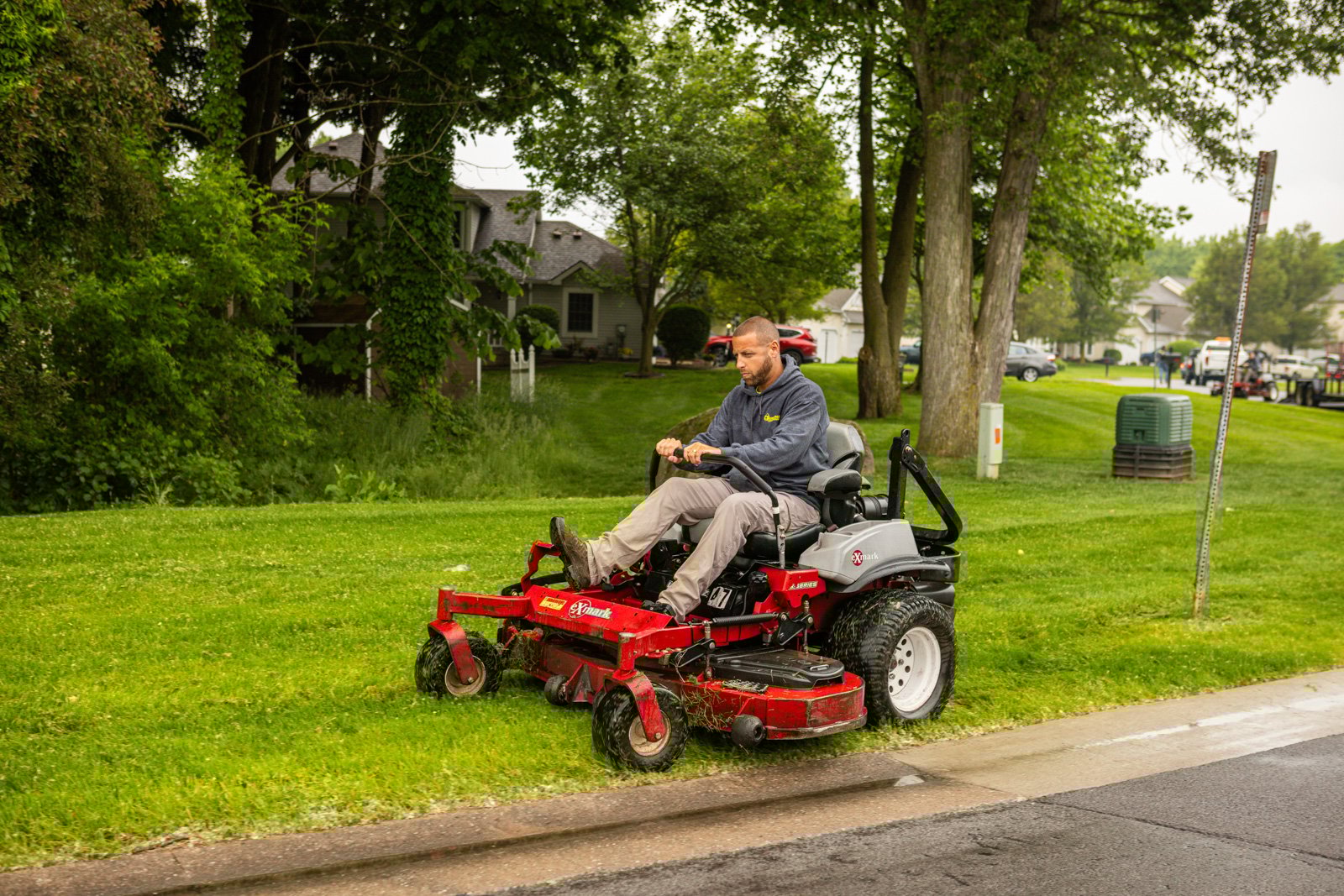
There are several types of weeds that could be messing with your lovely lawn. First, look at the leaf shape and growth pattern. Broadleaf weeds have wider leaves and visible shapes, while grassy weeds blend in but grow differently from turf.
Most DIY products or store-bought spot treatments don’t actually kill the root system of the weed. They'll burn off the tops, getting rid of the current weeds, but without targeting the root, weeds are likely to return in just a few weeks.
When applied correctly by professionals and according to label guidelines, treatments are designed to be safe once dry. It's important to talk to your lawn care provider about what weed control treatments they use and what guidelines you'll need to follow to ensure the safety of your children or pets.
Absolutely! Getting rid of weeds in your lawn isn't just about the aesthetics of it all – it's about overall health. Reducing weeds decreases competition for your grass for nutrients, water, and sunlight, which allows it to grow thicker and healthier. In turn, a thicker lawn helps block out future weeds.
Effective weed control isn’t about chasing down what you see; it’s about the right timing, prevention, and treating the root cause so you don't have to deal with weeds every few weeks.
Our lawn care program targets weeds at the most effective times, while they are actively growing. This is why we specifically target broadleaf weeds in the spring and fall.
These treatments are absorbed into both the weed and its root system, eliminating the entire plant so it doesn’t return. Grassy weeds require a different strategy.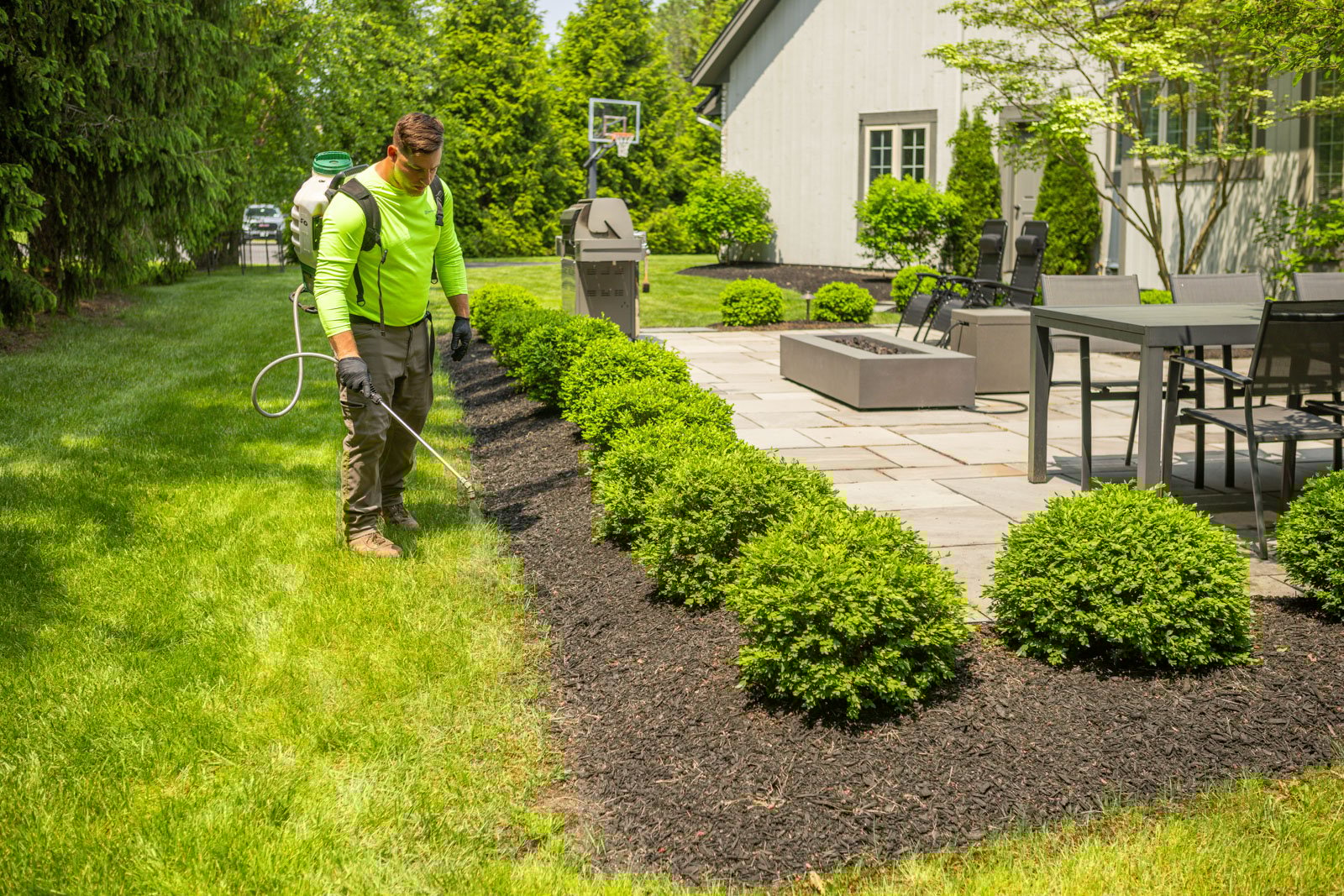
For crabgrass, prevention is the key. We apply a liquid crabgrass pre-emergent in the spring well before crabgrass begins to emerge. This helps prevent it from germinating. Crabgrass, unfortunately, is bound to still appear later in the season as its seeds spread from other yards in your area. This is when spot treating with weed control is critical to stop new crabgrass before it can take hold.
And because other grass weed types thrive in high-heat areas (like along asphalt or concrete edges), we also inspect and spot treat throughout the season as needed.
Weeds don’t mean you’ve failed at lawn care; they simply mean your lawn needs the right support at the right time. And if you're not a lawn care professional, it can be hard to decide when that should be done and how they should be dealt with.
With a well-timed, professional program, weeds can be controlled, and your lawn can grow thicker, healthier, and more resilient season after season.
If you’re tired of guessing what’s growing in your yard, Trimline’s lawn care services in Rochester, NY, (and Monroe County and surrounding communities) are designed to take the guesswork out of weed control.
Ready to reclaim your lawn? Complete our form for a free quote to get started with a proven weed control program built for your Western New York lawn.

Image Sources: dandelion, crabgrass, clover, yellow nutsedge, ground ivy