
- Lawn Care
5 min read
Dandelions in Your Lawn: Are They Harmless or a Sign of Trouble?
One minute, your lawn is the envy of the neighborhood, and the next, it looks like a tiny yellow sunflower festival has ...
One minute, your lawn is the envy of the neighborhood, and the next, it looks like a tiny yellow sunflower festival has sprung up overnight. Dandelions, those sunny yellow weeds, have a way of showing up exactly where you don’t want them to be. They are persistent, fast-spreading, and impossible to ignore.
So, are they harmless little flowers, or a sign your lawn is struggling? While they may brighten the view in the spring, dandelions often indicate compacted soil, thin grass, and nutrient-poor conditions. They compete with your turf for sunlight, water, and nutrients, making it hard for healthy grass to survive.
Let’s explore why dandelions are so tenacious, what they reveal about your lawn’s health, and the most effective ways to control and prevent them.
Jump To:
Understanding the Dandelion Weed Lifecycle
Why is My Yard Full of Dandelions?
Are Dandelions Bad for Your Lawn?
Why DIY Dandelion Treatments for Lawn Usually Fails
How to Get Rid of Dandelions
How to Prevent Dandelions from Returning Year to Year
Frequently Asked Questions About Dandelions
Partnering with a Professional for Lawn Care
If you have ever watched a bright yellow dandelion turn into a fluffy white seed head, you have already witnessed just how fast and persistent this weed can be. Dandelions may look pretty at first, with sunny yellow blooms in early spring, but they are actually a hardy perennial weed with a lifecycle rooted in survival.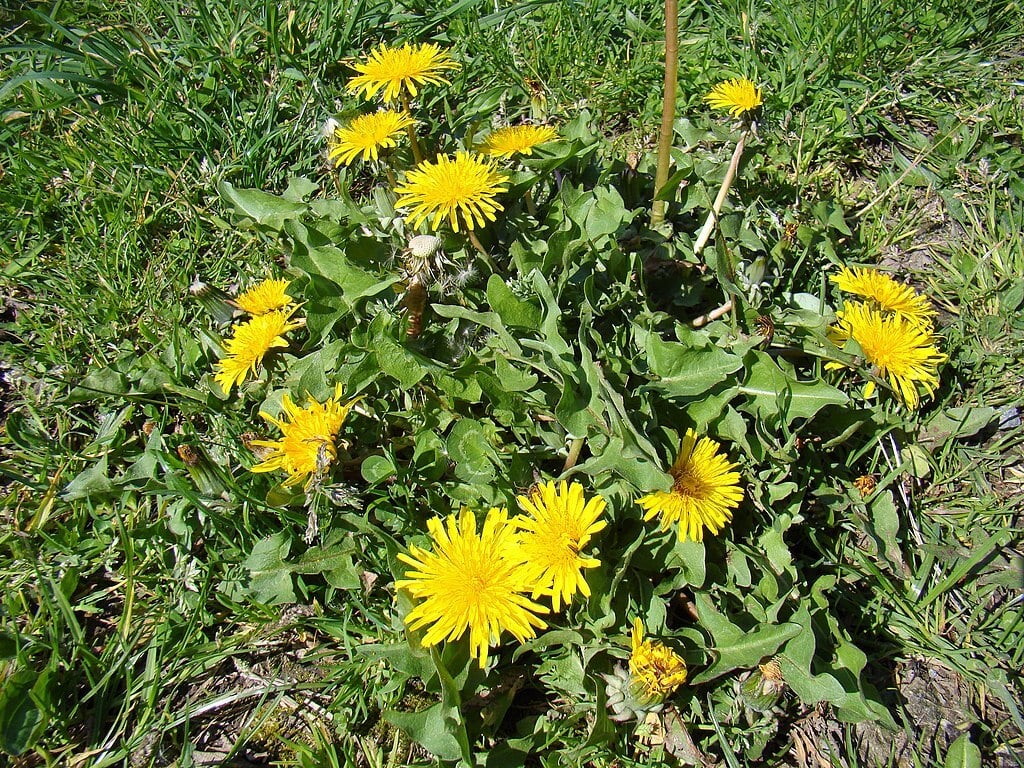
Dandelions begin as a low-growing weed that has deep roots anchored firmly in the soil. Their yellow flowers eventually bloom into their well-known seed heads, which kids love to blow across your lawn. Each seed head contains dozens of lightweight seeds that can travel far with even the slightest breeze. Once the seeds land in your lawn, they germinate quickly.
Because dandelions are a perennial weed, meaning they return year after year, and spread so easily, understanding their lifecycle is the first step to getting ahead of them. Each stage, from rosette to flower to seed head, needs the right control methods applied at the right time.
Dandelions are especially good at finding the weak spots in your lawn and exploiting them. They are not caused by a lack of pre-emergent applications, and in fact, pre-emergent products are not used for controlling them. Instead, they tend to take over where the grass is struggling.
Dandelions thrive in compacted soil, thin or bare patches, and nutrient-poor conditions. While healthy turf has strong, dense roots that crowd out weeds, compacted soil makes it difficult for grass to grow, but allows dandelions to push right through. Lawns with low nitrogen levels are especially susceptible because weak, pale turf simply can’t outcompete aggressive weeds like dandelions for sunlight, water, and space.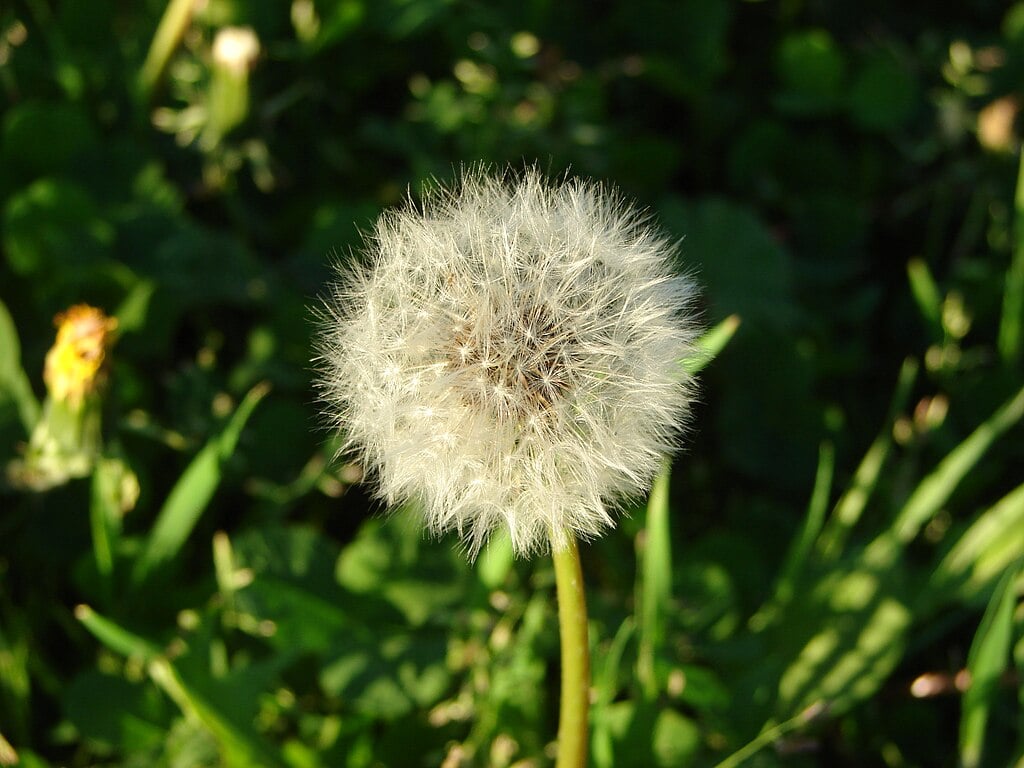
Environmental factors in Rochester also play a major role. Wind can carry dandelion seeds for miles, meaning even a perfectly maintained yard can receive unwanted seed visitors. Wet spring seasons and frequent rainfall create ideal germination conditions, allowing seeds to sprout quickly. And if mowing is done after the flowers have gone to seed, the mower can unintentionally spread those fluffy white seeds across your entire yard.
Dandelions may look harmless, but they are often a sign that your lawn is struggling. When these weeds show up in large numbers, it usually points to underlying soil issues, like compaction, low nutrients, or thin turf. Their deep roots steal water and nutrients from surrounding grass, too, making it even harder for healthy turf to grow. Your focus may be on removing a weed, but addressing a dandelion problem will improve the overall health and resilience of your lawn.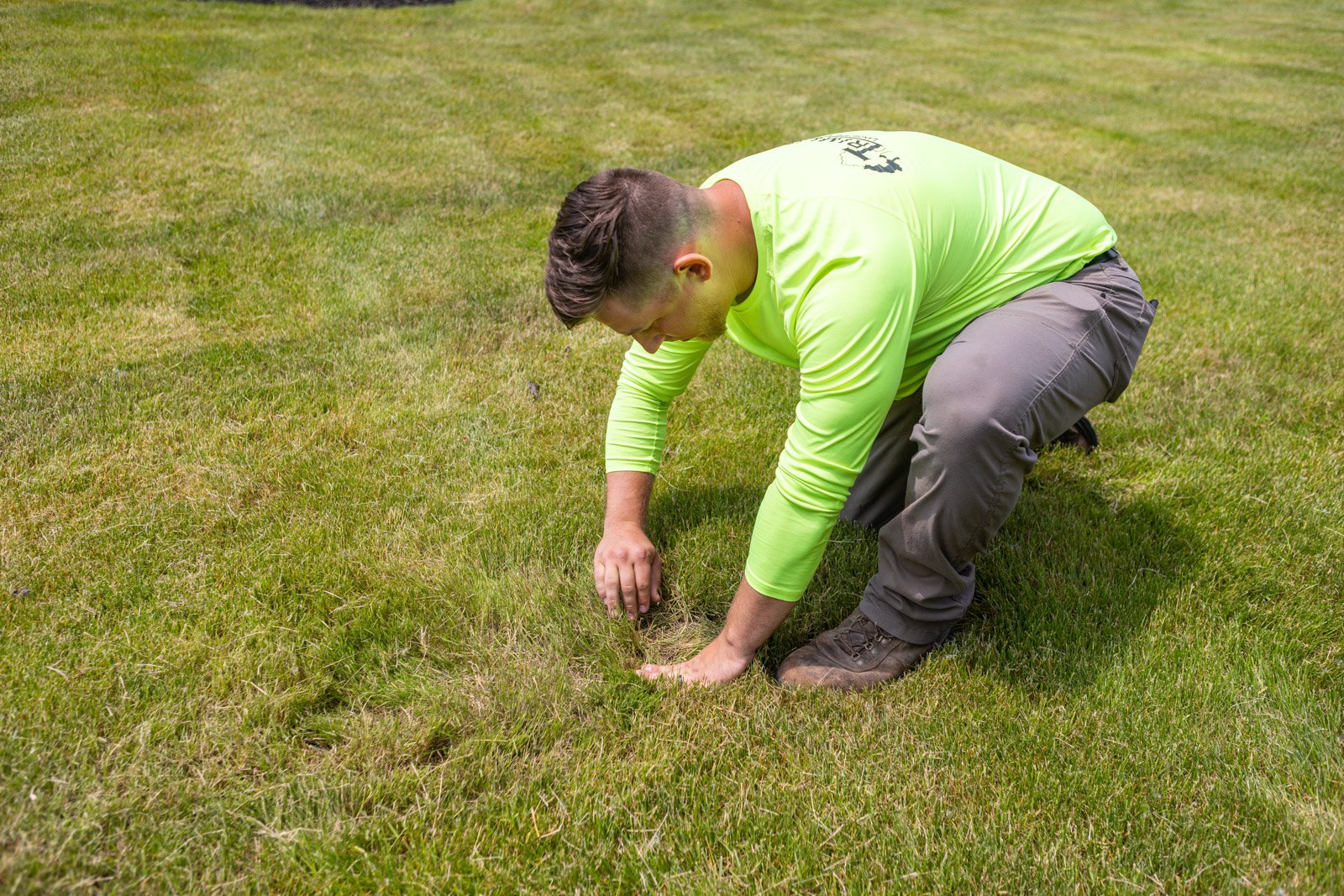
It may seem like an easy enough task to try to tackle dandelions on your own; however, many homeowners end up with a yard full of them a few weeks later. It is not for lack of effort on your part. Dandelions are simply tough weeds with built-in defenses that make DIY control frustrating. The biggest challenge is that most at-home methods only treat the symptoms, not the root cause. Without addressing soil health, turf density, and compaction, even the best DIY weed killers have limited or temporary success.
Dandelions are difficult for DIYers for several reasons. First, they have deep taproots that are hard to remove completely; even a small piece left behind can regrow. They also produce an enormous number of seeds. Did you know a single plant can generate thousands in a year? Those seeds are easily spread by the wind through their parachute-like structures called pappuses, which means new weeds can appear even after old ones are pulled. To make matters more complicated, seeds can blow in from neighboring lawns or lie dormant in the soil, germinating the following spring.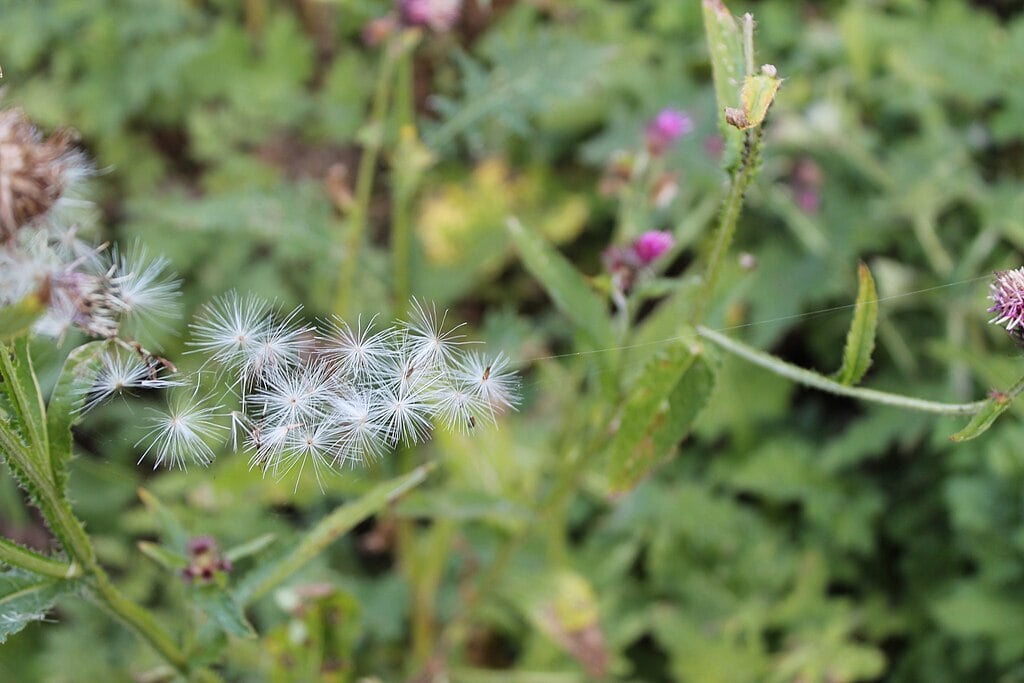
This combination of resilient roots, rapid seed production, and constant reseeding makes DIY dandelion control an ongoing battle.
Getting rid of dandelions requires more than a one-time spray or pulling a few weeds. Real control comes from a combination of timing, consistency, and treating the underlying conditions of your lawn. While pre-emergent is effective for many weeds, it is not used for dandelions, so the focus shifts to targeted, well-timed applications.
Here at Trimline, we control dandelions with our standard weed control applications, which are included in Rounds 2 and 5 of our lawn care program. These treatments are specifically timed to catch dandelions when they are most vulnerable, helping to reduce both existing plants and new growth. In addition to these scheduled rounds, our team also spot-treats throughout the season whenever we see these weeds trying to make a comeback.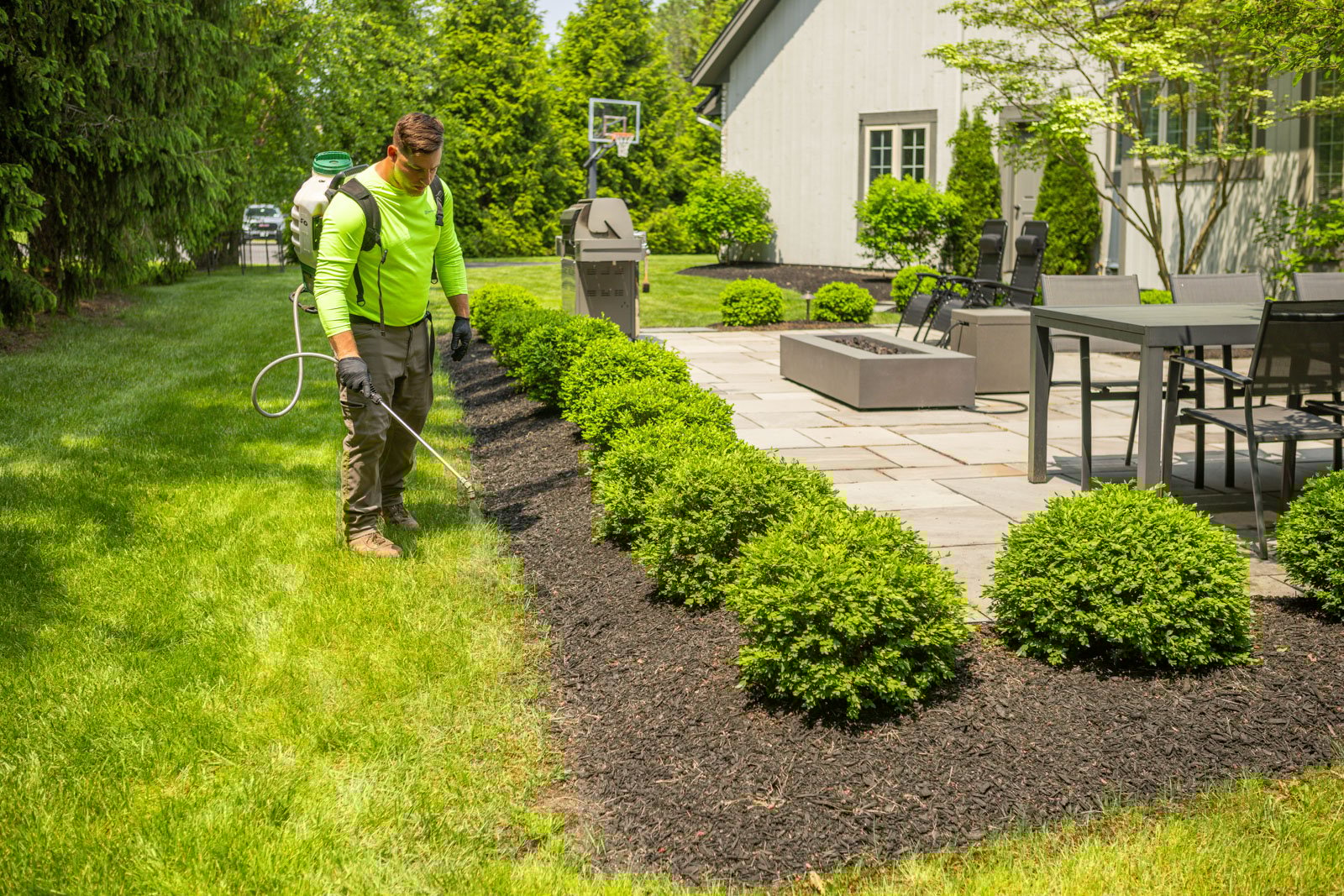
This steady, season-long approach ensures that your lawn has lasting freedom from dandelions instead of just temporary relief.
Once you’ve tackled the dandelions that are active in your yard, the most important thing is keeping them from coming back. Prevention is all about building a lawn strong enough to outcompete weeds on its own. The best long-term strategy is a full-season approach focused on improving soil health, strengthening turf density, and creating the kind of environment where grass thrives and dandelions struggle. Use this checklist to help boost your turf:
Overall, removal isn’t the finish line for your strategy on how to control dandelions. It is about preventing them with a strong and thick lawn.
Yes. While they may look cheerful, they compete with grass for nutrients, water, and sunlight. They also indicate underlying lawn issues, like poor soil health.
Hand-pulling can help with small infestations, but it is not a complete solution. Dandelions have deep taproots, and any piece left behind can grow back. Without ongoing treatment or professional care, they will return.
The ideal time is spring, when dandelions are actively growing but before they go to seed.
Maintaining a healthy lawn through proper mowing, fertilization, aeration, and overseeding thin spots will help your grass outcompete weeds and reduce the chances of dandelions taking hold.
Dandelions are persistent, and seeds spread easily by wind. If the issue is right after treatment, you may not have waited long enough for the product to work. At Trimline, we advise our customers to wait 7-14 days after treatment before assuming it was ineffective.
A beautiful and healthy lawn requires consistent care, attention to soil health, and proactive management to prevent weeds like dandelions from taking over. While DIY methods can help in small doses, professional lawn care takes the guesswork out of the equation. With the right treatments at the right time and soil improvement strategies, your lawn can grow thicker, stronger, and more resilient against persistent weeds overall.
At Trimline, we offer a hassle-free, hands-off approach that not only treats existing dandelions but also strengthens your grass and soil for the long term. By combining targeted weed control with proper fertilization, aeration, and overseeding, we help prevent new weeds from taking hold while building a lawn that thrives season after season.
Frustrated with dandelions taking over your turf? Trimline can help! Get started by filling out our contact form today.
Image Sources: dandelion in grass, dandelion seed head, dandelion seeds