
- Lawn Care
6 min read
5 Common Lawn Diseases in Western New York (and What to Do About Them)
Every homeowner dreams of a beautiful landscape that welcomes them home like a warm embrace and supports their lifestyle...
Every homeowner dreams of a beautiful landscape that welcomes them home like a warm embrace and supports their lifestyle flawlessly. Among the most essential elements of that pristine outdoor space is your lawn.
Nothing catches the eye quite like a healthy, well-kept lawn, but there are many obstacles that stand between you and the yard you envision. Climate conditions, pests, maintenance challenges, and more all make the list, but they can pale in comparison to the trouble presented by lawn diseases.
There are many grass diseases in Western New York, and each one can spell disaster for your lawn. Learning how to identify, treat, and prevent lawn diseases and fungi is a must if you want to help your landscape reach its full potential.
Jump To:
Why Lawn Diseases Are Common in Western New York
Common Signs of Fungus in Your Lawn
5 Most Common Types of Lawn Fungus in Rochester
Lawn Disease Treatment Options
Lawn Fungus Prevention Tips
Lawn Disease Control FAQs
Finding Professional Lawn Fungus Identification and Treatment in Rochester, NY
If you are a homeowner in the Rochester, NY, area, it pays to be aware of the lawn diseases and fungal problems that are common to the region. Learning about the threats to your grass can help you recognize early warning signs of a problem, take steps to intervene, and set your lawn up for success.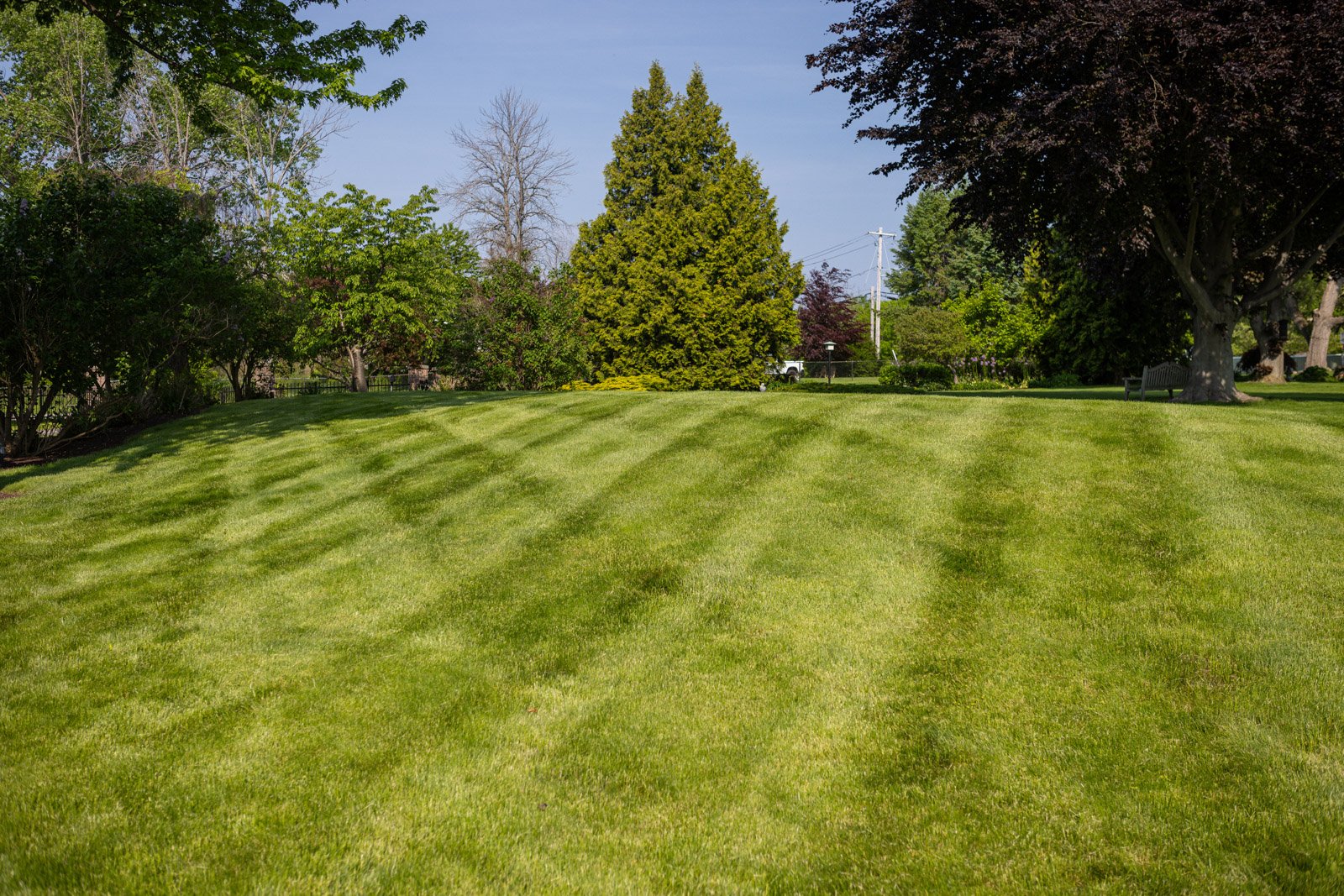
While lawn disease can occur essentially anywhere, Western New York is particularly vulnerable for several reasons. Because lawn diseases and fungi are so common in the area, it is especially important to stay vigilant and act quickly to treat and prevent such issues from taking hold. Here are a few reasons lawn diseases are such a rampant issue here:
Cool-season turf is inherently more susceptible during summer stress periods. Kentucky bluegrass, tall fescue, and perennial ryegrass (the dominant species in Western New York) are optimized for 60–75°F. When July and August push air temps into the 85–90°F range with humidity, these grasses are already physiologically stressed. Stressed turf has weakened defenses against pathogens that are simultaneously thriving in the same conditions.
Humidity and dew point. Rochester's proximity to Lake Ontario and Lake Erie creates a humid summer climate, particularly in July and August. High overnight humidity and heavy morning dew create extended periods of leaf wetness that drive infection cycles. Most fungal pathogens need leaf surfaces to remain wet for several consecutive hours to establish, a condition frequently produced in Rochester.
Rainfall distribution. Western New York doesn't get the dry summers of the Midwest or the predictable monsoon-style precipitation of other regions. Rain events are irregular and often heavy, creating wet-dry cycles rather than steady moisture. Heavy rain followed by warm, humid conditions is an ideal disease trigger.
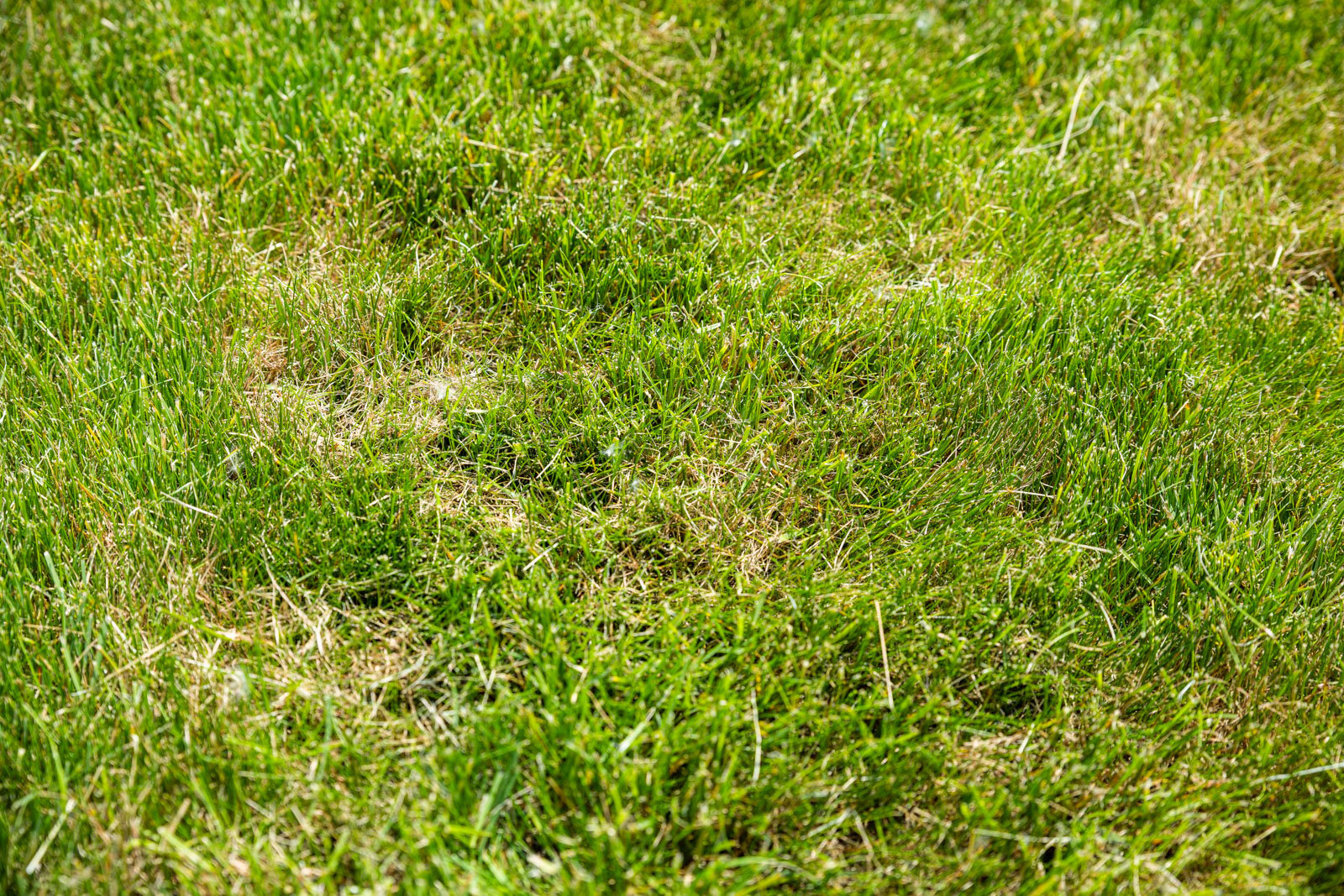
Before you can effectively treat a lawn condition, you need to nail down the diagnosis and get a proper lawn disease identification. While most of the signs of fungus in lawns are obvious, they can be easily overlooked or mistaken for a different problem. Confirming your suspicion with a professional lawn care provider always a good idea.
Brown and yellow patches in your lawn are a telltale sign that something is wrong. Other factors, like drought, could be at play, but discolored patches of grass should be a red flag no matter what the underlying cause might be.
Circular dead spots are another giveaway of certain lawn fungus types. Disease often produces circular, arc-shaped, or ring-patterned damage. Drought stress is typically irregular and follows slope, soil variation, or sun exposure while mowing damage creates straight stripes or uniform thinning across a wide swath. If you notice this strange pattern of dead grass, it’s a strong indicator that lawn fungus is at work.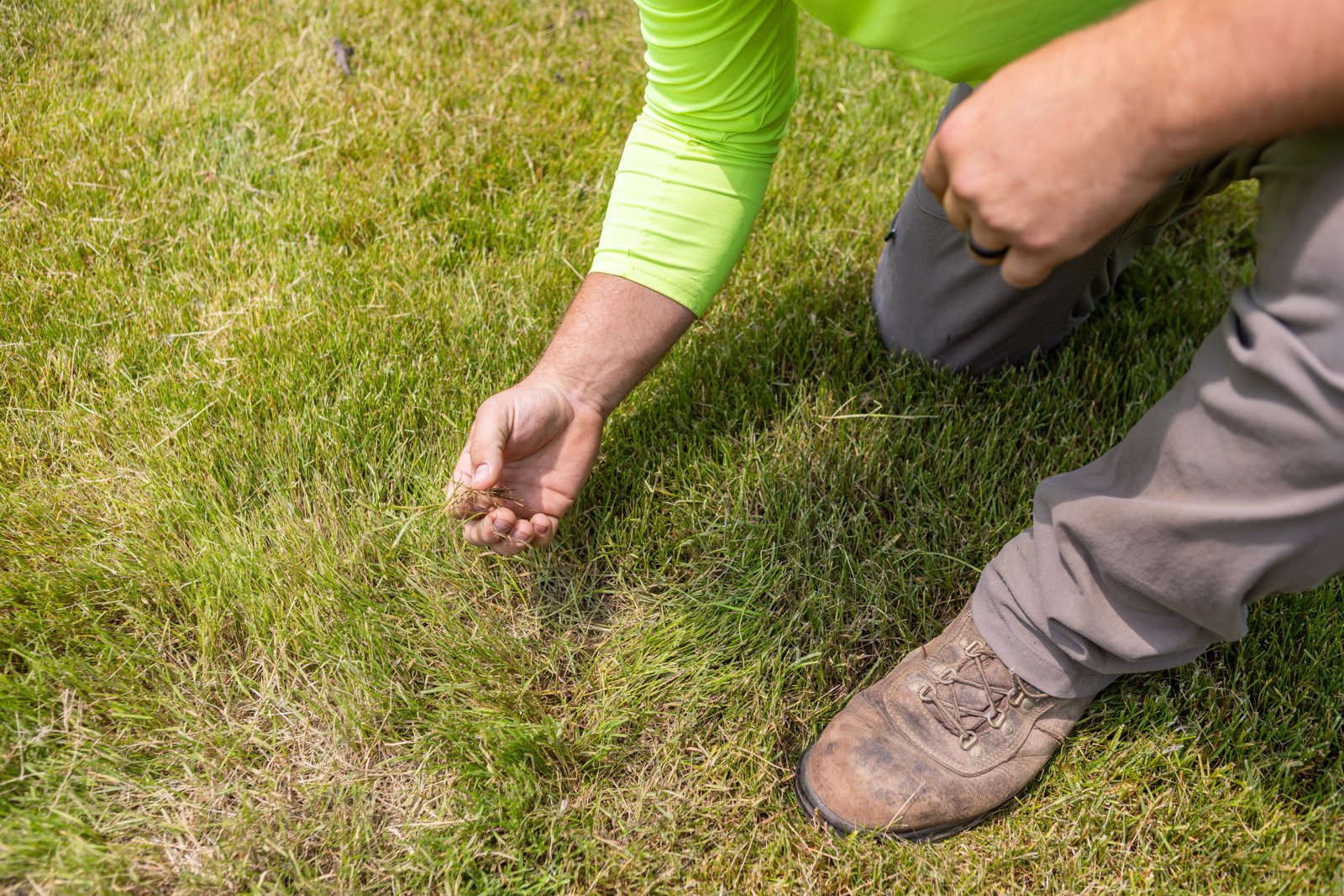
A final symptom of lawn fungus that’s easier to miss is thinning turf. Thinning turf often flies under the radar until it has progressed into a serious problem. It’s also easy to dismiss as something common or inconsequential, allowing the fungus to develop in secret until it has a stranglehold on your lawn.
Noticing the signs of fungus in your lawn is only the beginning of the battle. If you suspect a lawn fungus problem, you’ll need to go a step further to pinpoint exactly what’s causing it. This is where lawn disease identification is essential.
The type of fungus that is plaguing your Rochester lawn informs the lawn disease control methods that will be most effective in treating it. In other words, identification is key to effective treatment of existing fungus and prevention of future disease.
In the Rochester, NY, area, the most common lawn fungus types are Dollar Spot, Red Thread, Snow Mold, Brown Patch, and Leaf Spot. Keep in mind that there are other fungi that could affect your lawn, but these five are the varieties you’re most likely to encounter.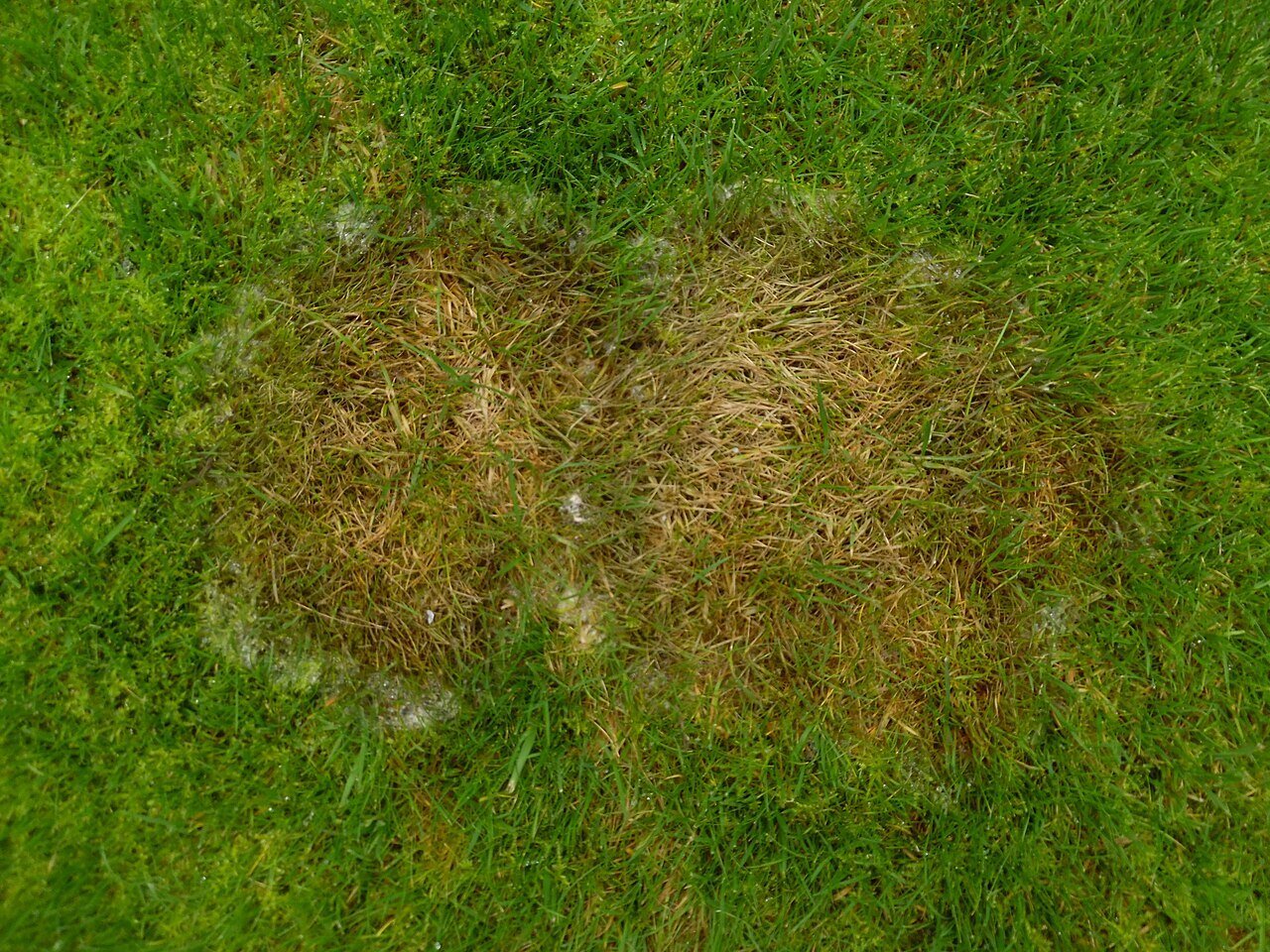
Gray Snow Mold / Typhula incarnata: Highly relevant in Western New York given the lake-effect snow patterns. Both types develop under snow cover and become visible at snowmelt in early spring. Gray snow mold forms circular grayish-white patches and typically only damages leaf tissue.
Pink Snow Mold / Microdochium nivale: the more serious of the two snow molds, it's active at lower temperatures, doesn't require snow cover, and can kill crowns. Lawns with heavy matted thatch and late-season nitrogen are most vulnerable.
Powdery Mildew / Blumeria graminis: Common in shaded lawns – a significant issue given how many Rochester suburban properties have mature tree canopies. It appears as a white or gray powdery coating on grass blades and doesn't typically kill turf, but weakens it and signals that the grass variety is poorly matched to the site conditions.
Red Thread / Laetisaria fuciformis: Very common in the Rochester area, particularly in spring and early fall on under fertilized turf. This fungus produces pinkish-red thread-like strands extending from grass blades, often visible from a distance as a reddish or pink tinge to patches of turf. It favors cool, wet weather and slow-growing, nitrogen-deficient grass and is frequently misdiagnosed as drought stress or mowing damage by homeowners.
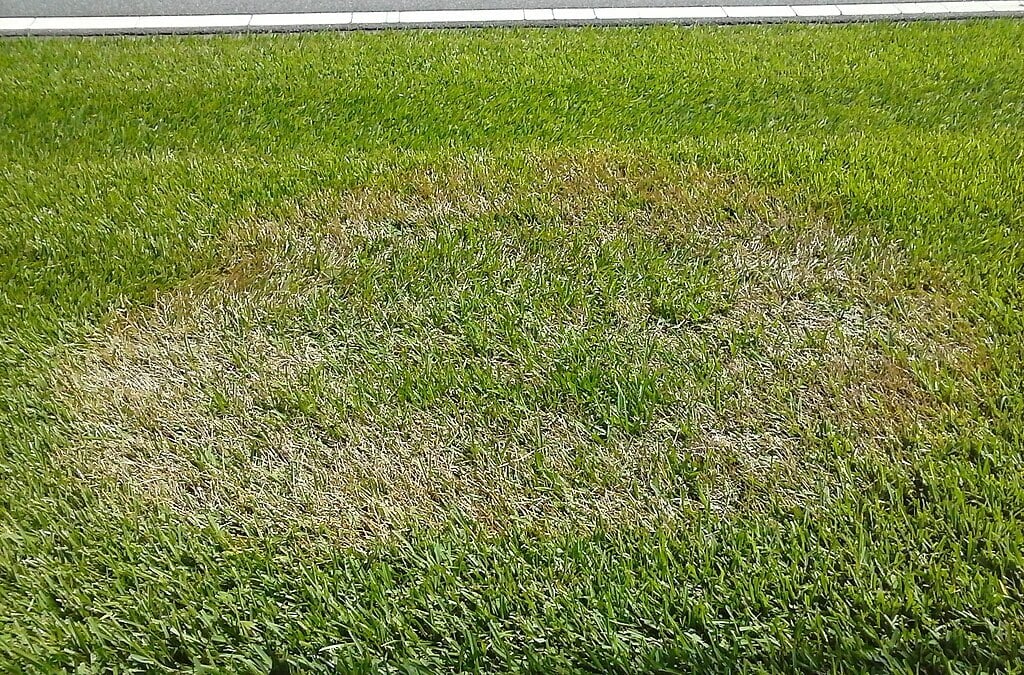
Brown Patch / Rhizoctonia solani: The most prevalent summer disease in Western New York, Brown Patch attacks tall fescue and ryegrass primarily, though it can hit bluegrass too. It thrives when nighttime temps stay above 70°F and high humidity and wet conditions are present – circumstances that Rochester's July and August create regularly. It appears as roughly circular patches of tan/brown turf, often with a darker "smoke ring" border at the outer edge of active spread.
Once you’ve properly identified the lawn disease affecting your grass, you can build an effective treatment plan that tackles the disease and gives your yard a chance to recover.
Remember, proper lawn fungus treatment hinges on accurate lawn disease identification. From there, it’s a matter of applying the right fungicide and correcting the conditions that led to the problem in the first place.
Among the root causes of lawn fungus are environmental factors, like poor airflow, improper drainage, and overwatering. Understanding these factors and being cognizant of them as you care for your lawn can work wonders for your grass, especially when pre-existing fungus has been eliminated.
Whether you have effectively dealt with fungus or are hoping to avoid it in the first place, applying lawn fungus prevention tips can set your Western NY property up for success. While there is a slim chance that your lawn has unique circumstances stacked against it, the more likely scenario is that consistent lawn care and maintenance are the key to a healthy yard.
Fungus thrives in moist environments, so regulating your watering is critical. Do not overwater your lawn, and try to avoid irrigating at night. Both mistakes allow water to stay on the lawn too long, creating the perfect atmosphere for fungus to develop.
The most common soil type here in Rochester only worsens the moisture issues. Because the soil in our area contains heavy amounts of clay, it is susceptible to compaction and lacks permeability. This can cause standing water to occur, prevent grass from getting the nutrients it needs, and otherwise diminish the health of your landscaping while promoting an environment that favors fungus.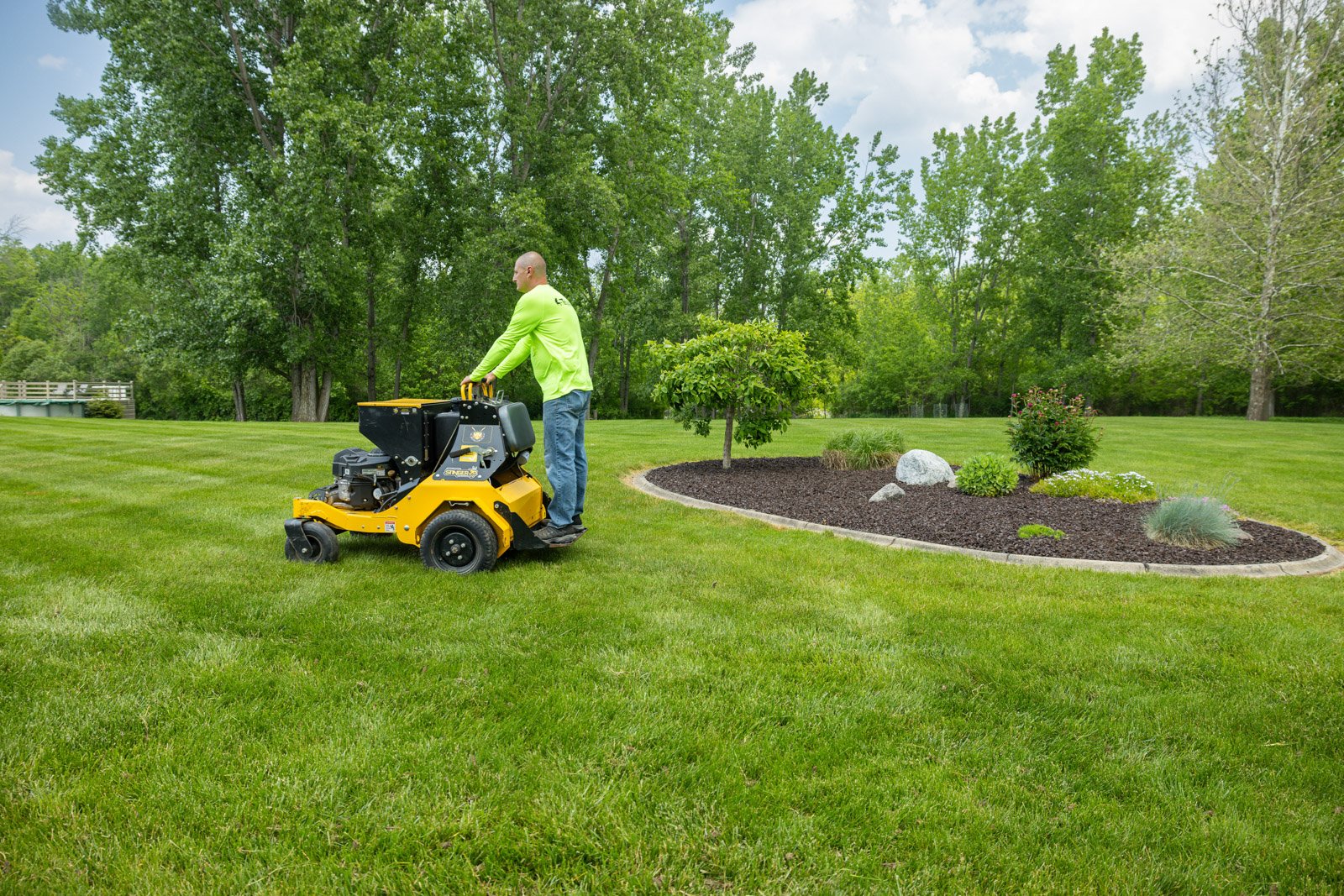
Taking steps to combat soil compaction, such as aeration, can make a significant difference in the health of your lawn and the prevention of fungus.
Mowing to the proper height also helps maintain the health of your lawn. Cutting grass too short creates a favorable environment for fungus. A professional lawn care service should know how to perform proper maintenance that simultaneously improves your landscaping while limiting the possibility of all lawn fungus types.
Lawn disease is a broad categorization that includes fungi and other issues that can harm your grass. In other words, lawn fungus is a type of lawn disease, but it is not the only kind of lawn disease.
Lawn fungus can appear in a variety of ways. The most common signs of fungus in lawns are brown and yellow patches, circular dead spots, and thinning turf. Mushrooms, slimy growth, and a powdery coating on grass blades can also indicate some type of fungal problem.
Brown Patch is the most common lawn disease in the Rochester, NY, region. It appears as a circular patch of grass that is dead (typically brown).
Many times, lawn fungus can clear up on its own without the need for fungicides. However, if conditions remain favorable it will likely spread throughout your lawn, wreaking havoc if it's left unchecked. It’s best to consult with your lawn care professional about how to address these issues properly.
Lawn disease control is absolutely essential to the appearance and health of your home. To ensure that your grass remains healthy and beautiful, it is best to invest in professional lawn care in Rochester, NY, Monroe County, and surrounding communities where lawn fungus is common.
Trimline has over 25 years of experience in the Western NY area, and in that time, we have seen just about every lawn fungus type imaginable. Whether you are currently fighting a frustrating lawn disease or want to implement lawn fungus prevention precautions preemptively, we are here to help.
Not sure if your grass is fighting a lawn disease? Fill out our free quote form today to discuss your lawn care needs. Our team of experienced, passionate professionals is prepared to help you achieve your lawn goals!

Image Sources: pink snow mold, brown patch disease