The moment you feel that first warm breeze blow down your street, you probably feel ready to ditch the shovels, put your snow boots away for the season, and bust out the planters. Spring is coming, and you’re ready for it.
But if you’re an experienced Rochesterian, you already know that the first whisper of spring is usually a tease.
Maybe you’ve been burned in the past. One week, you’re planting flowers and watching your landscape blossom back to life after a winter under the snow.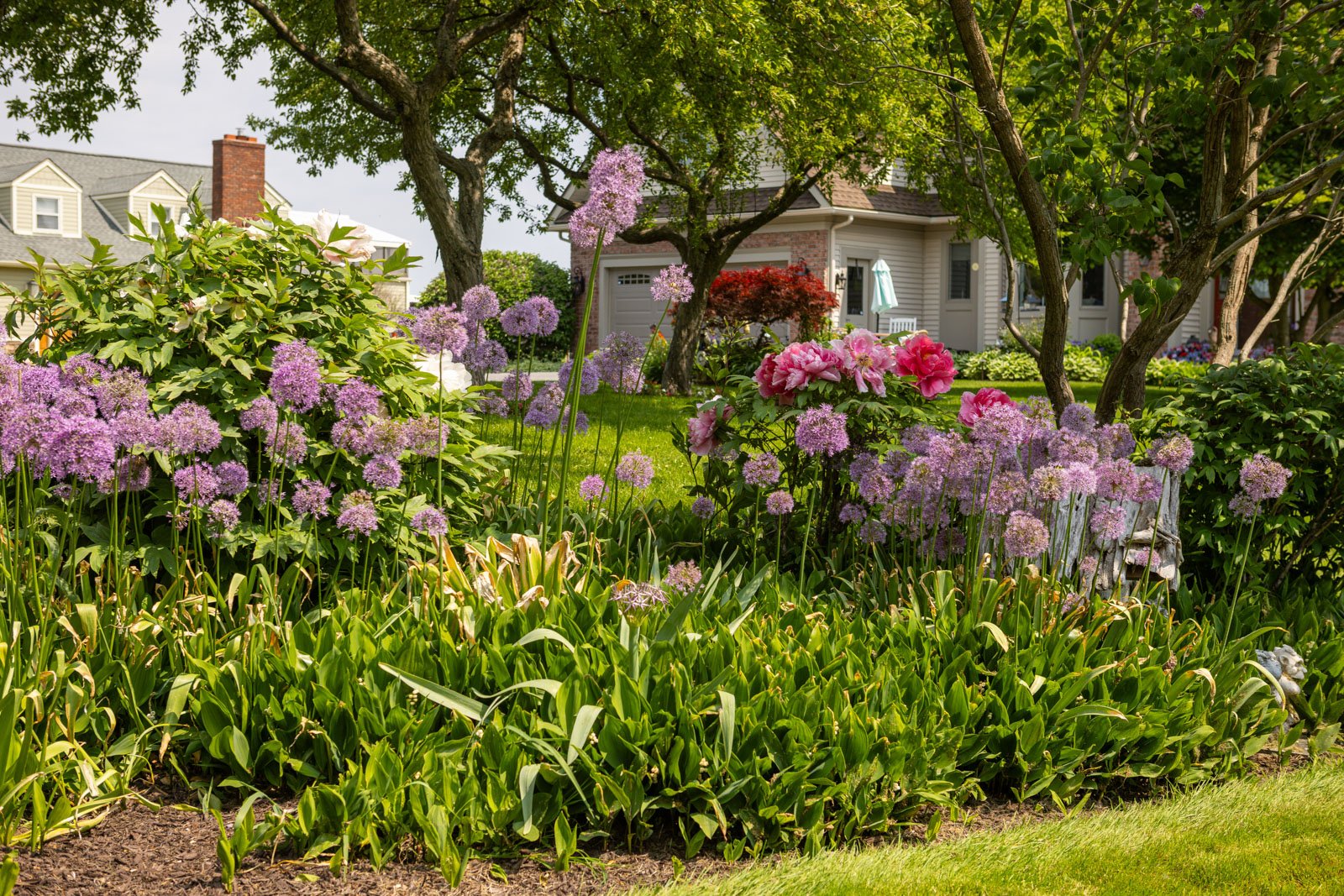
The next? Temperatures dip suddenly overnight, and, wouldn’t you know it, now there’s frost on your beautiful plants.
Late spring frost isn’t just possible in Western NY - it’s expected. And for homeowners across Rochester, Monroe County, and the surrounding communities, being underprepared (or trusting early spring warmth) can undo weeks of hard work in a single night.
But with the right approach, most frost damage is preventable (or at least manageable).
If you’re ready for a go-to guide on what frost can do to your plants, what happens in our area locally, and what you can do to protect your landscape before it’s too late, this is the perfect starting point.
Jump to:
Why Spring Weather is Still a Real Risk
The Temperature That Causes Frost Damage to Your Plants
The Damage Frost Can Do to Lawns, Flowers, Trees, and Shrubs
Protecting Your Plants from Frost Damage
When Does the Threat of Frost End in Rochester?
What to Do If Your Plants Experience Spring Frost Damage
FAQs About Spring Frost
Partnering with Trimline for Plant Health Care
Why Spring Weather Is Still a Real Risk in Western New York
Spring is an unpredictable season by nature – but especially in our part of the country. Even after a stretch of the sunniest weather (think: 60-degree days!), our nighttime temperatures can plummet fast. These temperature swings are especially common in April and early May – when we think it’s warming up but the nighttime temps still drop.
The problem with these sudden temperature dips is that the pendulum swing can create ideal conditions for frost formation, particularly in open or low-lying areas.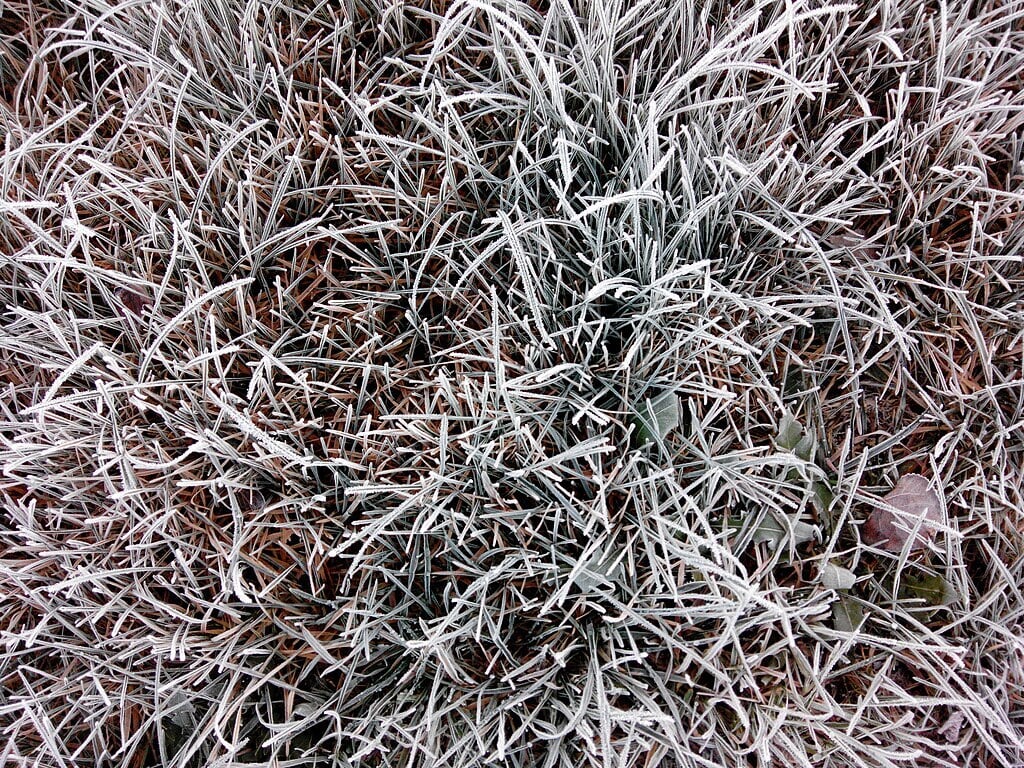
That’s why experienced homeowners and professional landscapers know to never fully trust early spring warmth. It’s alright to be hopeful, but when it comes to plants and landscapes, you should always err on the side of caution.
If you’re new to our area or anywhere in Monroe County, know that it’s not uncommon to see frost well into May.
And if you’ve already put in the work to get your plants to start growing, that time frame is precisely when they’re most vulnerable.
The Frost Point: The Temperature That Causes Frost Damage to Your Plants
Frost isn’t a one-size-fits-all condition – there are certain points that can be damaging to your plants. And to understand frost, you have to understand temperature thresholds first.
Here’s a quick breakdown of temperature thresholds that might be helpful!
-
32°F (0°C): Frost can begin forming on plants
-
30–32°F: Light frost that may damage leaves, buds, and flowers
-
28°F or lower: Hard freeze, which can cause severe damage or kill plants entirely
That means 32º isn’t always a frost dealbreaker – but it’s dangerously close to causing issues.
What’s Really Considered a Hard Freeze in Western New York?
As we laid out in our handy bullet point above, a hard freeze threshold occurs when temperatures drop to 28°F or below for several hours. It’s not as simple as a quick dip into the high 20ºs – it does need to hold there to cause major damage and it usually occurs overnight.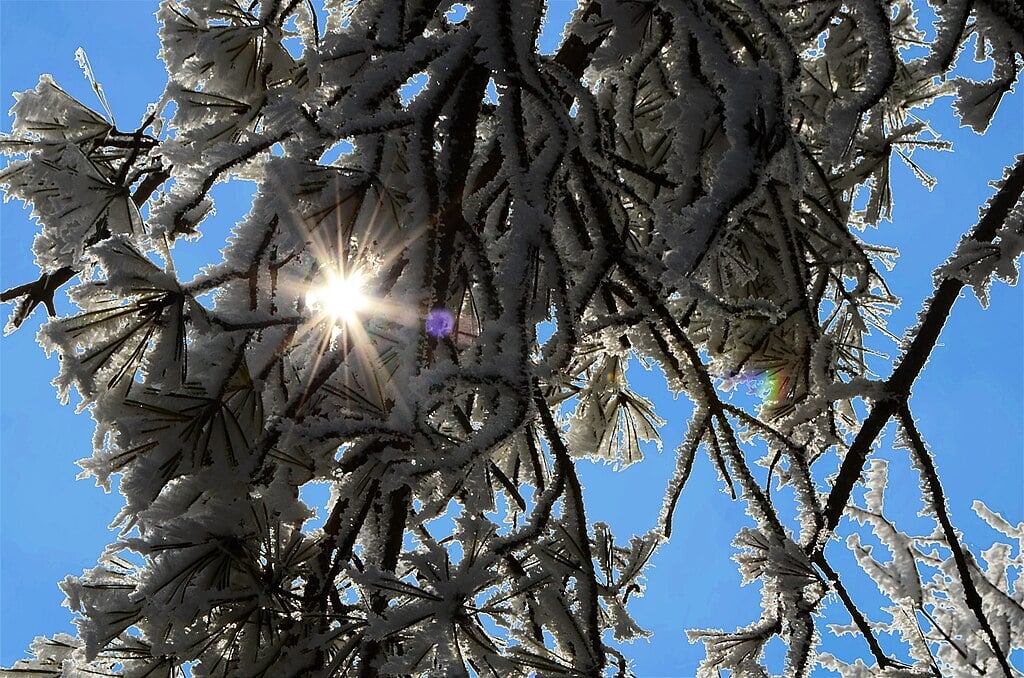
At that point, plant cells can freeze and then rupture, which ultimately leads to issues like blackened leaves, dead buds, and even permanent damage to younger or newly planted flora and fauna.
The Frost Problem: The Damage Frost Can Do to Lawns, Flowers, Trees, and Shrubs
Don’t get us wrong, frost isn’t a great condition for most plant life – but it does impact plants and vegetation differently. Some types of landscape might struggle through frost damage but bounce back quickly. Others? They might not have the same prognosis for recovery.
Here’s a quick look at how frost typically impacts different parts of your landscape. Remember, these aren’t guarantees – with any plant, underlying conditions could impact how a normally hardy plant reacts to frost. These are just typical, expected guidelines to learn from.
How Lawns React to Frost & Frost Damage
You might not assume this immediately, but most of the established lawns in Rochester have the potential to be surprisingly resilient.
We know, we know – it feels like even small miscalculations in fertilizer or weed treatment can ruin your lawn. And if that’s the case, why would it be able to stand up to hard frost?
For starters, cool-season grasses (like Kentucky bluegrass and fescue) were basically created for fluctuating spring temperatures. A light frost usually won’t cause long-term damage.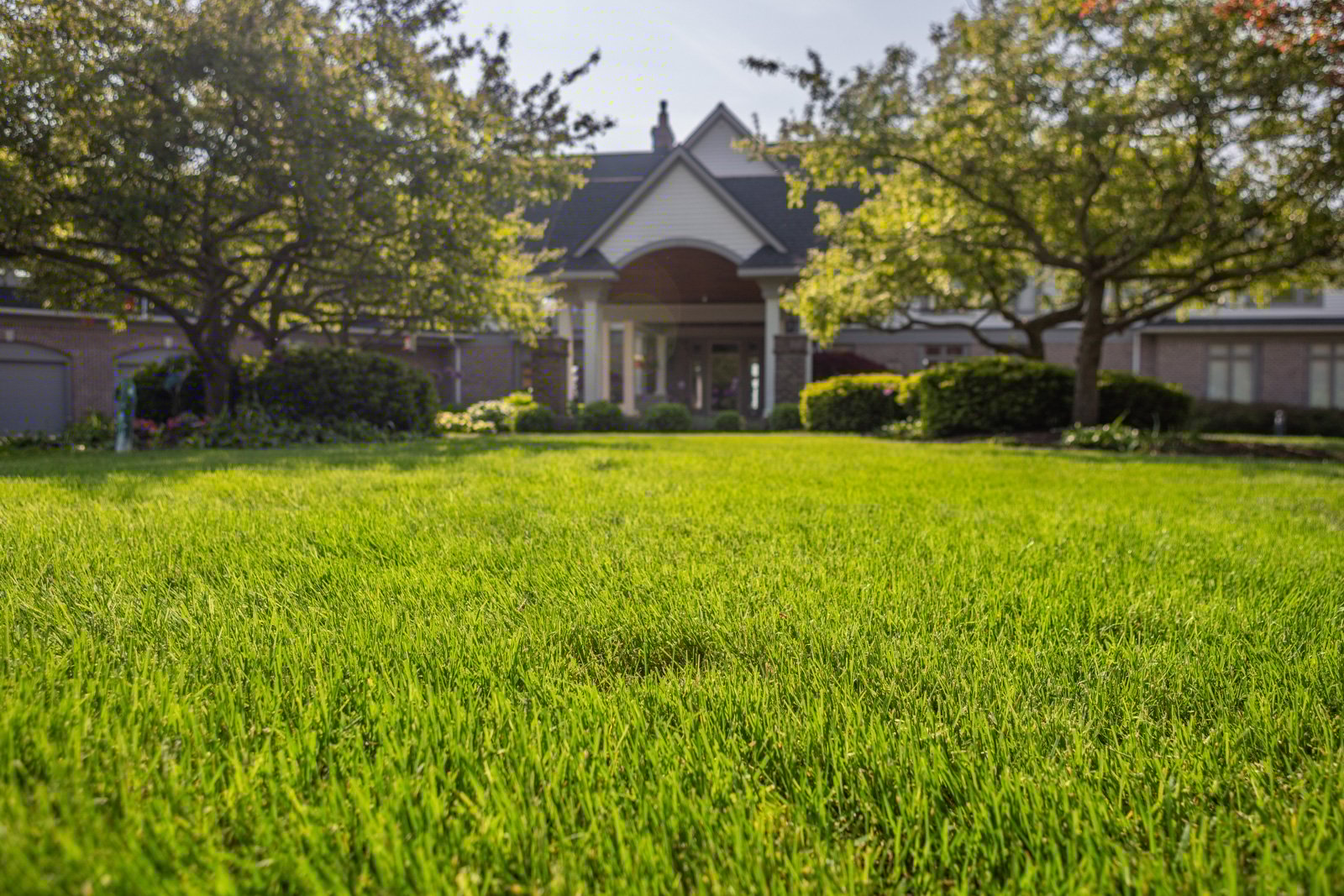
However, you can cause further damage post-frost by:
-
Walking on frost-covered grass can damage blades
-
Repeated freeze-thaw cycles can stress turf
-
Early spring fertilization becomes even more important for recovery
How Flowers and Annuals React to Frost & Frost Damage
Typically, flowers and annuals get the brunt of the frost damage. In other words, this is where frost becomes a real headache.
Newly planted flowers and tender annuals are extremely sensitive to cold. That means that even a light frost can cause damage that:
-
Wilts petals overnight
-
Blackens leaves
-
Kills the plant entirely
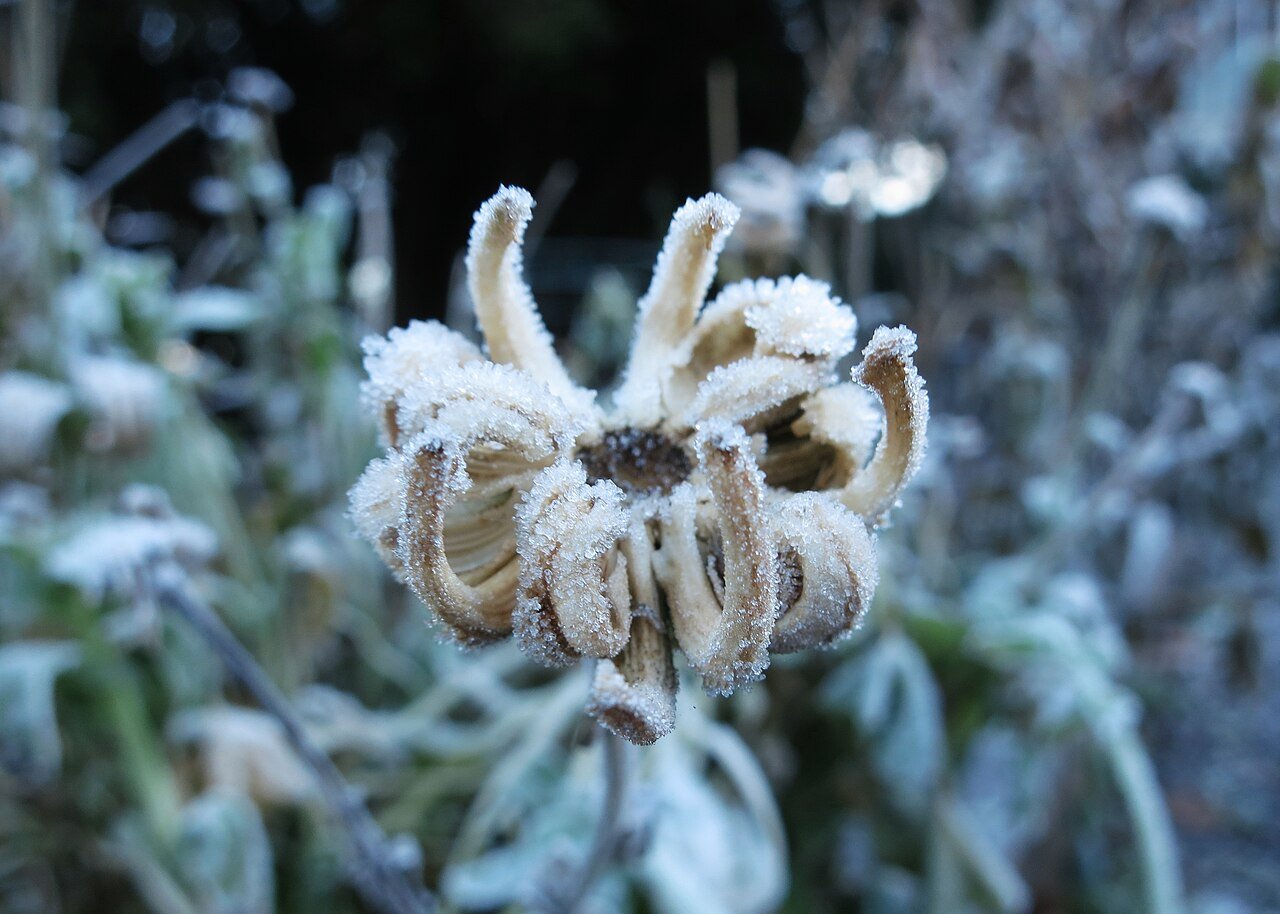 If you’ve planted early in the season (accidentally or intentionally), you need to invest in frost protection for your annuals and flowers, or else you can assume they’ll be substantially damaged by a light frost.
How Perennials React to Frost & Frost Damage
Perennials in our area are especially vulnerable to frost damage. Popular choices like hostas, daylilies, or peonies become even more vulnerable once new growth has emerged.
A quick blanket of frost (even light frost) can damage early shoots. The good news? In most cases, the root system can survive the hardship. For your plants (and your landscape plans), that means recovery is possible. But it’s highly likely you could still damage your plant or delay or reduce its blooming possibilities.
How Trees React to Frost & Frost Damage
Trees are hardy and capable of surviving frost, but ultimately, it depends on the health, age, and type of tree, as well as the timing of the frost. 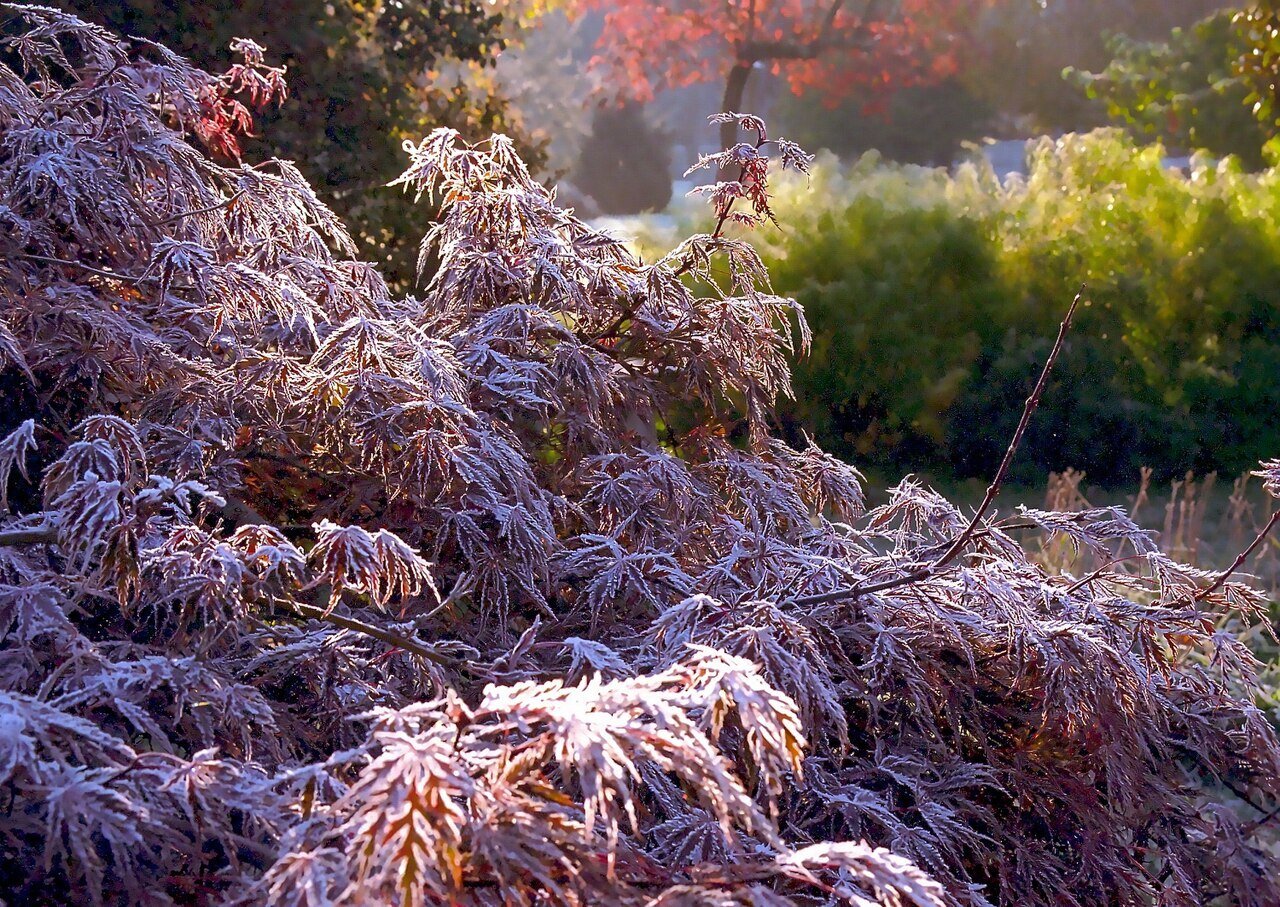
Established trees are, as you might expect, generally pretty hardy – but early budding makes them vulnerable to frost damage. And when this does happen, frost can:
A few of the species typically affected by frost in our area of Monroe County include magnolias, Japanese maples, and flowering cherries and plums.
How Shrubs React to Frost & Frost Damage
When we’re talking about frost, the impact on shrubs tends to fall somewhere in the middle.
Like trees, while established shrubs are usually durable and hardy, new growth on shrubs is exceptionally vulnerable.
And we can’t talk about shrubs without talking about roses. Rose shrubs, in particular, are highly susceptible to frost damage. Tender new shoots and buds can be quickly burned by drops into colder temperatures, which will impact their growth and blooming cycle for the entire season.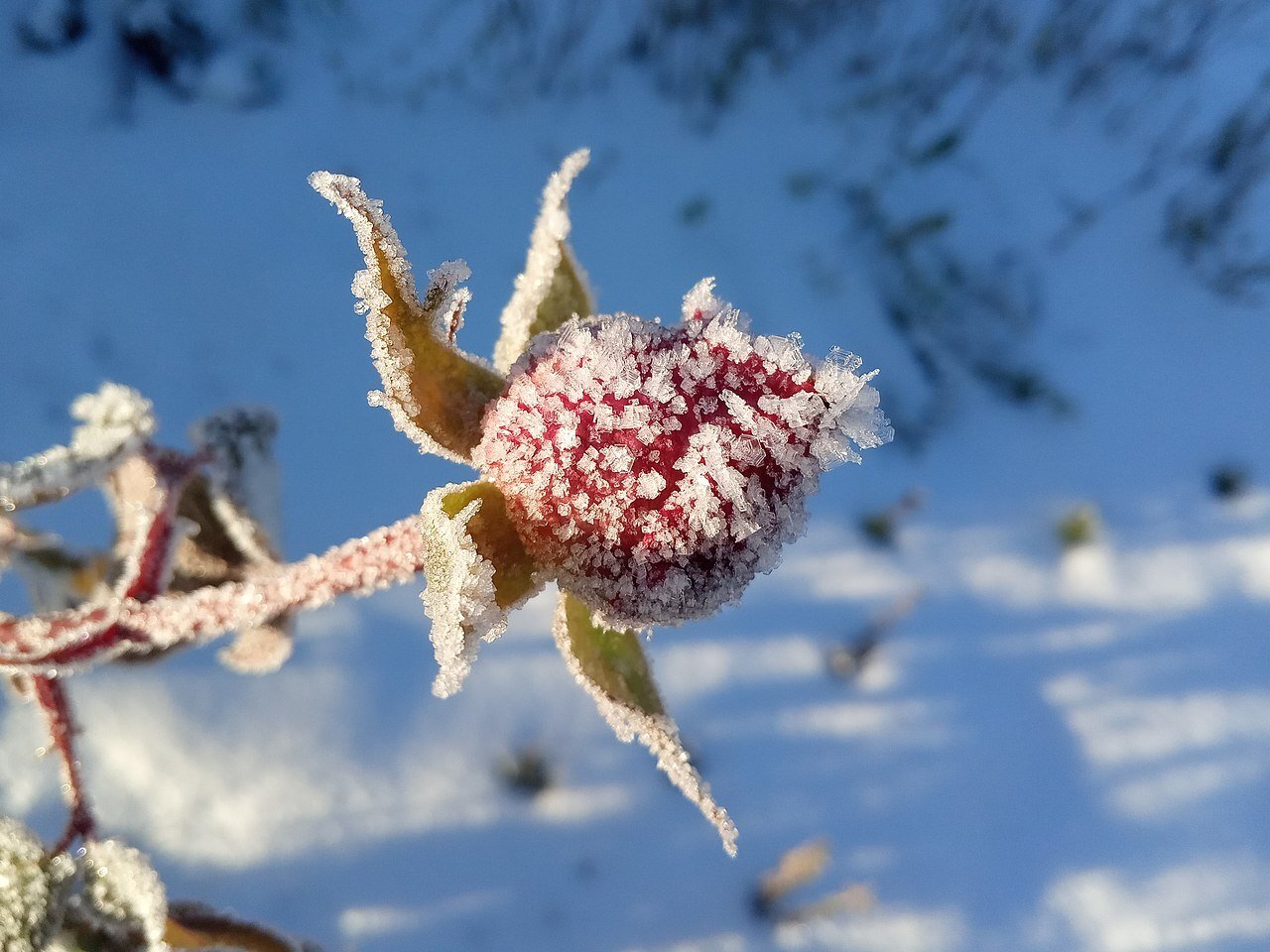
Just like roses, hydrangea shrubs are another very common concern in our part of the country, especially the varieties that bloom on old wood.
Protecting Your Plants From Frost Damage: Our Step-by-Step Guide
The first step in protecting your plants is staying informed on the weather. You can’t predict everything, but a quick temperature check the day or night before can make all the difference for your landscape.
In other words, if frost is in the forecast, being prepared matters.
Here are some of the most effective ways to protect your plants from frost in Western New York.
Step One: Cover Plants Overnight
This strategy is tried and true for a reason – it’s effective!
Covering your vulnerable plants when the temperatures might dip can help prevent a layer of frost from killing your new growth. To do this, all you need are:
-
Frost cloths
-
Bedsheets
-
Lightweight blankets
When covering your plants, make sure whatever you’re using to shield the plants reaches the ground to trap heat in. This helps create a small, manageable pocket of warmer air around the plants.
And don’t forget to remove those covers in the morning to prevent overheating.
Step Two: Use Buckets or Containers for Smaller Plants
If you’ve got a collection of smaller flowers in tiny garden beds, try covering them or shielding them with upside-down buckets, pots, or containers over plants.
This works especially well for newly planted annuals or vegetable starts. You can replicate that heat pocket the sheets would create on a smaller, more concentrated area.
Step Three: Water the Soil Before a Frost
 You might think we’re crazy, but hear us out. Moist soil actually holds heat better than dry soil. So if you know a frost is in the forecast, watering earlier in the day can help your soil to retain warmth overnight and ever so slightly raise the temperature around plant roots for extra protection. Just don't forget to disconnect the hose from the spigot when you're done!
Step Four: Apply Mulch Around Plants
We consider mulch one of the greatest natural insulators of all time. If you can, add mulch around your plants to help with:
We highly advise this for landscapes with shrubs and perennials that might need an extra layer of protection.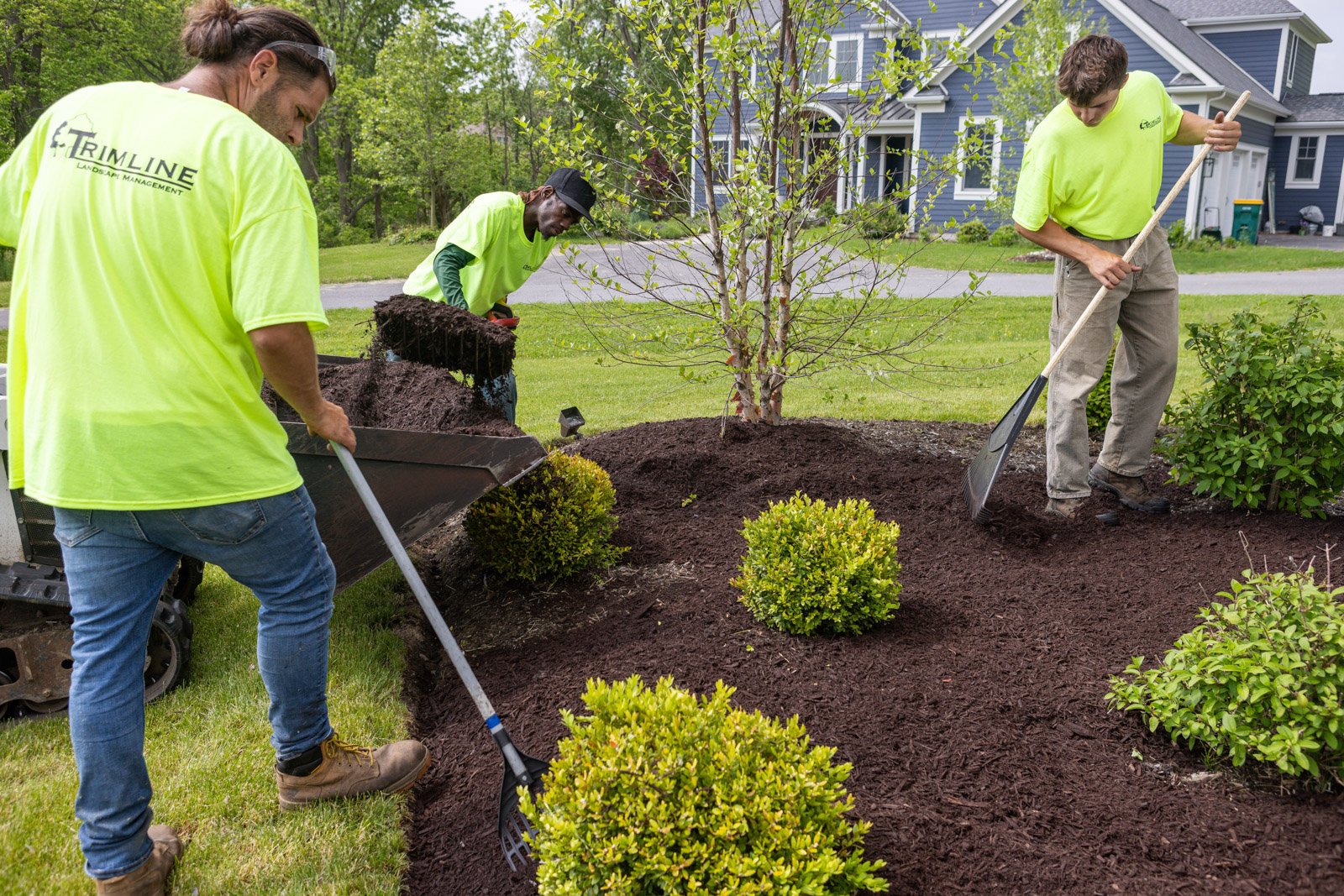
Step Five: Choose Sheltered Plant Locations
This strategy is a bit more long-term focused, so it might not work in a pinch. But if you have the luxury of planning out your landscape design for future frosts, remember that plants near homes, fences, and windbreaks are a lot less exposed to cold air and frost.
Open lawns and low areas are more likely to experience frost buildup, so if you’re able to work with a landscape designer (or choose strategic locations yourself), always opt for sheltered plant locations.
When Does the Frost Threat End? The Last Frost in Rochester, NY
We’d love to be able to give you a definite answer on this, but the weather is unpredictable – no matter how far meteorology advances. What we can tell you is that, when we look at the data, on average, the last frost date in Rochester is typically somewhere between May 1 and May 15.
Importantly, though, average isn’t a guarantee. Late frosts can – and do – happen after this window, especially during a colder spring season.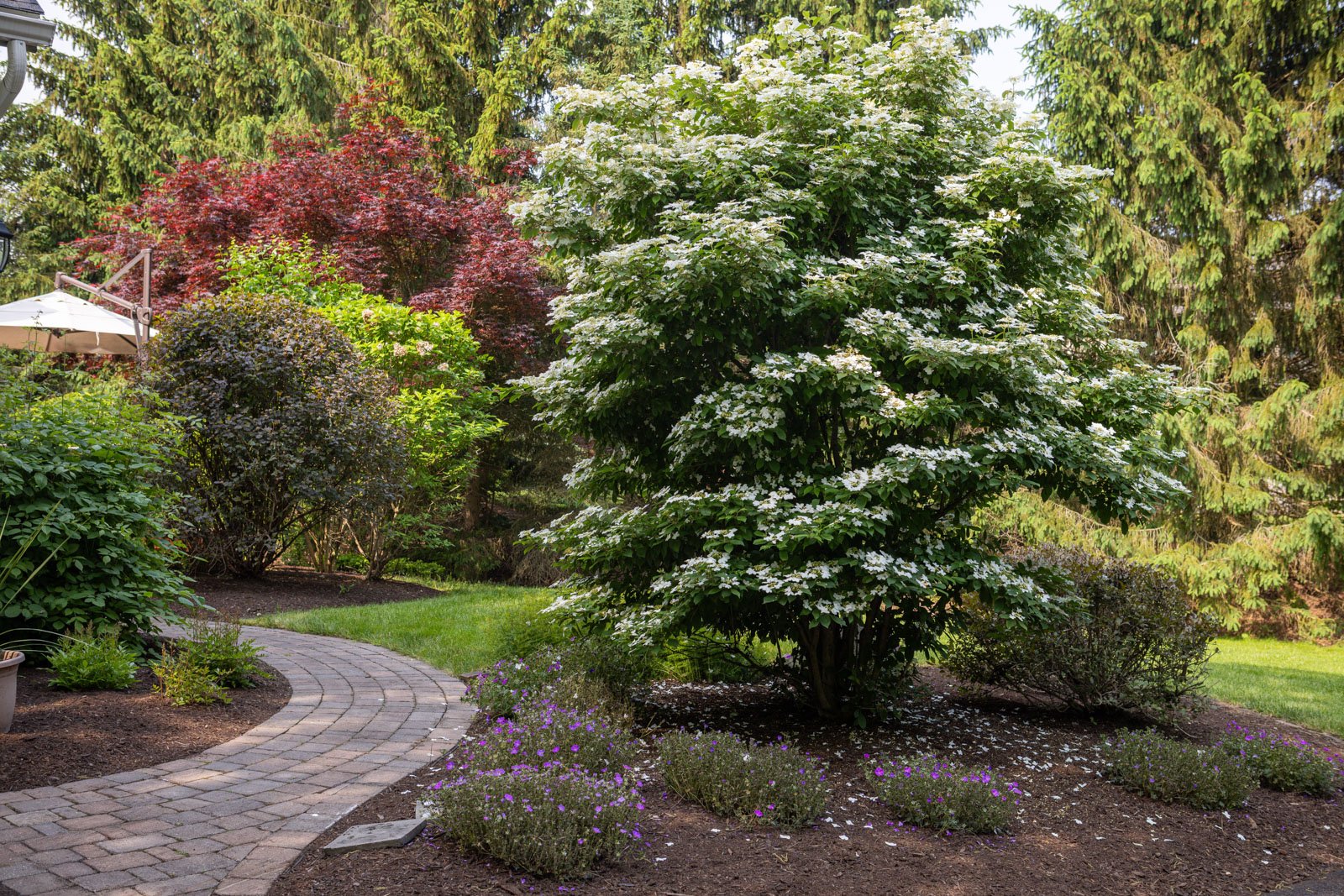
That’s why we always suggest that homeowners wait until mid-to-late May before planting sensitive flowers or writing off winter weather for good. After Mother’s Day is usually a pretty good threshold.
What to Do If Your Plants Experience Spring Frost Damage
Let’s say that you did everything right, but a random, surprise frost happened in the early hours of the morning. You didn’t cover your plants, but when you wake up, you can feel the chill in the air.
You’re terrified you’re going to walk out to frost-covered plants. What do you do? First, don’t panic – your plants may be in a great position to recover.
Here’s what we’d advise you to do if you’re dealing with a surprise frost-covered plant in the morning.
Avoid Pruning
It’s true that damaged leaves may look dead, but they can still protect the plant. We highly advise against immediate pruning so that you can see what’s truly damaged over the course of a few days. Don’t fall victim to the desire to get rid of “dead” leaves immediately – they might still be viable!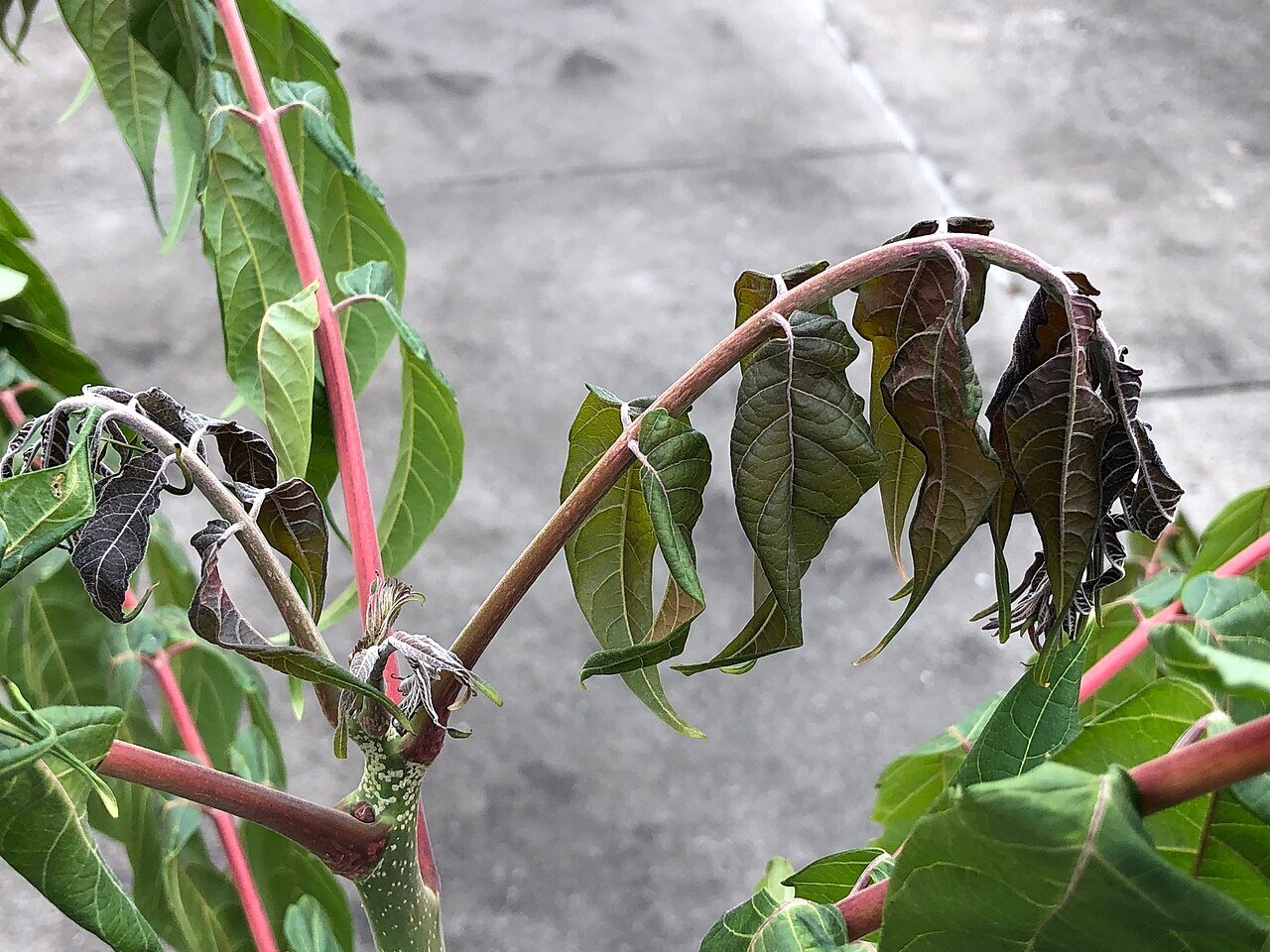
Give Your Plants Time and Space to Recover
As temperatures warm back up, you might find that new growth appears, and your plants might bounce back naturally. Again, be patient. It’s possible that your damaged plants are completely OK!
Resume Your Normal Watering Schedule
Consistent care helps stressed plants recover faster – even if frost damage got them good. We do not advise overwatering, of course, but don’t completely avoid watering them. They can still dry out – and then, all hope might truly be lost.
Remove Dead Growth Later
After you’ve played the patience game and have truly given your plants time to bounce back, it’s time to prune away what’s actually gone for good.
Once it’s clear what’s not coming back, prune off the dead material to help encourage new growth.
Frequently Asked Questions About Frost Damage
What’s actually considered a hard freeze in Western New York?
A hard freeze happens when temperatures drop to 28°F or lower for several hours. Though a light freeze – or even a freezing temperature at 32º can cause damage, a hard freeze is usually what catalyzes the most severe plant damage.
Can trees recover from frost damage?
They sure can – especially if they’re established trees. Typically, it’s the leaves, blossoms, or new growth that feel the consequences of frost damage – but the tree itself can make it through.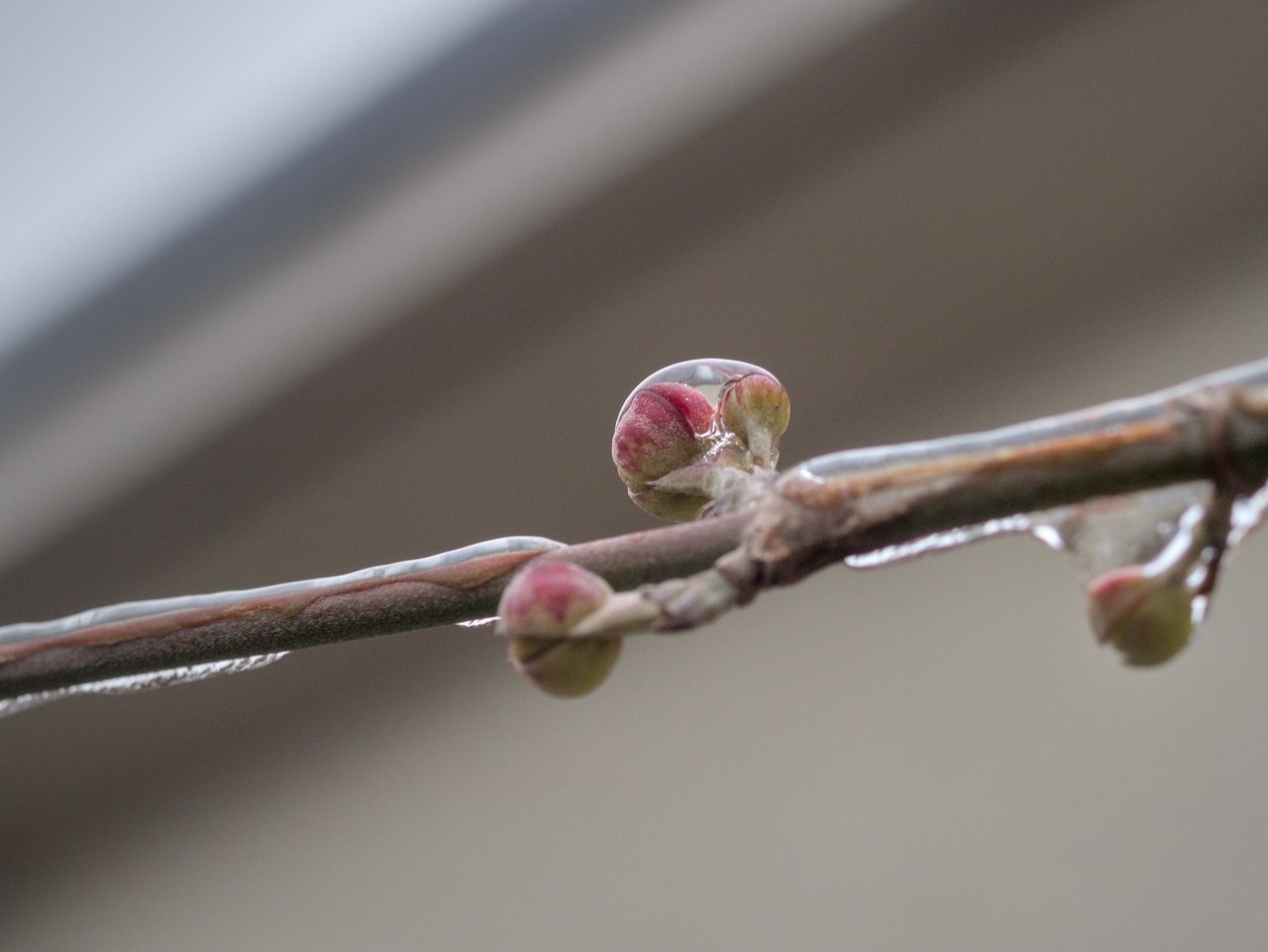
How do I cover plants properly to protect them from frost?
Whether you’re opting for the bucket method or a sheet, the goal is to create a little pocket of heat-retaining area. Try to use breathable materials like sheets or frost cloths, and make sure they extend to the ground to trap heat. Don’t forget about your covers, either. Remove them in the morning before you head out for the day so that you don’t overheat your plants if the sun peeks out and the temperatures warm back up.
Will frost kill newly planted flowers?
Unfortunately, frost can do irreparable damage to newly planted flowers, shrubs, or blooms. Tender annuals and new plantings are particularly vulnerable and may not survive even a light frost.
When is the last frost in Monroe County?
We’d love to be able to give you a precise date, but the weather simply doesn’t work that way. What we can tell you is that, typically, the last frost happens somewhere between early and mid-May. But we have had plenty of late May frosts over the years that were unexpected (and caused surprise damage to landscapes).
Don’t Let One Cold Night Undo Your Spring Blooms - Partner with Trimline
Spring weather is unpredictable – especially in our part of the country. It warms up. It cools down. It warms up again. And then, sometimes, it freezes when you least expect it.
With the right knowledge, a little preparation, and a partner who has you covered, you can protect your plants, preserve your landscape, and avoid unnecessary setbacks.
That’s where professional plant health care plans in Monroe County make a difference.
Our plant care and plant health programs are proactive, so we can help you:
-
Strengthen plants before stress hits
-
Improve soil and root health
-
Reduce long-term damage risks
-
Support consistent, healthy growth
Instead of scrambling every time the temperature drops, we can help you put a plan in place to avoid costly frost damage! Interested in our plant health plans? Fill out our free quote form today to get in touch with the team at Trimline to learn more.

