
- Lawn Care
4 min read
What is the Right Amount of Lawn Treatments for Your Rochester, NY Home?
Most homeowners in Rochester want a lawn that looks thick, green, and healthy, but figuring out how many treatments it a...
Most homeowners in Rochester want a lawn that looks thick, green, and healthy, but figuring out how many treatments it actually takes can feel like guessing in the dark. Between conflicting advice online, companies offering anywhere from four to eight treatments, and DIY products promising quick fixes, it is no wonder you may feel unsure about what your lawn needs.
So, what is the best Rochester lawn care schedule? It is actually much more about the right treatments at the right time rather than the right number of treatments. The key is a balanced, season-specific program that supports growth, targets weeds when they’re most vulnerable, and protects against the challenges of Rochester’s climate.
Let’s break down how many applications your lawn really needs, why timing matters more than quantity, and how a customized approach, like Trimline’s, keeps your grass healthier all season long.
We’ll cover:
DIY Lawn Treatments vs. Professional Lawn Fertilization
How Many Treatments Do I Really Need
Your Rochester Lawn Care Schedule
The Benefits of Partnering with a Professional
When it comes to keeping your Rochester, NY lawn healthy, the number of treatments can matter just as much as the timing. Many DIYers or national chains sometimes apply six or more applications a season, but more fertilizer is not always the answer. In fact, applying fertilizer too frequently can cause rapid thatch buildup, stress your turf, and create long-term soil issues. On the other hand, too few treatments leaves your lawn underfed and far more vulnerable to issues with weeds, drought stress, and thinning.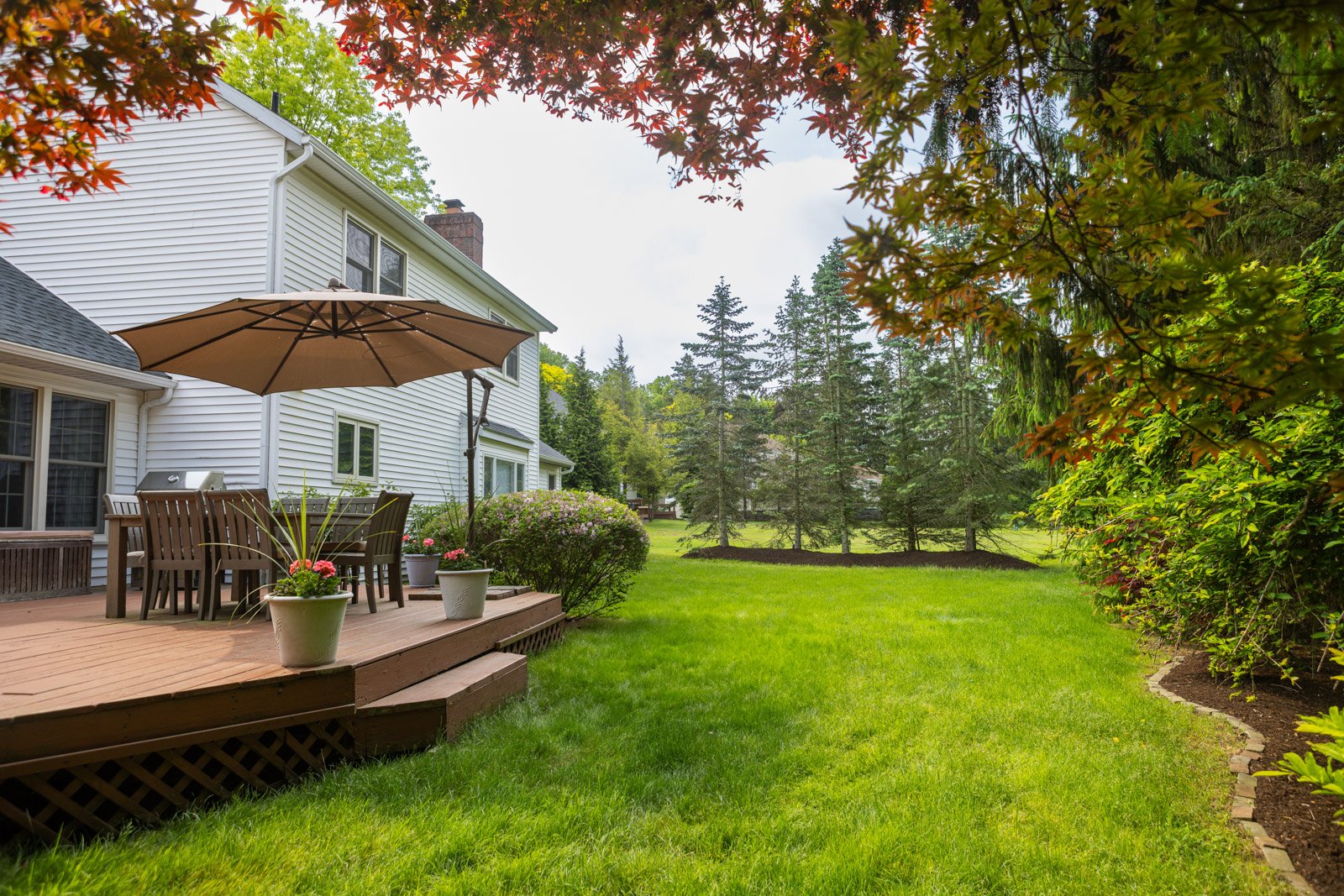
These issues are part of why DIY lawn care, while it can be appealing for budget and convenience, can be tough to get right. Timing, product selection, nutrient balance, and weed-control cycles all matter. Applying the wrong product at the wrong time, or applying it too often, can do more harm than good.
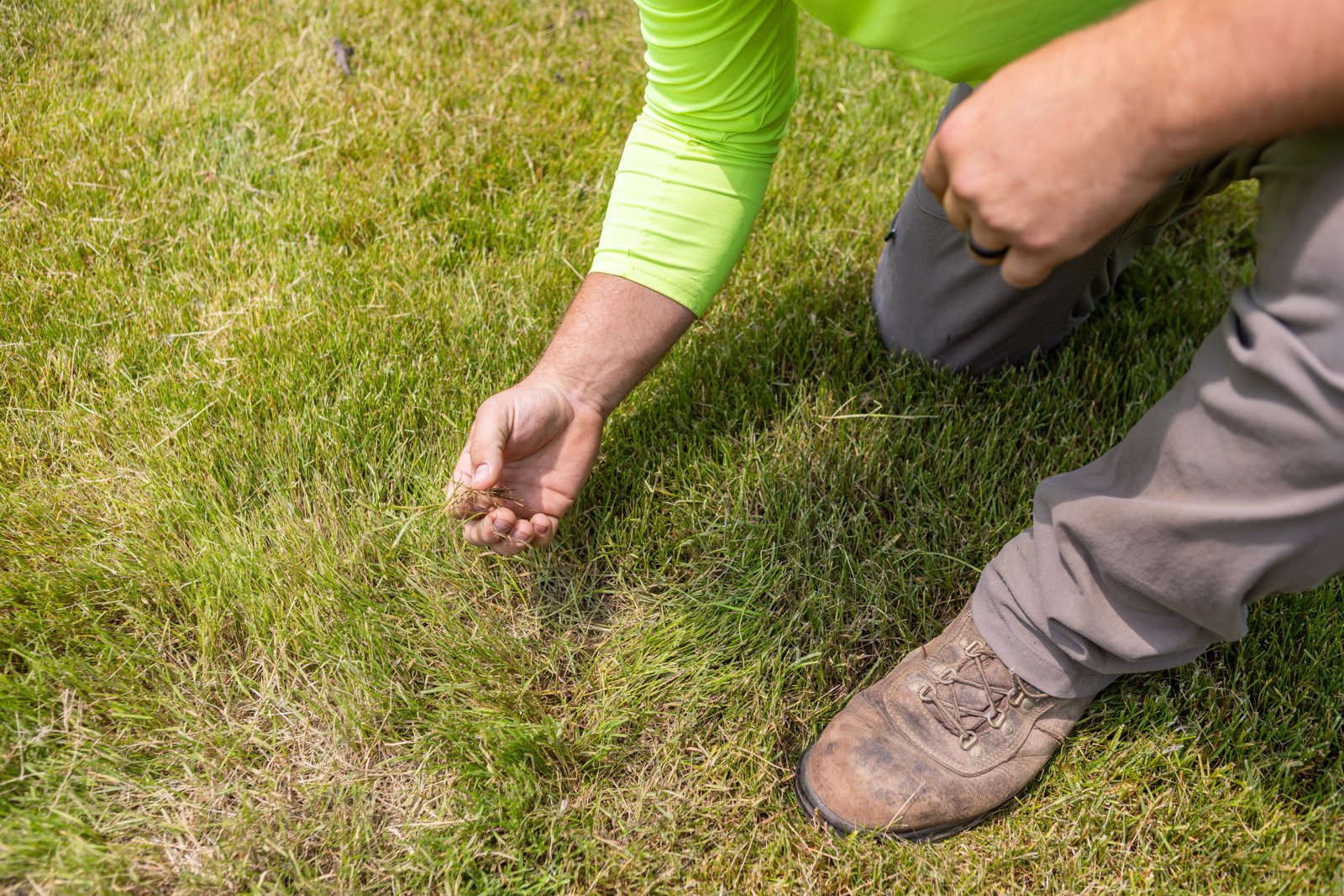
Struggling to know if you are fertilizing too much or too little? Watch for these signs:
It truly is less about the number of lawn applications and more about how often your lawn is treated. For example, at Trimline, our six-visit Silver program is designed so we are on your property every 5 weeks, which keeps your lawn consistently supported while giving us enough touchpoints to catch potential issues early.
When a visit is skipped, the gap can stretch to nearly 10 weeks, and that is more than enough time for problems like weeds, insects, or thinning turf to gain a foothold. Regular check-ins are what helps prevent small concerns from turning into costly repairs.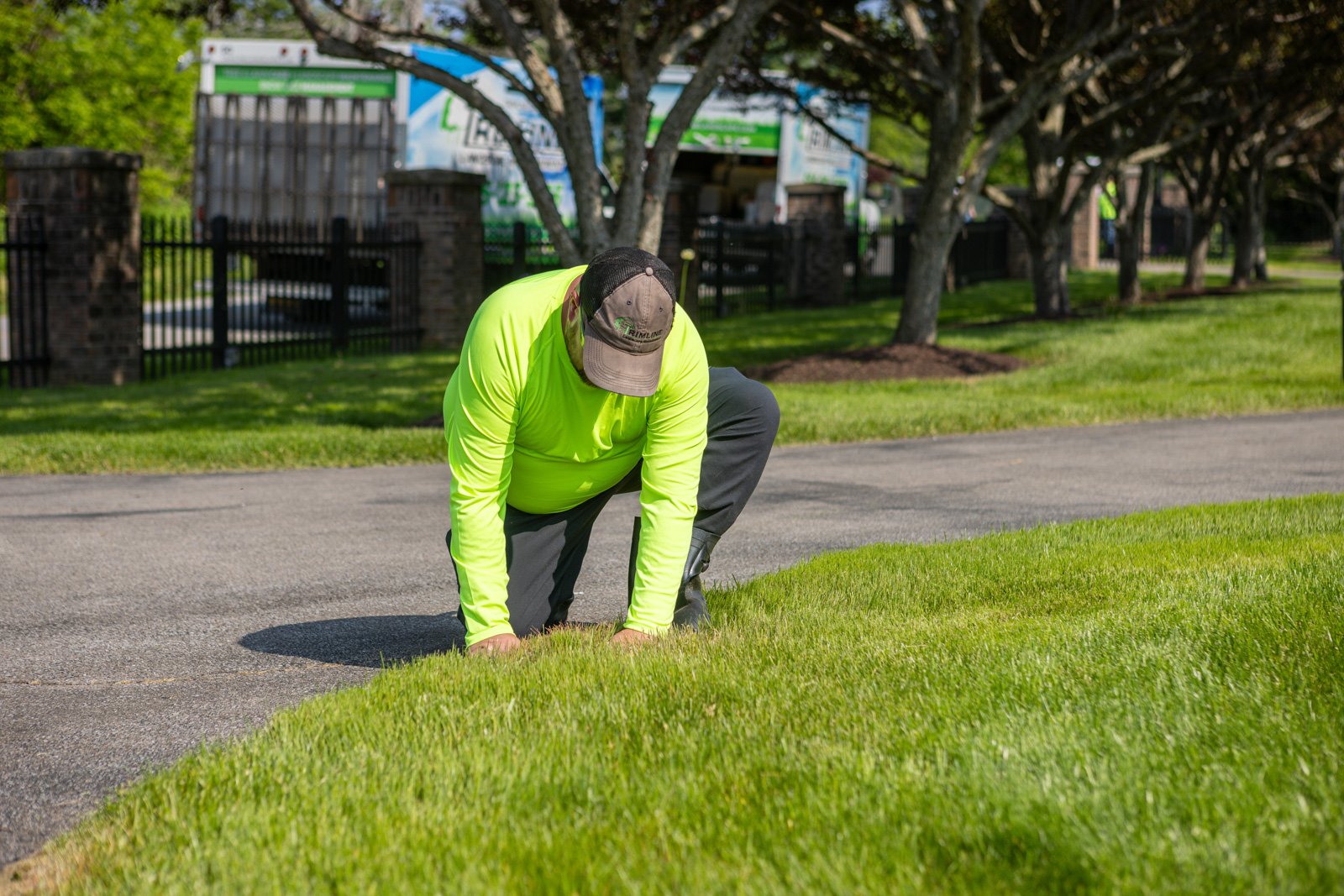
So if you’re asking “how many lawn treatments do I really need?“ - the short answer is at least six to maintain consistency throughout the season. However, if they are not timed right or planned with the right product, six could be too many or too few.
Let’s explore what we offer at Trimline, so you can understand how our program is unique and if it is the right fit for you. The cornerstone of our program is that every single application is different. We don’t repeat the same treatment visit after visit, and we don’t blanket your lawn with weed control unnecessarily throughout the season. Instead, each visit is tailored to exactly what your turf needs at that point in the year, whether it is nutrient support, seasonal weed control, or help recovering from weather stress. By treating weeds when they are most vulnerable, we avoid unnecessary applications and reduce the amount of product your lawn needs to stay healthy.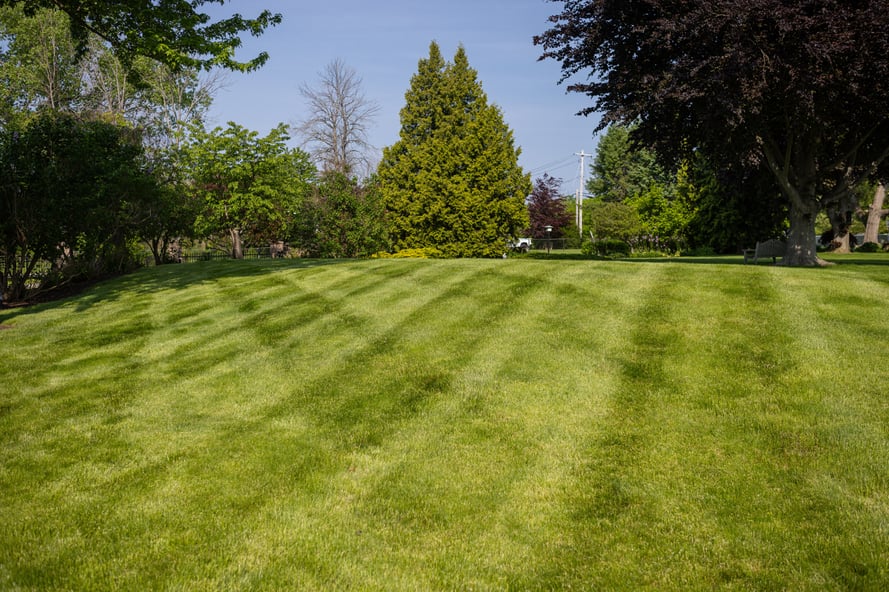
Keep in mind, these date ranges are fluid and dependent on variable conditions such as the weather. Let’s break down what our lawn care routine looks like, so you know exactly what you are getting:
This first application wakes your lawn up from winter dormancy and gives it a strong start. The slow-release fertilizer helps thicken and green up the turf, and healthier, denser grass naturally shades the soil, reducing early-season weeds before they have a chance to take hold. The product used for this treatment is a balanced, high-nitrogen, extended slow-release fertilizer.
We apply this treatment when spring weeds have emerged, and just before crabgrass begins to germinate. Instead of granular products that require watering in, we use a liquid spray for a complete and even coverage. Our technicians go over the entire lawn to target emerging weeds and ensure full protection with the pre-emergent. This method starts working immediately and greatly reduces the amount of pesticides needed throughout the rest of the season. The product used for this treatment is liquid broadleaf weed control and crabgrass pre-emergent.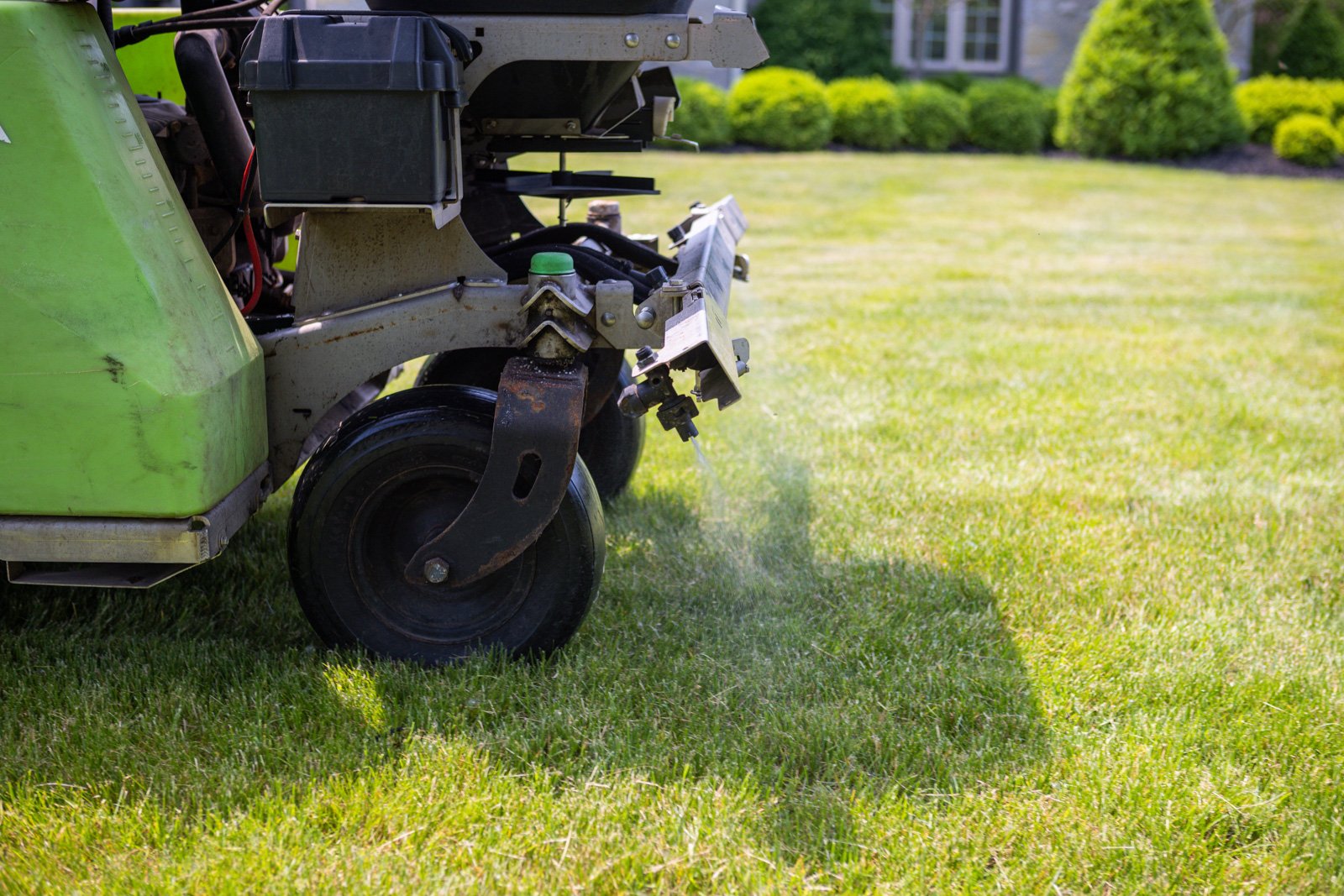
As spring growth slows, this application provides a nutrient boost to keep turf thick and vibrant heading into summer. We also apply a grub preventative to stop grub damage before it starts. Because most weeds were handled during the late spring visit, we only need to spot treat problem areas, typically along driveways and sidewalks, where heat stress makes turf thinner. The product used for this treatment is a premium slow-release fertilizer and grub preventative.
This treatment supports your lawn through the hottest part of the year. The premium fertilizer helps maintain green color, while added potassium aids in recovery from heat or drought stress. We continue to spot treat for weeds or crabgrass in bare or heat-stressed areas to keep the turf clean and healthy. The fertilizer product used for this treatment is a granular fertilizer focused on color and stress recovery.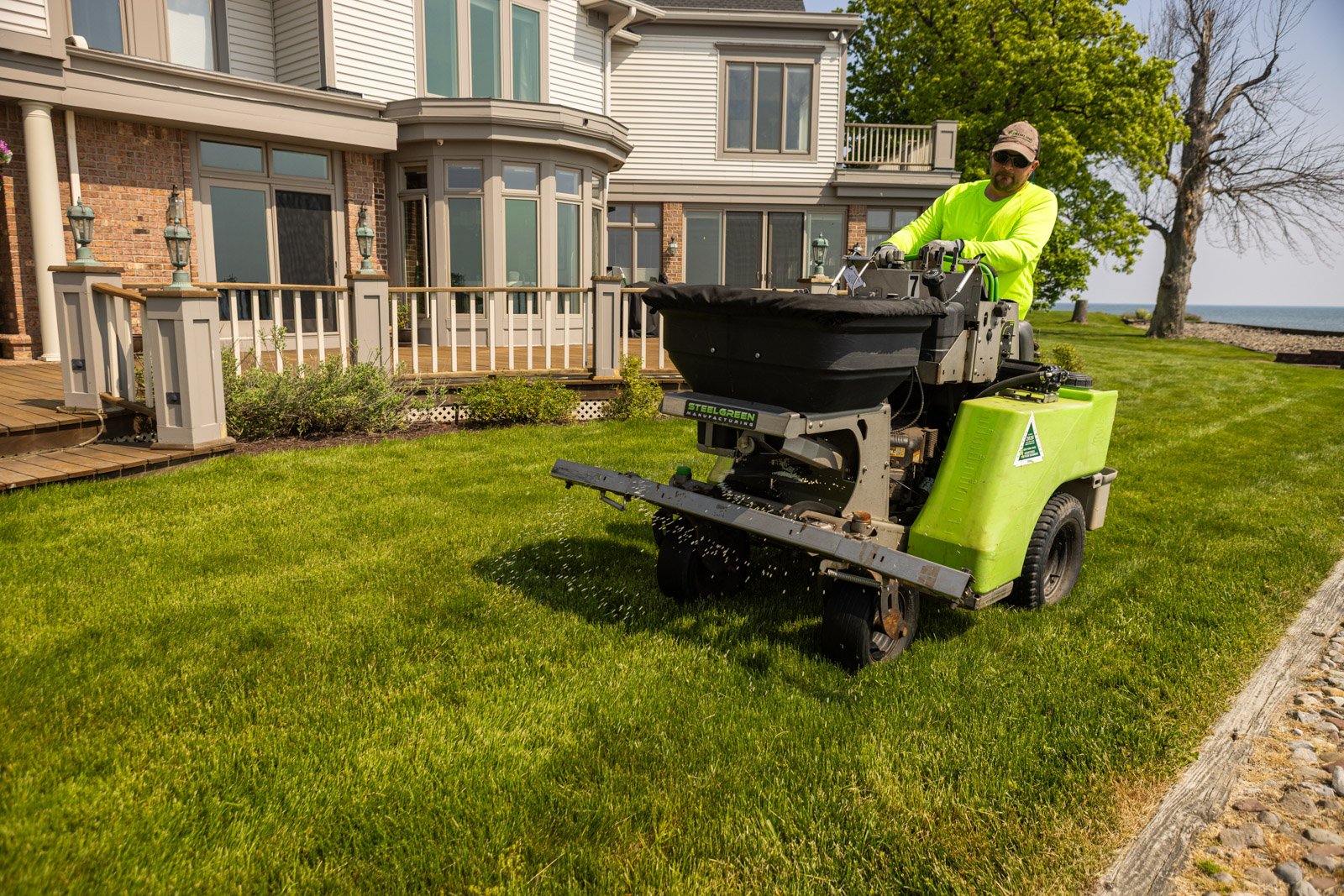
Some weeds, especially winter annuals, germinate later in the season, and drought-stressed lawns are more vulnerable. This liquid weed control application delivers complete coverage to remove late-season weeds and reduce competition against your grass. It promotes a thicker fall lawn and helps significantly cut down on weed pressure the following spring. This product formulation is a liquid broadleaf weed control for fall and winter needs.
The final application prepares your lawn for the cold months ahead. This fertilizer strengthens roots and shoots for improved winter survival, ensuring the turf comes back healthier and more vigorous in spring. This final formulation is a granular fertilizer built for winter strength.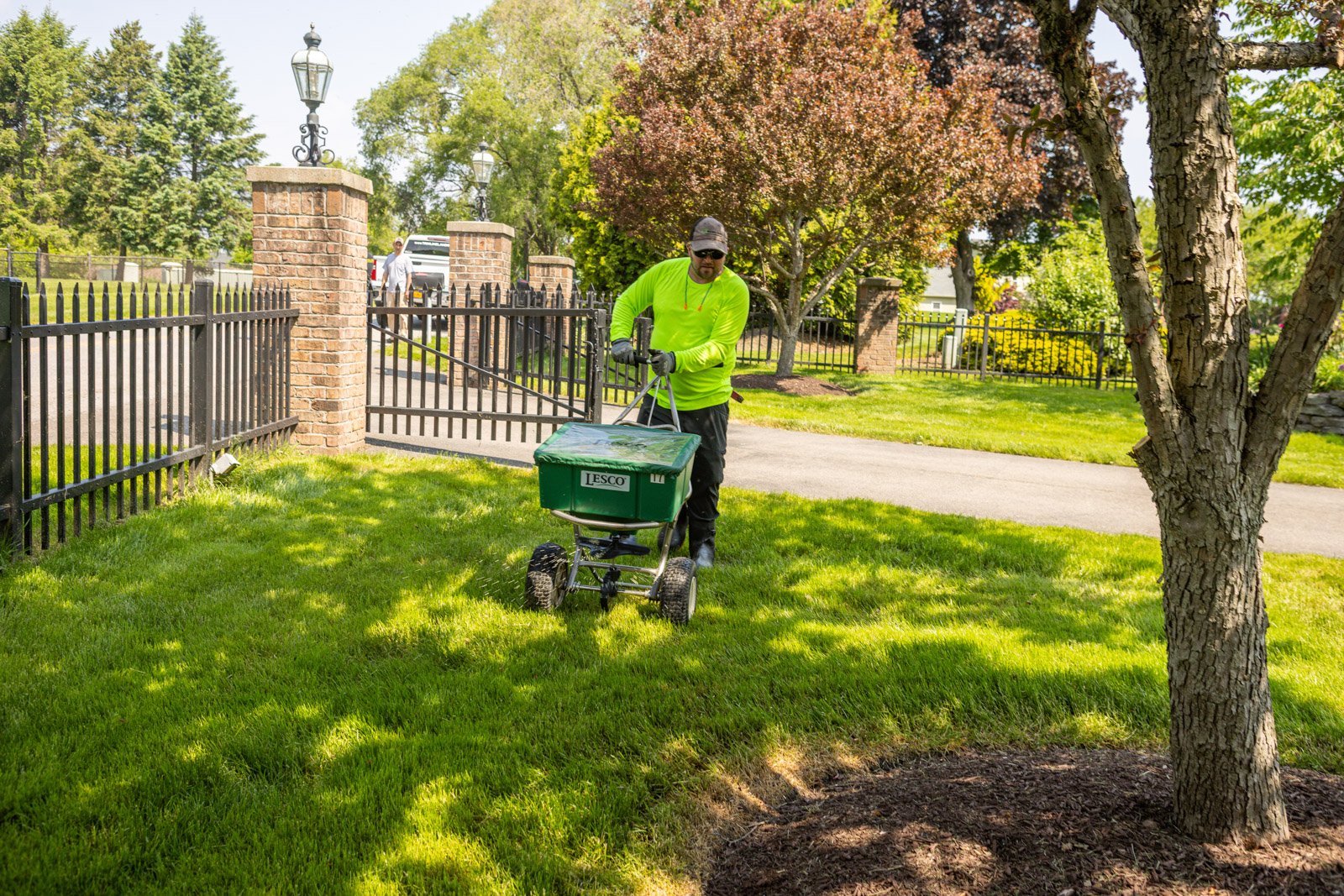
While lawn fertilization in Rochester might seem simple on the surface, effective, long-term lawn health depends on precise timing, correct product selection, and an understanding of how Rochester’s unique climate affects turf growth. Getting it right is more than just throwing down some fertilizer that you grabbed off the shelf of your local hardware store. It is important to know when, how much, and what type of lawn application your turf needs throughout the year.
Instead of juggling confusing products and trying to time each treatment perfectly, you may find partnering with a professional brings confidence and consistency to your lawn. A trained technician knows how to read the signs your turf is giving, adjust treatments based on weather patterns, and apply exactly what your lawn needs. That kind of informed decision-making is hard to replicate without hands-on experience and dedicated time.
Want the best lawn care program for your turf? Contact us today to learn more about how our tailored, six-visit program can give your Rochester lawn the care it deserves!