
- Lawn Care
5 min read
Western NY Soil Composition and Why It Matters for Your Lawn
If your lawn is struggling, the natural thing to do is focus on what’s happening on top of the grass.
If your lawn is struggling, the natural thing to do is focus on what’s happening on top of the grass.
In reality, the problem might be deeper – a lot deeper.
Many lawn appearance issues have less to do with topical problems and more to do with what's happening underneath. In other words, the soil can usually tell you so much more about what’s going on with your lawn.
Soil varies considerably across our region of Western New York; it even varies from one Rochester-area community to another right next door. Some areas tend to have sandier soil, while others have heavier, clay-like soil. Across much of Monroe County, that clay-heavy composition can contribute to two major problems we see all the time: compaction and poor drainage.
Understanding the composition and structure of your soil is the ticket to a healthy lawn.
Doing so can help explain why a lawn may stay thin and patchy even when you’re doing everything right - regular watering, fertilization, and beyond.
More importantly, understanding and analyzing the soil can give you answers on what to change and what to continue doing.
Jump To:
What Exactly is the Soil Like in Western New York?
How Does the Western NY Soil Composition Affect Your Lawn?Even though we’re talking about a general area in our part of Western New York, it’s important to realize that there's no single type of soil underneath every lawn in Rochester and the surrounding areas.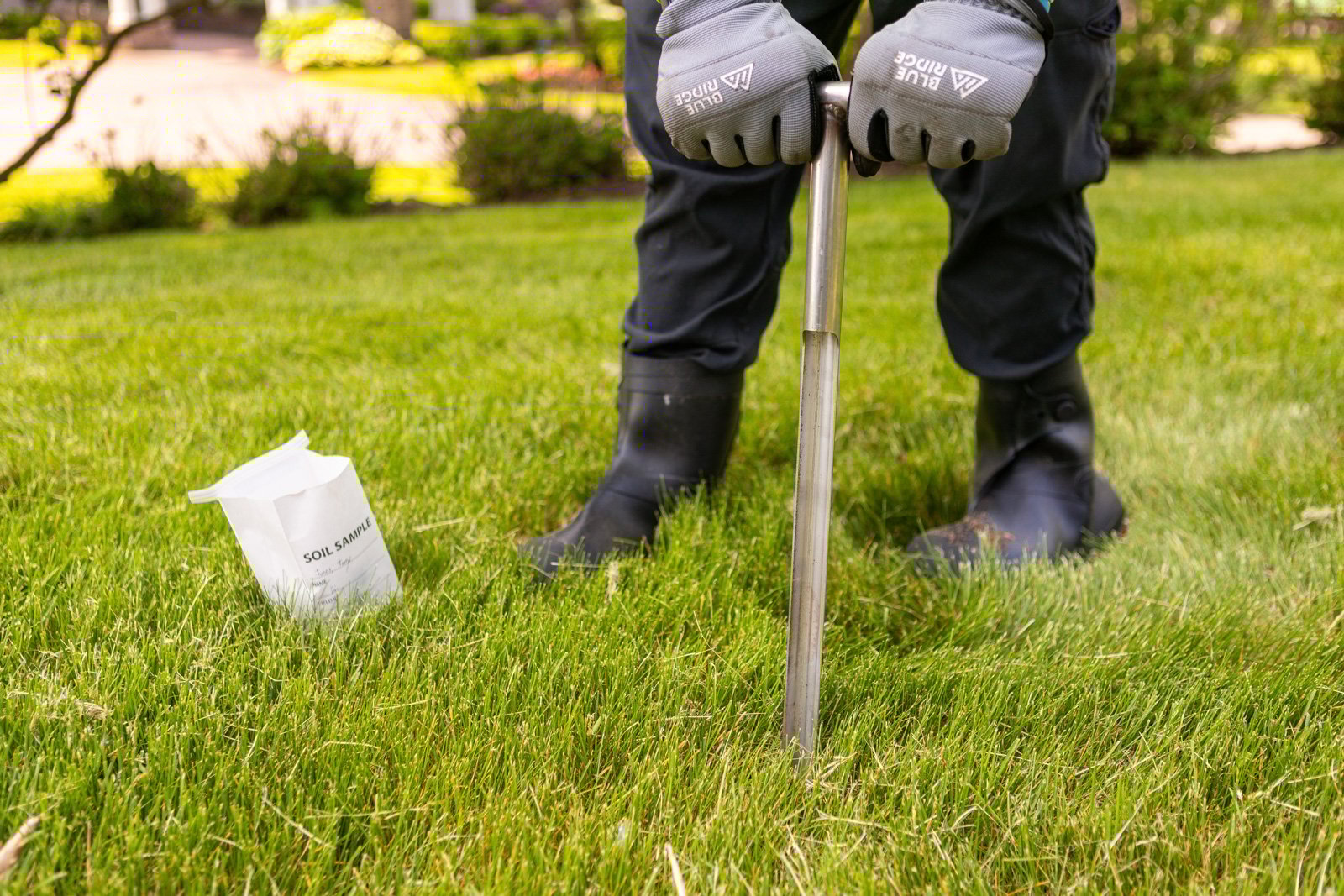
There are noticeable differences in the soil from one community to another. Areas like Irondequoit, Penfield, and Webster usually have sandier soils, while areas like Greece tend to have heavier, clay-like soil.
Overall, much of Monroe County tends to lean clay-heavy compared with other parts of New York.
Those distinctions matter because the composition of your soil affects how water, air, and nutrients move through it. Clay-heavy soil can be more prone to compaction and drainage problems, which can create conditions that aren't ideal for healthy turf.
It's also a healthy reminder that you can't always assume your lawn has the same soil conditions as the healthy-looking lawn down the street.
And it goes much further than that. Western New York is even different from other parts of the state. Areas like Long Island, for example, have sandier, faster-draining soils, while some parts of the Adirondacks have thin, rocky soil.
Now that you understand how varied soil can be from one area to another, it’s crucial to take it a step further and explain why this matters as it relates to lawn care.
How the grass grows above ground fully depends on what's happening below it. When soil is compacted, it restricts how water, nutrients, and even air move down toward the roots.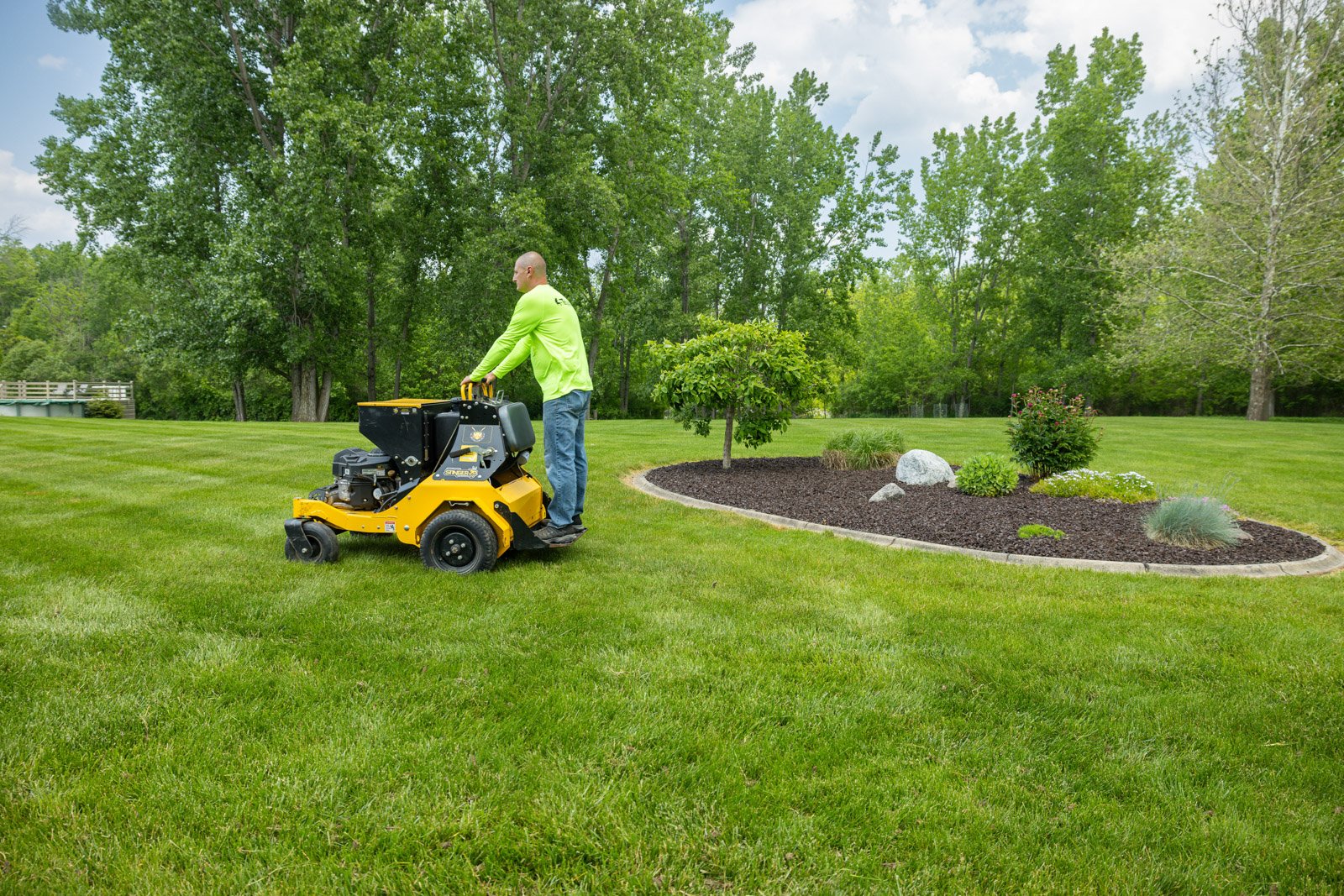
So, when soil doesn't drain well, all of that can sit on top of the lawn instead of soaking in where it belongs. Those problems can show up in ways that homeowners often notice before they realize soil is involved.
Compaction is one of the biggest soil-related lawn problems we see in the Rochester area.
As we mentioned, when soil becomes compacted, there's less room for everything that needs to move through it to the roots. The end result? The grass looks thin, tired, and patchy because nothing is getting through to the part that matters most. 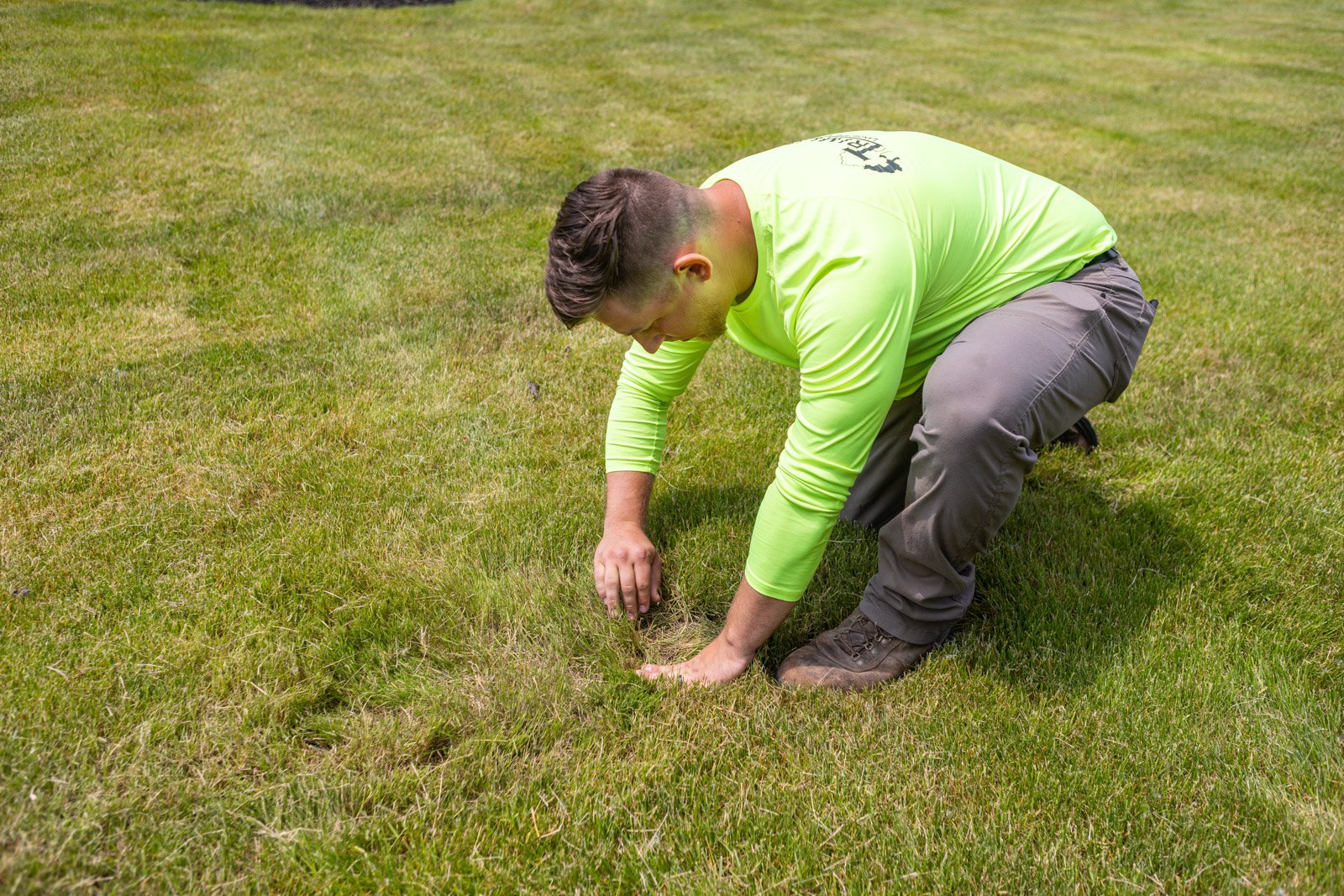
This is important because it means that even with the right intentions, adding more water or fertilizer isn't necessarily going to solve the underlying problem. The existing nutrients couldn’t get through - adding more won’t solve the issue.
In other words, if the soil is compacted, the real problem may be that the resources you're already providing aren't moving through the soil the way they need to.
Poor drainage is another big (and common) concern. It usually goes hand in hand with clay-heavy soil.
A common sign of drainage issues is water pooling on the lawn after a heavy rain. It should be soaking into the ground – if that’s not happening, you’ve likely got a drainage problem.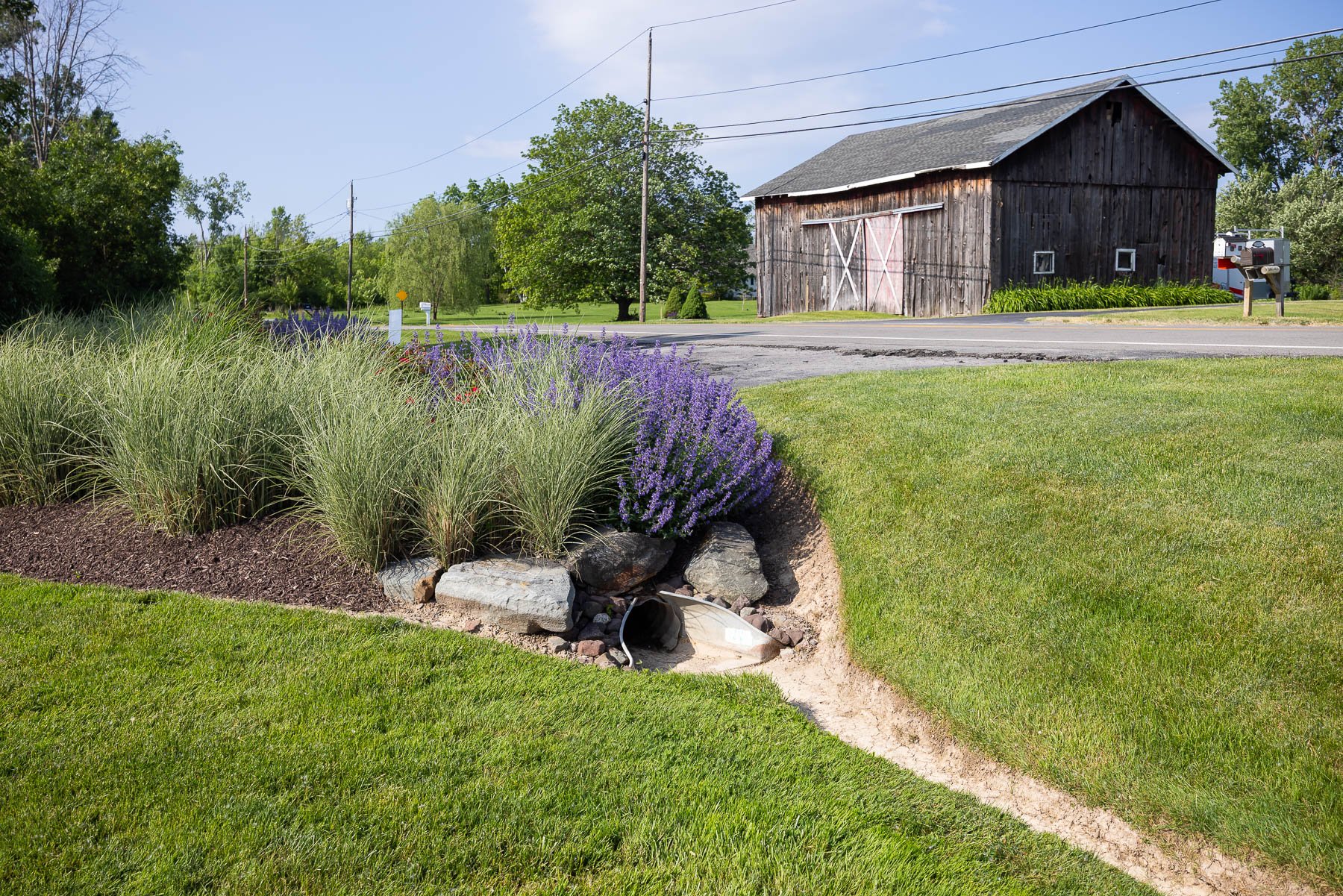
For Rochester homeowners, this can become particularly noticeable during the wet stretches of the year. If areas of your lawn regularly stay wet while other areas dry out fine, the issue may have more to do with what's happening beneath the turf than with your watering schedule.
Soil composition isn't the only factor affecting what grows in your lawn. We usually see plenty of moss in the areas we work – mostly in shadier, older neighborhoods with heavy tree cover.
Clay-heavy soil holds moisture, and when you combine that with elements like extra shade and a wet spring, you can create conditions where moss can start to outcompete the grass. That makes for an unhappy, unhealthy lawn, too.
Even if you’re well-versed in lawn care, you can't always determine your soil conditions just by looking at the grass and trying to diagnose it. Soil can be tricky!
We always recommend a soil inspection and soil test to get to the root of the problem (pun intended). Whenever we’re going to work with clients on bringing life back to their lawn, we pull a soil test to check pH and nutrient levels. That gives our team a clearer picture of what's happening underground, so we can make a proper plan going forward. 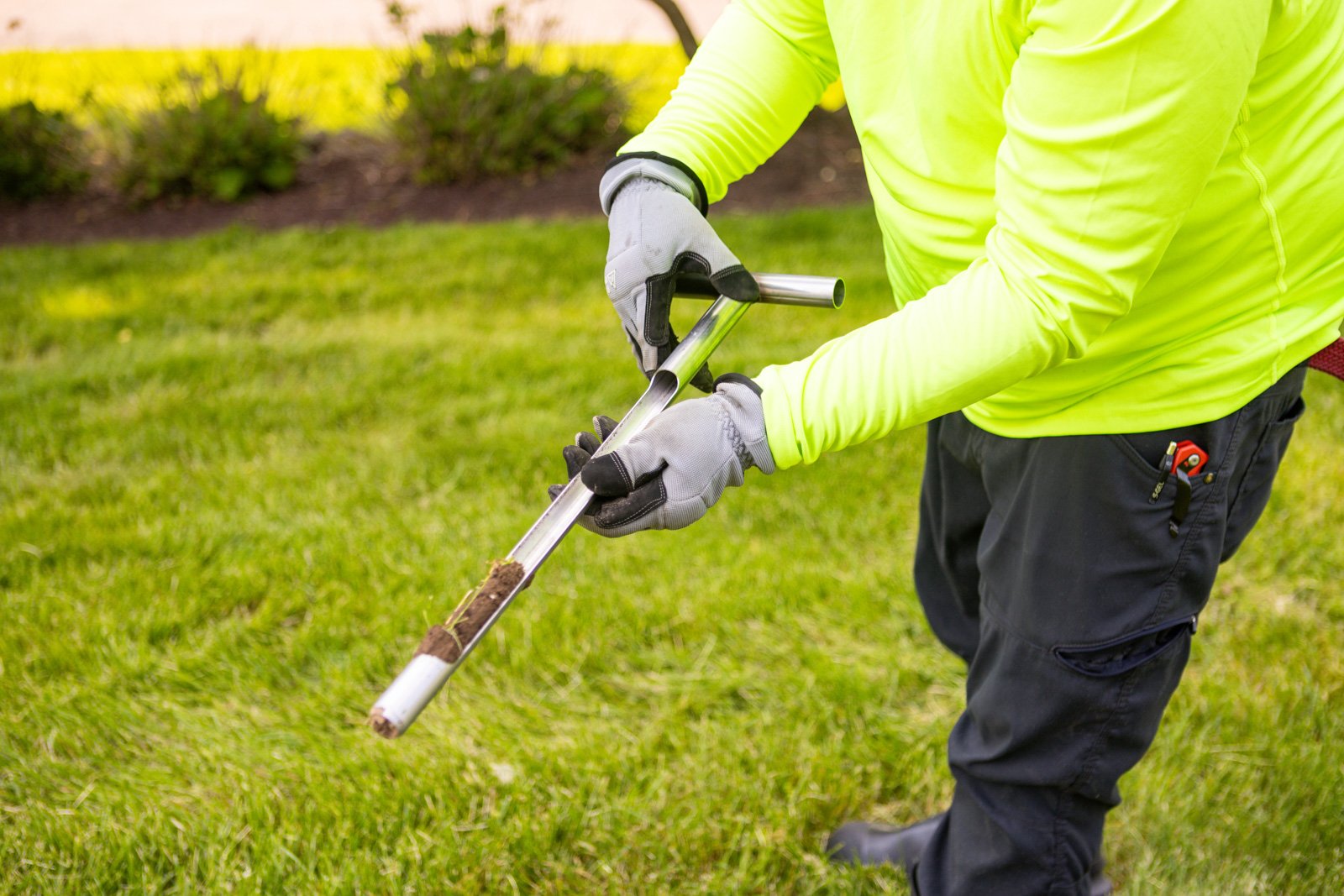
On top of that, the symptoms you're seeing above ground can also offer useful clues to what’s happening below.
If your lawn is thin and patchy despite regular watering and fertilization, compaction may be part of the problem. If water is pooling after a heavy rain, drainage deserves a closer look. If you're seeing moss in shady areas, moisture and light conditions may be contributing.
Of course, it’s not always that cut-and-dry – working with a team of professionals will take the guesswork out of your lawn care.
The first step is to better understand your soil. The next is to address the specific concerns that are making it harder for your lawn to thrive.
For compacted soil, one of our primary tools is core aeration, which helps relieve compaction and opens up the soil. We will sometimes pair aeration with overseeding to help fill in thin and bare areas of the lawn – but it totally depends on the lawn, the soil, and the specific issues you’re dealing with.
If drainage is the issue, correcting the areas where water is pooling may also be a helpful fix.
When a soil test shows that pH or nutrient levels need attention, we adjust our client’s fertilization program based on what their soil actually needs.
That's an important part of soil care: the goal is to understand the conditions your lawn is working with and address the specific problems that exist rather than throwing blanket solutions at your lawn.
Absolutely. Soil can vary across a property, just as it can vary from one Rochester-area community to another. If different areas of your lawn are behaving differently, it's worth looking at the conditions affecting those specific areas rather than assuming the entire property has identical soil.
That’s not an answer we can provide without understanding your lawn specifically. It’s hard to make a blanket statement about a lawn and its soil without seeing it, testing it, and understanding what we’re working with. We recommend reaching out to a lawn care provider you trust to help you better understand your soil and how to improve it.
It’s hard to give a cut-and-dried “yes” to this question because every situation is different – but historically, new construction is very tough on soil health. Often, new construction can leave your soil depleted, compacted, and shallow.
If you've been watering and fertilizing your lawn but it still looks thin, patchy, or tired, the answer might be lying beneath the grass itself. Understanding your soil composition, structure, drainage, pH, and nutrient levels can give you a much clearer picture of what your lawn truly needs to thrive.
Ready to take a closer look? Fill out our form to get a free quote from our team at Trimline - and let us help you understand what's happening beneath your lawn to get you closer to the landscape you’ve been dreaming of.