
- Plant Health Care
6 min read
Common Tree Diseases in Rochester, NY (& What to Do About Them)
If you're a Rochester resident, it's no secret how quickly our landscapes can change once spring finally arrives. One we...
If you're a Rochester resident, it's no secret how quickly our landscapes can change once spring finally arrives. One week, we have trees just beginning to bud – a welcome sign after a chilly winter.
The next week? They’re fully leafed out – and sometimes, something just doesn't look quite right. Maybe the leaves curl in strange places. Maybe spots are appearing. Maybe branches start thinning or the growth itself just seems off.
It's not you misremembering tree growth (though, after a chilly winter, it's easy for your brain to play tricks on you). In many cases, those noticeable changes are more than normal seasonal stress.
Things like that are often early signs of tree disease, especially fungal diseases that thrive in our unique, upstate NY climate.
Understanding what to look for, why disease spreads so easily here, and when to bring in a professional can make the difference between saving a tree and losing it.
Let’s take a closer look at the most common tree diseases affecting Rochester-area landscapes, what homeowners usually notice first, and how a proactive plant health care approach can help protect your trees long-term.
Jump To:
Is Your Tree Distressed or Diseased? How to Tell
The Must-Know Tree Diseases in Rochester
How Tree Diseases Spread
Is It Time for a Tree Disease Pro?
How Trimline Approaches Tree Disease
FAQs: What to Know About Tree Diseases
Partnering with Trimline for Plant Health Care
One of the more challenging issues for homeowners is knowing whether a tree is dealing with temporary stress or if it's battling something a bit more serious. In Rochester, late winters, heavy spring rain, compacted soils, and sudden temperature swings can all cause short-term stress symptoms on trees. And that's relatively normal – something most homeowners will deal with.
However, disease-related issues tend to follow a pattern.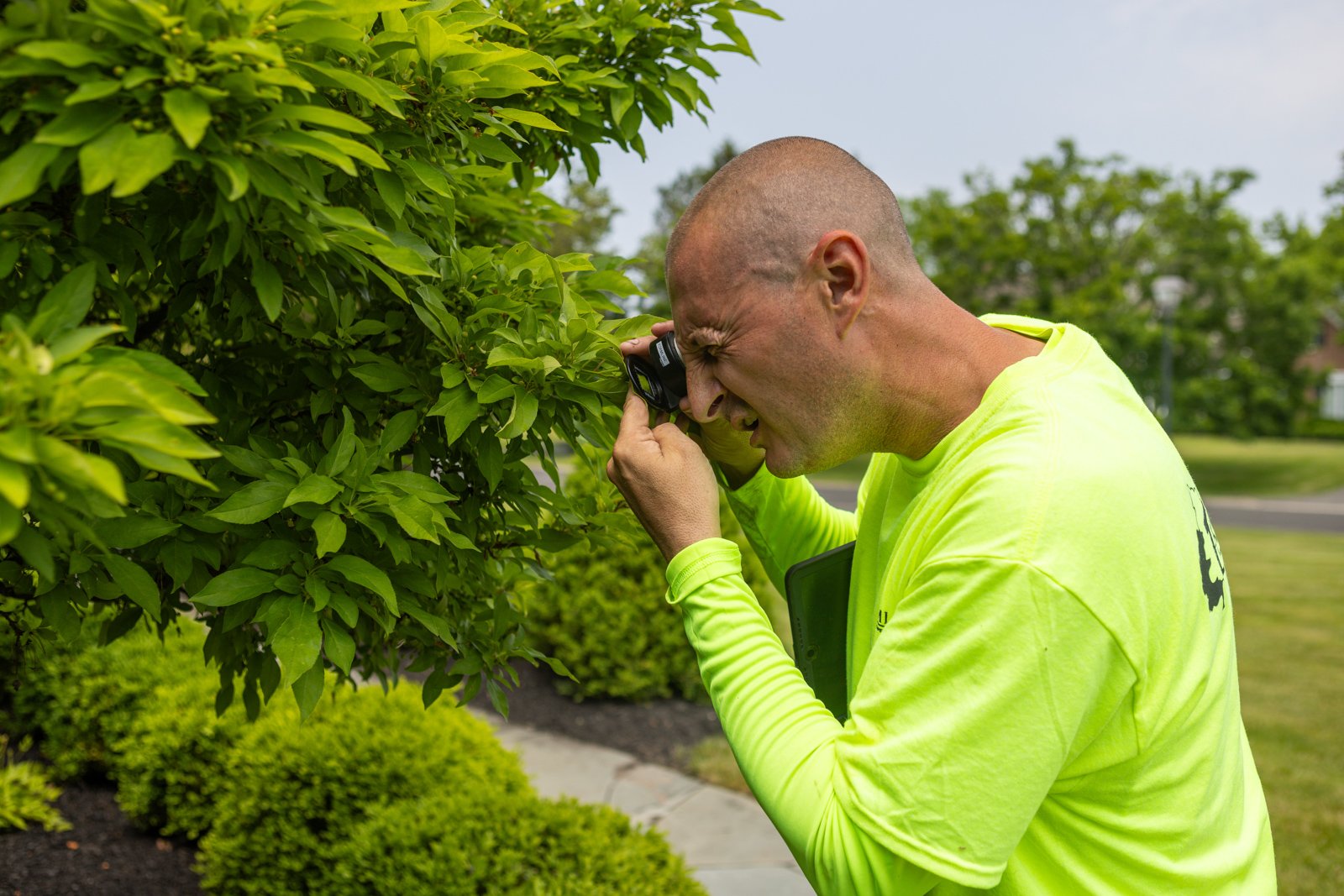
When talking with our office manager, William Dachille, the other day, he reminded me that recognizing those patterns can be tricky.
“When symptoms generally appear in late spring to early summer following a rainy spring, it can be difficult to tell the difference between stress and disease to the untrained eye."
His reminder?
"That’s why it’s always best to call a professional when you notice any concerning symptoms.”
Still, there are some signs you can look out for that often point to disease rather than seasonal stress including:
Persistent leaf spotting or blotches
Powdery or fuzzy coatings on leaves
Premature leaf drop
Dieback in the canopy
Repeated issues on the same tree year after year
If symptoms don’t improve as the season progresses (or worsen after very wet weather), it’s definitely time to dig deeper and figure out what might be causing these issues for your trees.
Every region has tree diseases, but depending on the climate, weather, and other regional factors, they're all going to be a bit different.
In our area, common tree diseases are heavily influenced by moisture, temperature, and, of course, timing.
We've named a few below that we think you should be aware of for your own trees (especially throughout Rochester, Monroe County, and other surrounding communities).
Anthracnose is one of the most common tree diseases in Rochester, especially after wet springs. It often affects maples, oaks, sycamores, and dogwoods.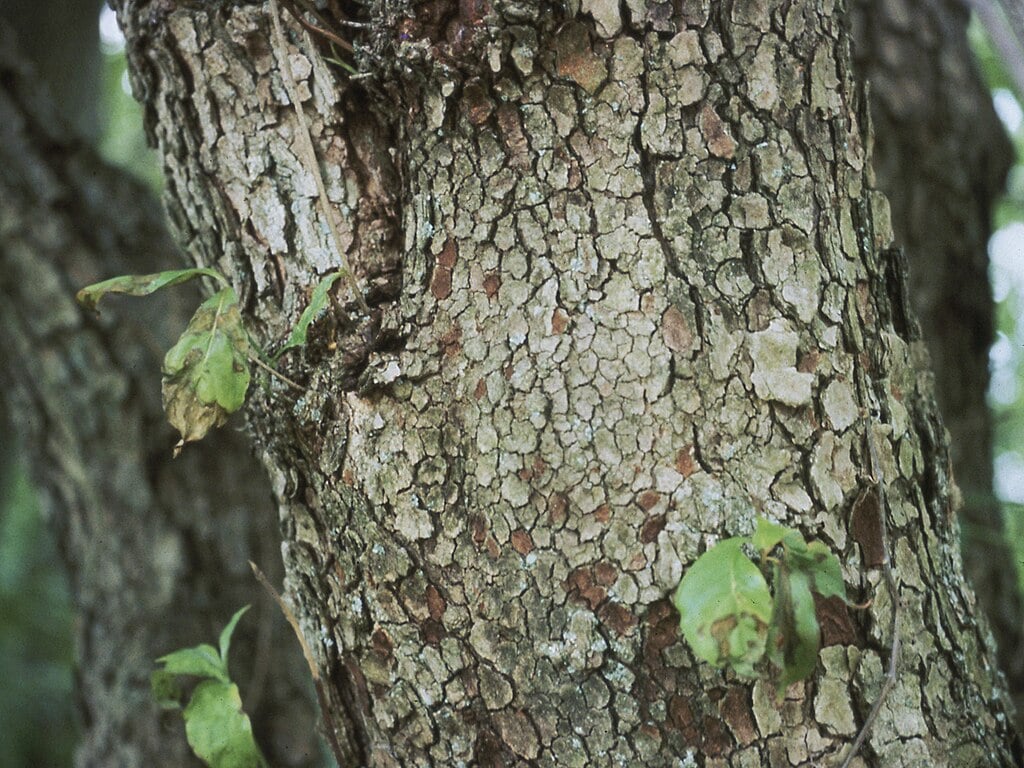
Early warning signs include irregular brown spots on leaves, leaf curling, and thinning canopies. In severe cases, it can cause defoliation year after year if left untreated.
Powdery mildew appears as a white or gray powdery coating on leaves and shoots. While it’s more common in humid conditions, it doesn’t always require standing water to spread.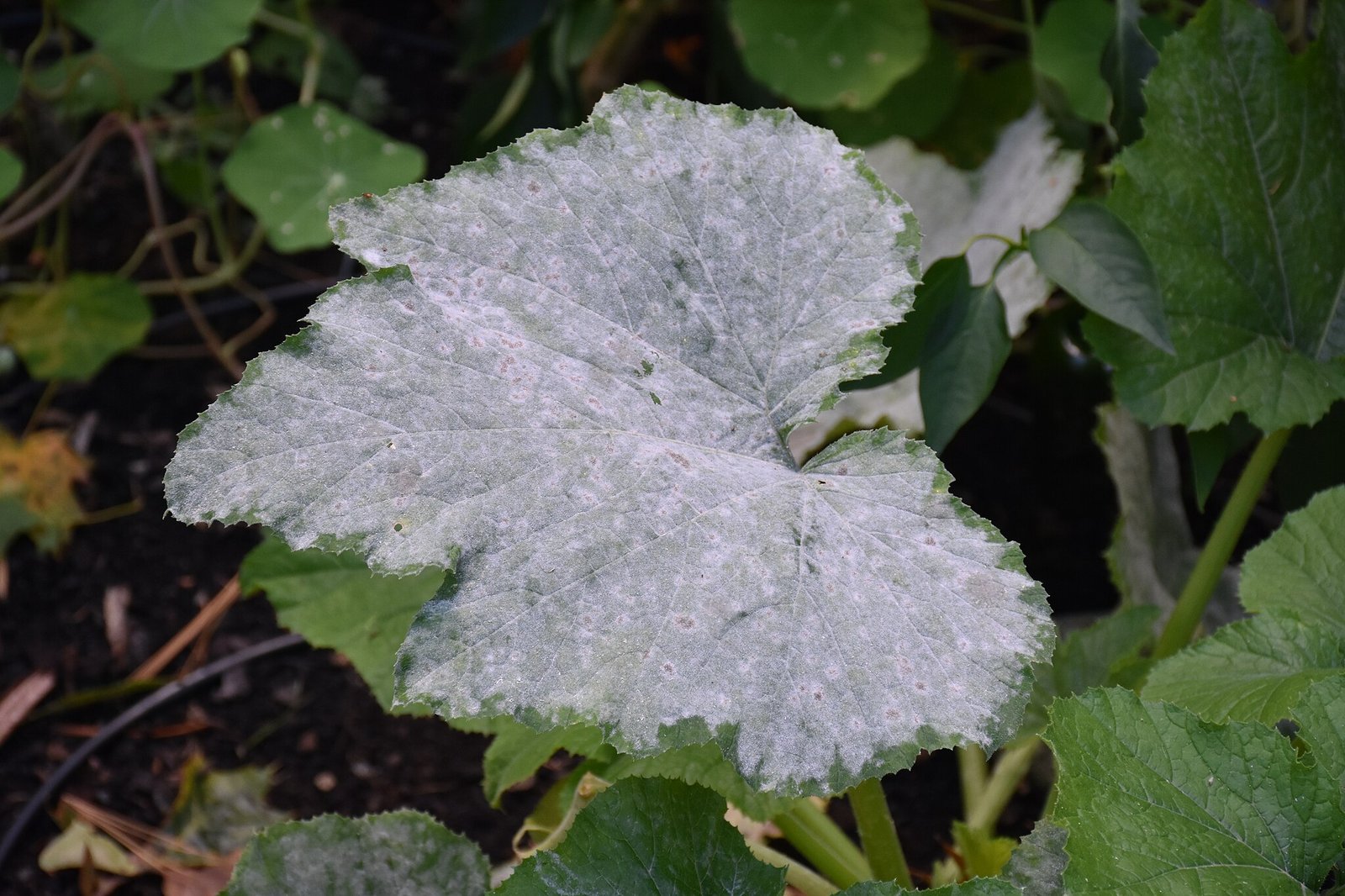
Although powdery mildew may not immediately kill a tree, it weakens overall health, reduces photosynthesis, and makes trees more vulnerable to other diseases and pests.
Leaf spot diseases show up as dark spots, blotches, or splotchy lesions that are scattered across the leaves. Over time, the affected leaves may turn yellow and drop off the tree prematurely.
Repeated leaf spot issues can weaken trees by reducing energy storage, especially when defoliation happens early in the season.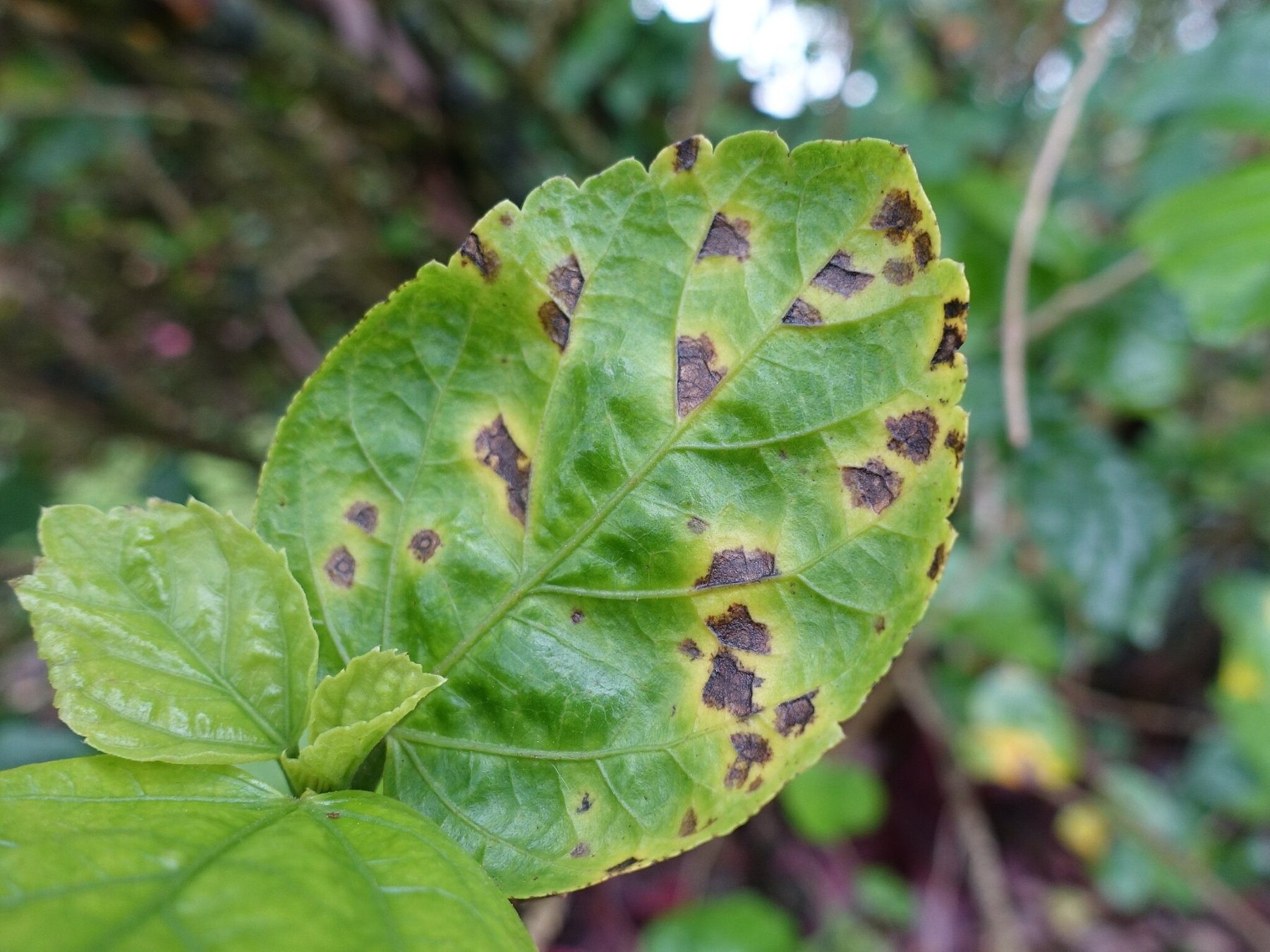
Apple scab is especially common on ornamental crabapples throughout Rochester and our surrounding areas. How can you spot it? It usually causes spots ranging in color from olive-green to dark black on the leaves and fruit. Of course, these symptoms are also usually followed by early leaf drop.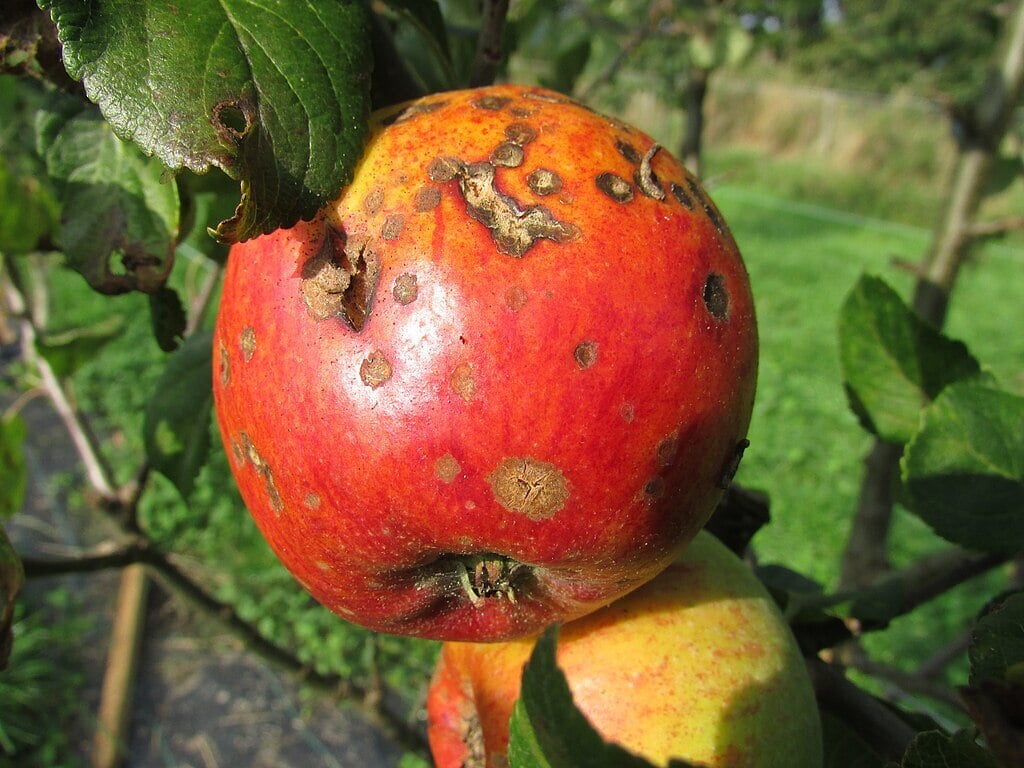
Without proper tree disease management, apple scab can lead to thinning tree canopies and stressed trees that continue to struggle year after year.
Tree fungus is something every climate has to deal with in some capacity, but Rochester’s climate creates (unfortunately) near-perfect conditions for fungal tree diseases like the ones we mentioned to thrive.
Disease issues occur more often following an extremely rainy spring. That's usually when buds are breaking out, and leaves begin to emerge. With the buds opening and the moisture happening, it's a perfect storm for fungal susceptibility.
Moisture allows fungal spores to activate and, once active, the wind easily carries those spores to nearby trees and shrubs. Dense neighborhoods, shared green spaces, and closely planted landscapes make it easy for disease to spread from one property to the next.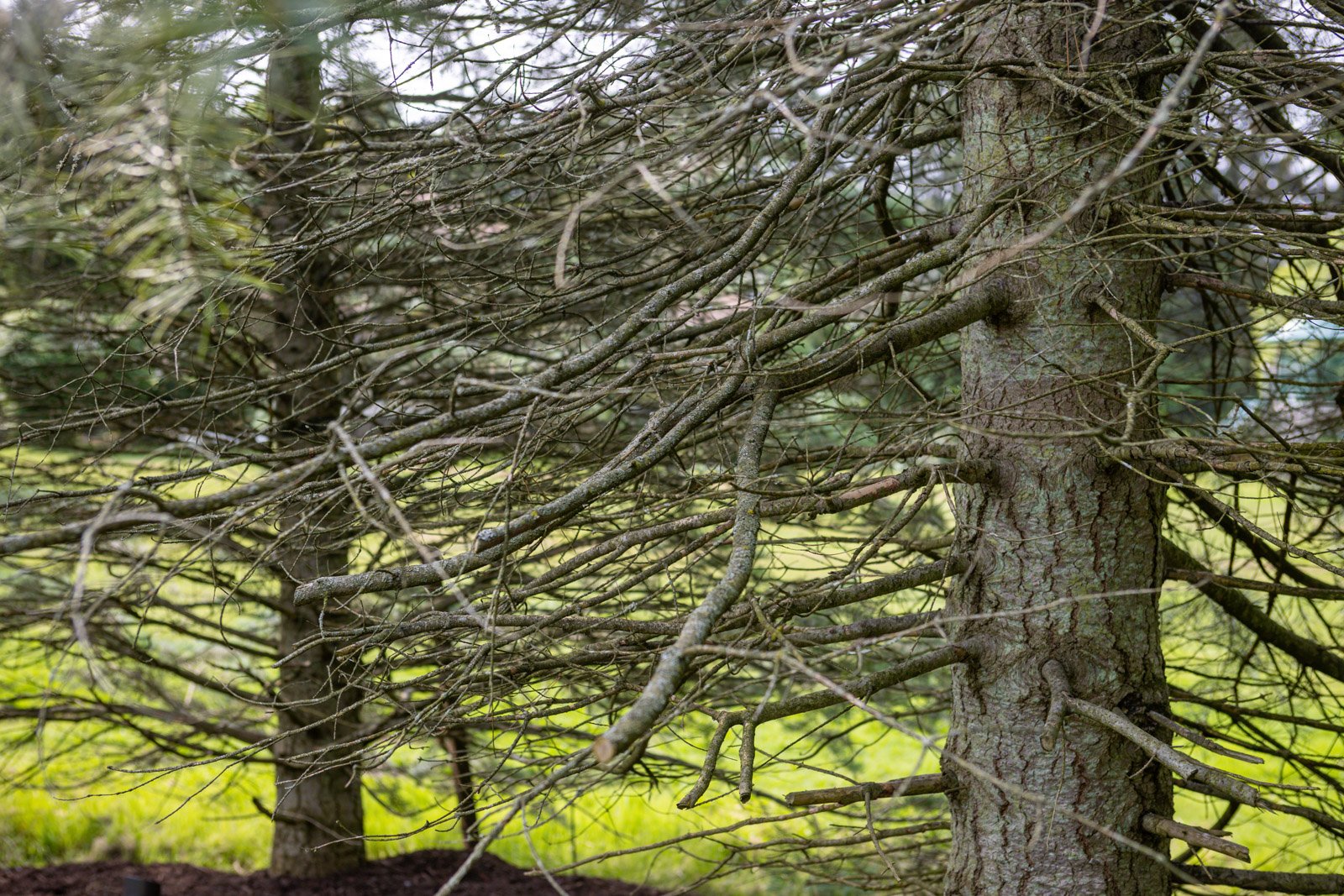
Trees already under stress from compacted soil, poor drainage, or previous disease are especially vulnerable during this short but powerful window.
It's not always easy to tell when your tree is dealing with normal, seasonal stress or when something more sinister (and potentially irreversible!) is happening.
Many homeowners often opt to wait and see what happens, hoping their tree will “grow out of it.” Unfortunately, if you're dealing with a tree disease, delaying treatment often allows that disease to spread further within the tree – and worse, to your surrounding plants.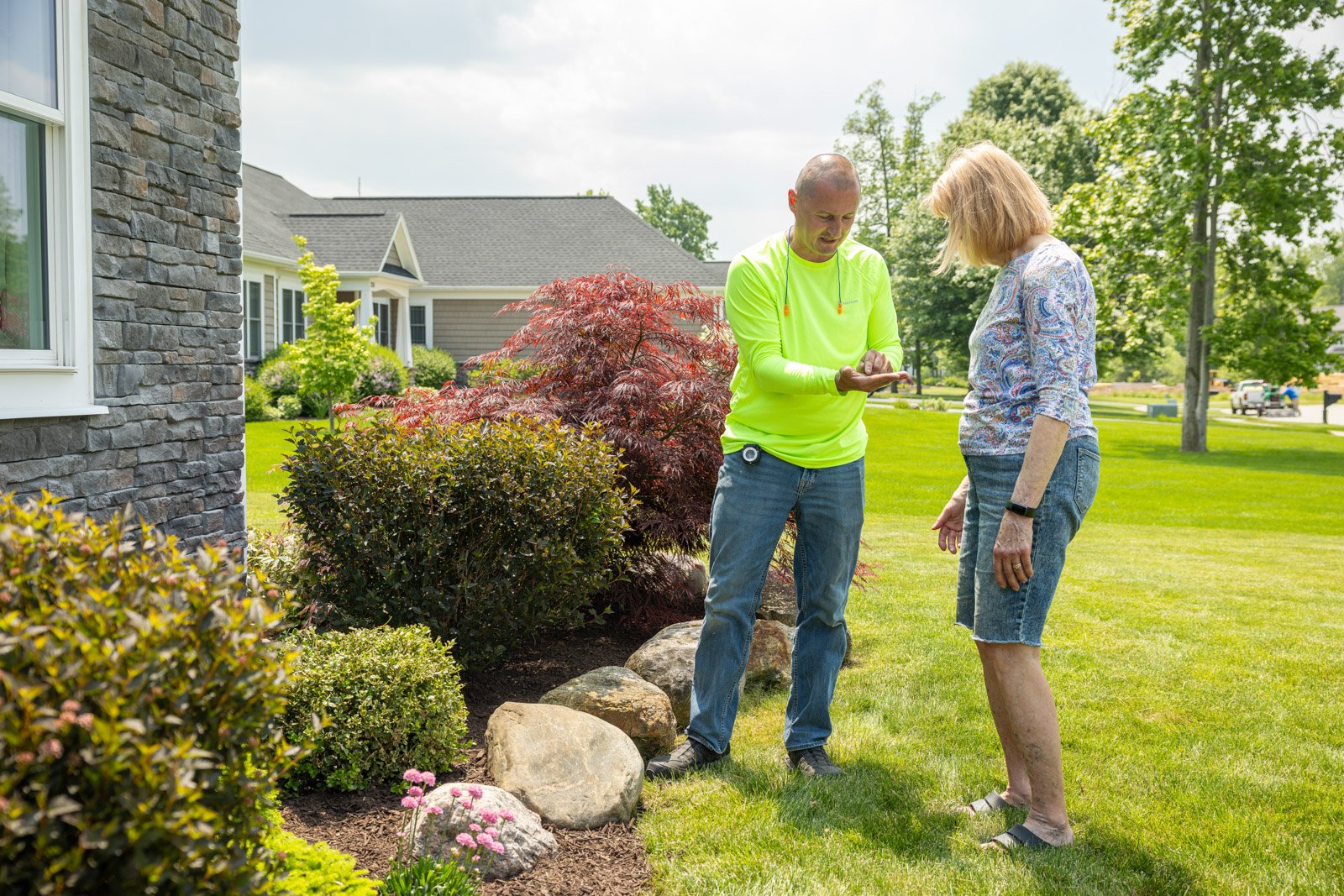
Still, it's hard to tell when it's time to call in the professionals. Here's a quick checklist to run through when you're in doubt. If you deal with any of these, it's probably time to give a professional a call:
Symptoms persist beyond a few weeks
Leaf damage worsens after rain
The same tree shows issues year after year
Multiple trees begin showing similar symptoms
Remember, delaying treatment increases the risk of irreversible damage, branch dieback, or full tree removal. But an early tree disease diagnosis gives you far more options and often results in better outcomes.
Effective tree disease management starts with the right first step – an accurate diagnosis. There's no blanket resolution for all tree diseases. They each have unique root causes and solutions.
Not all tree issues are treated the same way, and mistaking disease for stress (or vice versa) can make problems worse.
Trimline’s approach always focuses on both treatment and long-term prevention. In a perfect world, the best approach to disease control is prevention.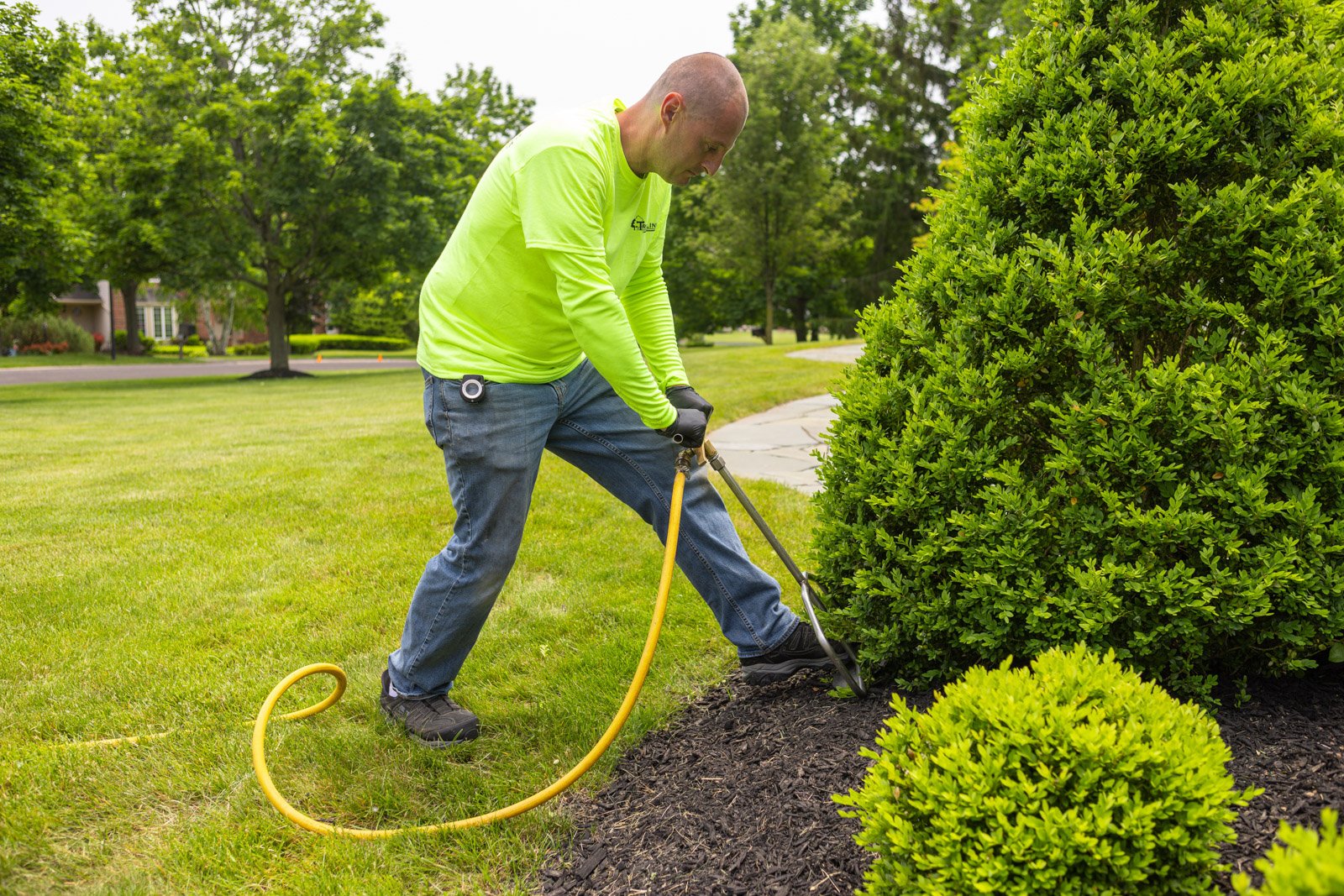
For trees that are known to have past disease issues, it is best to begin treatments as early as possible – just as buds are breaking open.
Then another treatment or two, a few weeks apart as the leaves emerge and grow, can help keep tree disease at bay. This proactive plant health care approach helps:
Treat existing fungal infections
Prevent spores from spreading to nearby trees
Strengthen tree defenses during vulnerable growth stages
Reduce the likelihood of recurring disease year after year
Treating a tree is one thing; prevention is another. Prevention starts with proper timing, professional monitoring, and early-season treatments – especially for trees with a history of disease. A consistent plant health care program is the most effective long-term strategy, along with a team that knows your trees' unique challenges.
Plant health care supports overall tree vitality by improving its resistance to disease and allowing for early intervention before problems become severe. With a plant health care program, your landscape partner can spot issues before they become bigger problems, effectively saving your tree from extra stress and damage in the long run.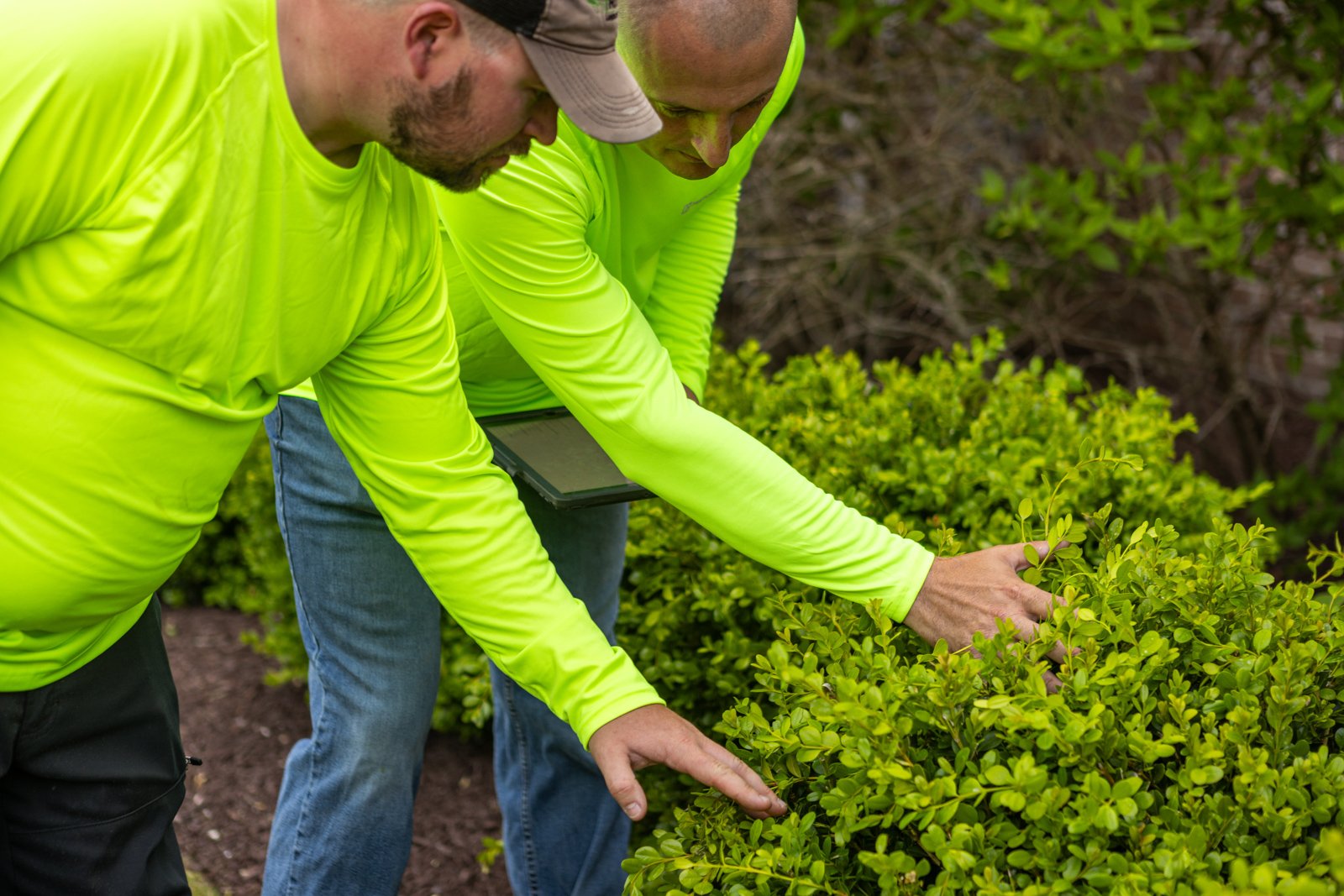
They absolutely can! Many fungal tree diseases spread very easily through wind, rain, and shared growing conditions. That's why early identification and treatment is so important.
Not always. Many diseased trees can be treated successfully if caught early. Removal is typically a last resort when structural integrity or safety is compromised.
Costs vary depending on the type of disease, tree size, and treatment plan. Preventative care is often far more cost-effective than reactive treatments or tree replacement.
Tree disease may not be on your radar at the moment, but it often starts quietly. Unfortunately, the damage that comes with tree disease can add up fast if it's left unaddressed.
Rochester’s climate makes timing and expertise especially important when it comes to protecting your landscape investment.
If something about your tree just doesn’t look right, getting a professional opinion early can save time, money, and the tree itself.
Trimline’s plant health care services are designed specifically for the conditions we deal with here in Rochester and the surrounding communities of Western New York. If you're concerned about a diseased tree or looking to prevent future problems, our team at Trimline is here for you! Fill out our free quote form to schedule an evaluation and keep your landscape healthy season after season.

Image Sources: anthracnose, powdery mildew, leaf spot disease, apple scab