
- Plant Health Care
5 min read
Why Your Landscape Leaves Are Turning Yellow (And How to Fix Them)
You invest time, money, and soul to help your Rochester landscape thrive and your home look beautiful. Then, seemingly o...
You invest time, money, and soul to help your Rochester landscape thrive and your home look beautiful. Then, seemingly out of the blue, yellowing leaves start to disrupt the landscape you worked so hard to create. It’s disheartening and undermines the visual appeal that took months to curate.
This scenario may sound like a nightmare, but it’s more common than you might think. If your yard is experiencing the yellowing of leaves (outside of fall), getting to the root of the problem and finding a solution are key to reclaiming your landscape and maintaining a healthy, beautiful property.
Thankfully, yellow leaves on plants can be corrected by identifying the underlying cause, implementing a treatment plan, and working with an experienced landscaping professional.
Jump To:
What Makes Plant Leaves Turn Yellow?
Why Fertilizing Can Make Things Worse
How to Fix Yellow Leaves on Plants
FAQs About Yellow Leaves on Plants
When You Should Contact a Plant Health Pro About Yellow Leaves
While the appearance of yellowing leaves (also known as chlorosis) may be what alerts you to a plant problem, it’s important to remember that yellowing leaves are a symptom, not a diagnosis. In other words, what makes plant leaves turn yellow can vary.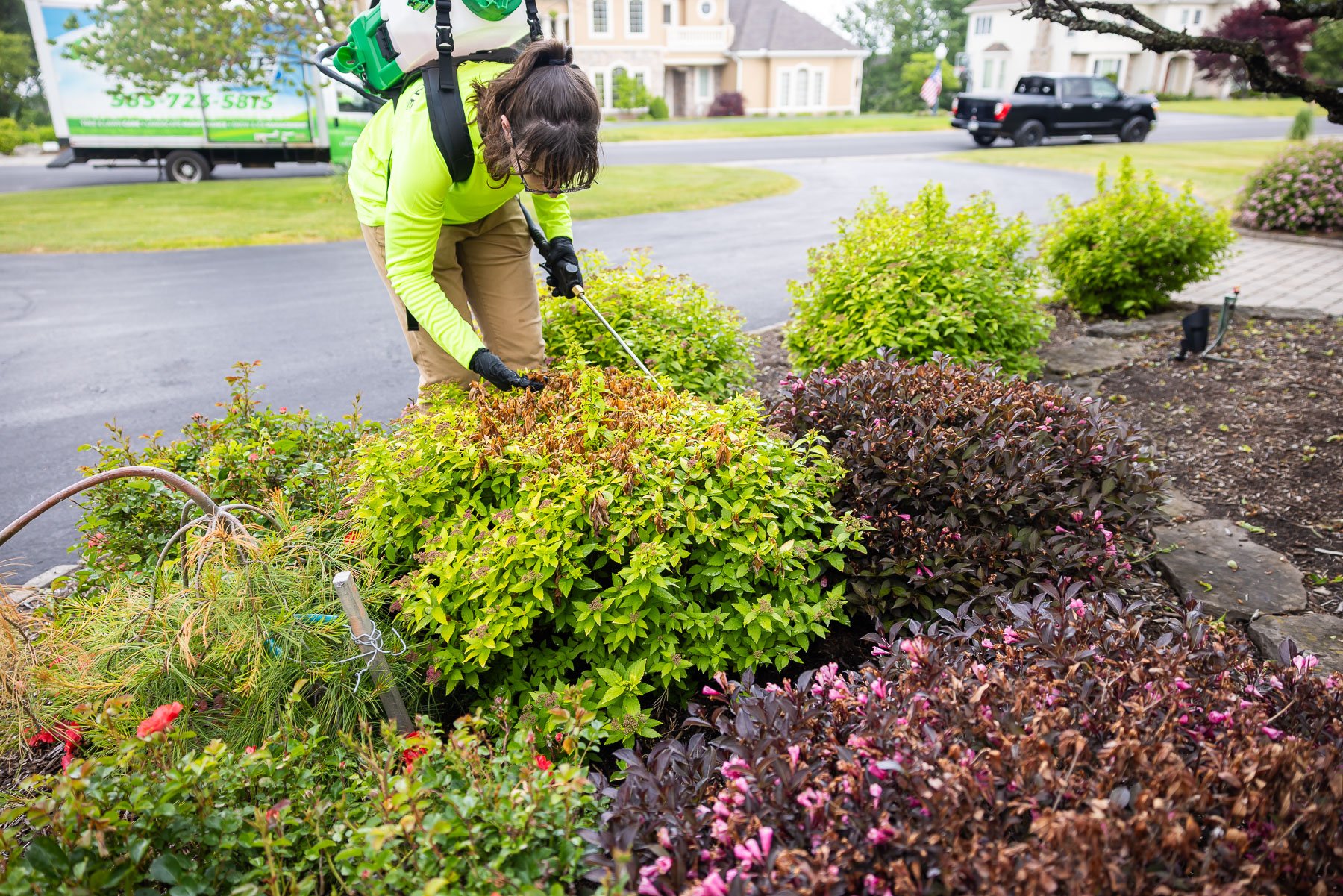
Rather than jumping to conclusions or immediately trying different treatments, it’s best to investigate what is causing the leaves to yellow. Once you uncover the cause, you can work with a professional landscaper to develop a comprehensive plan to correct whatever issue is harming your plants.
One of the reasons it is important to work with a professional to properly diagnose and treat your plants with yellowing leaves is that there are so many possible problems behind the symptoms. In fact, your plants could be suffering from a number of issues, all of which manifest through the yellowing of leaves.
That being said, there are a few common causes of yellow leaves on plants. Familiarizing yourself with these plant deficiencies can give you valuable knowledge when attempting to diagnose what’s wrong with your landscape.
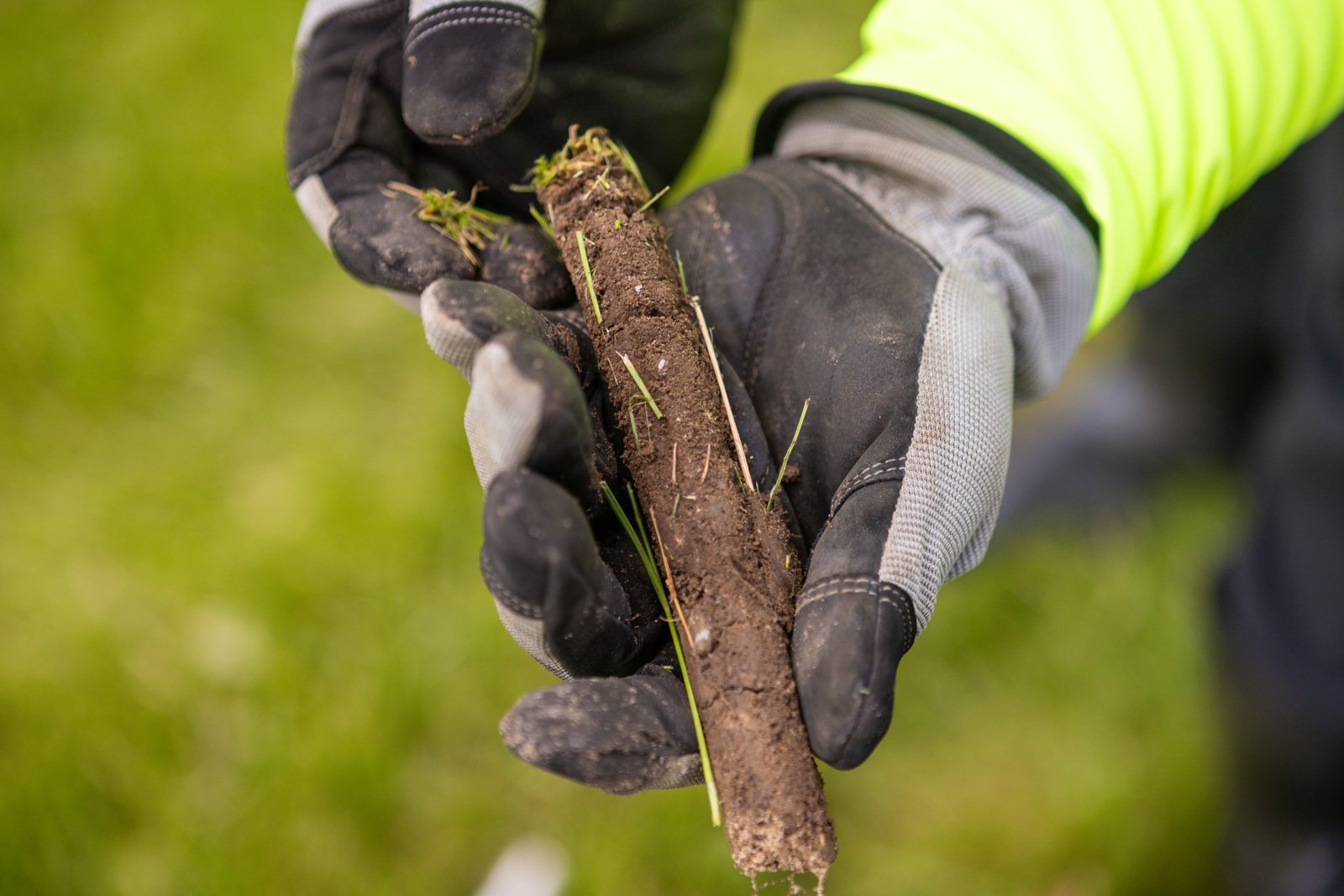
A common mistake that homeowners (and even inexperienced landscapers) make is fertilizing their plants when they notice yellowing leaves. This response is rooted in logic: yellow leaves must indicate a plant nutrient deficiency, and the answer must be a plant nutrient solution.
Unfortunately, these good intentions can backfire and make the underlying problem worse. Without a confident diagnosis, blanket fertilization can introduce excess stress to plants that are already struggling.
Instead of jumping to the conclusion that your plants need fertilizer, take the time to pinpoint the actual source of the problem. Check the moisture levels of your soil, ensure that soil is draining properly, and test the soil’s pH and nutrient levels.
Identifying what is stressing your plants and causing the yellowing of leaves will inform your treatment strategy and prevent a theoretical solution from further harming them.
Yellow leaves do not have to be a landscaping disaster, and you don’t need to hit the panic button when they appear. While they can be a symptom that indicates a more serious problem, both the yellowing leaves and underlying issues can typically be corrected.
The first and most important step is to get an accurate diagnosis. Working with a local professional landscaper is the best way to ensure that the root cause of the yellowing leaves is identified properly and promptly.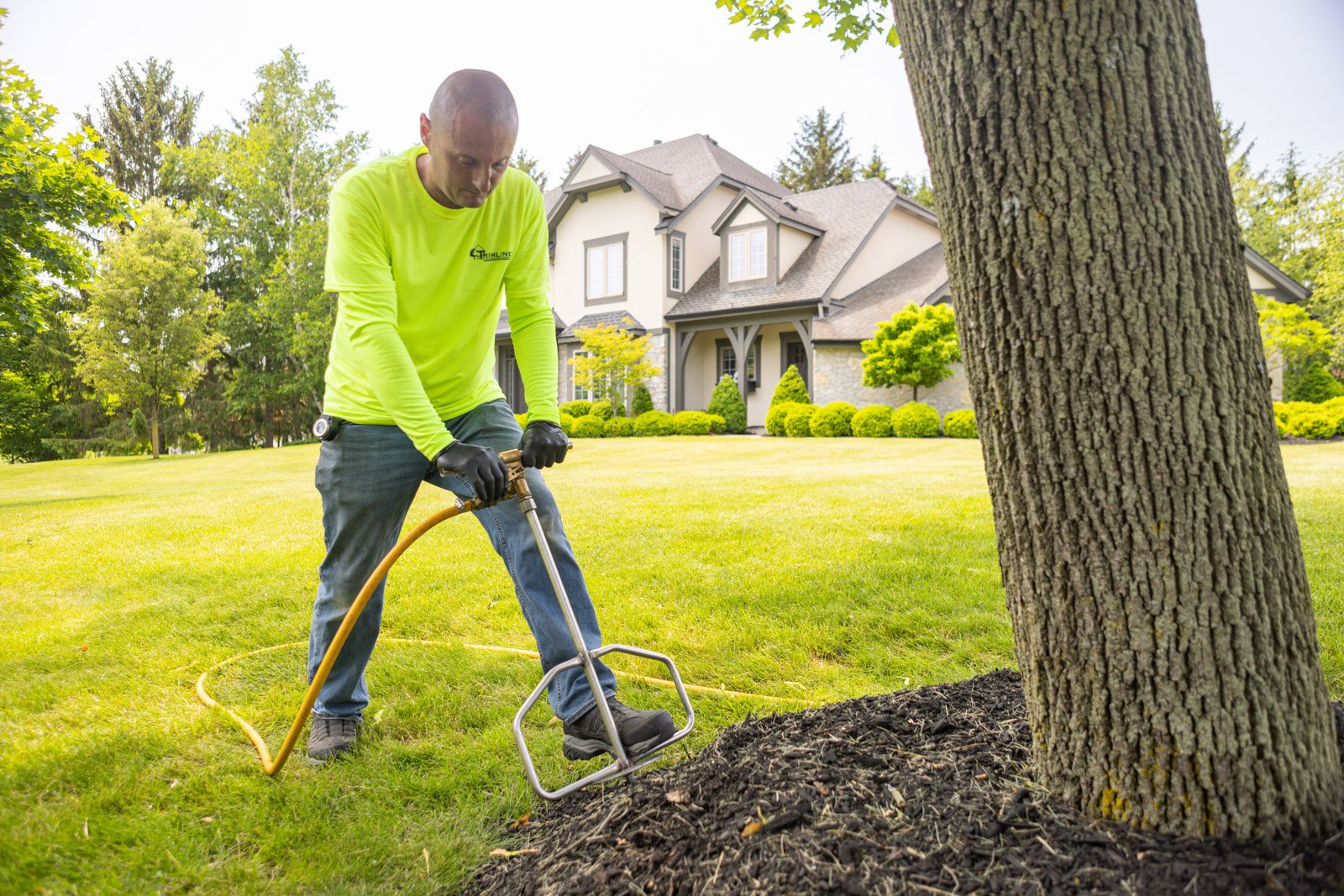
Once diagnosed, you can apply the right treatment to correct the issue and return your plants to full health. For the most common causes of yellow leaves on plants, the solutions can include:
Unless the leaves show signs of disease, pests, or other damage that could threaten the rest of the plant, it is advisable to leave the leaves alone. However, dead leaves can be removed, both for aesthetic purposes and to allow new leaves to take their place.
Yes, it can. Overwatering and poor drainage can suffocate the plant’s roots, limit its access to nutrients, and cause leaves to yellow.
Typically, yellow leaves are beyond reversal. They will eventually die and fall off on their own. However, plant nutrient deficiencies are the exception. On occasion, proper treatment will restore leaves that have yellowed due to poor nutrition back to their former green color.
Reach out to a professional who can help you diagnose the underlying issue. Remember: yellowing leaves are a symptom, not a diagnosis.
Targeted fertilizer can provide the right nutrients to your deficient plants, restore soil pH levels, and promote both soil and plant health. It is important to test the soil first to identify the missing nutrients, as blanket fertilization can actually make matters worse.
Leaves will occasionally turn yellow as part of natural processes. For example, many plants in Western New York experience changing leaf colors and shedding as part of a seasonal cycle. Older plants may also have yellowing leaves as a result of the aging process.
However, if you notice yellow leaves on formerly healthy plants, particularly out of season, you should consider contacting a plant health care professional. Yellowing leaves are often an indication that something is amiss, and it is best to diagnose the issue early. Otherwise, the problem can persist, and the damage can become permanent.
Trimline has been providing plant health care in Rochester, NY, Monroe County, and surrounding communities for over 25 years. In that time, we’ve encountered every cause of yellowing leaves you can imagine. If your plants are struggling, we have the experience and expertise to diagnose the problem, develop a treatment plan, and restore them to health.
To learn more about our services and discover how we can give your plants a much-needed health boost, fill out our free quote form today. Our local team of landscaping experts would love to talk with you!