
- Plant Health Care
5 min read
7 Plant Pests That Pose a Health Risk to Your Rochester Trees and Shrubs
The most memorable landscapes appear effortless - blending beauty and functionality, seemingly with ease. The truth is, ...
The most memorable landscapes appear effortless - blending beauty and functionality, seemingly with ease. The truth is, a perfect landscape is always one drought, hard freeze, or pest problem away from falling apart. In other words, there’s nothing effortless about it.
In the perpetual struggle to maintain a stunning residential landscape, one of the greatest threats is plant pests. These pesky plant insects can wreak havoc on even the hardiest trees and shrubs, making them a real concern for anyone in the pursuit of visual and practical perfection.
From Japanese Beetles to Spider Mites, we've put together this guide to the most common pests in our area to help you overcome the plant insects that could compromise your hard-earned landscaping - and when to get help from a professional plant health care company.
Jump To:
Why Plant Pests Are a Serious Problem
The 7 Most Common Types of Plant Pests in Western NY
How to Identify Tree Pests
When Rochester Homeowners Should Invest in Plant Pest Control
Plant Insect Control Frequently Asked Questions
Protecting Trees & Shrubs with a Proactive Plant Health Care Program
Whether you’re a bug lover or start to squirm at the mere mention of creepy crawly insects, one truth is universal: bugs can spell disaster for your landscape. They’re not just an unpleasant reality of the natural world outside your doors; they are a serious threat to the appearance, health, and longevity of your landscaping.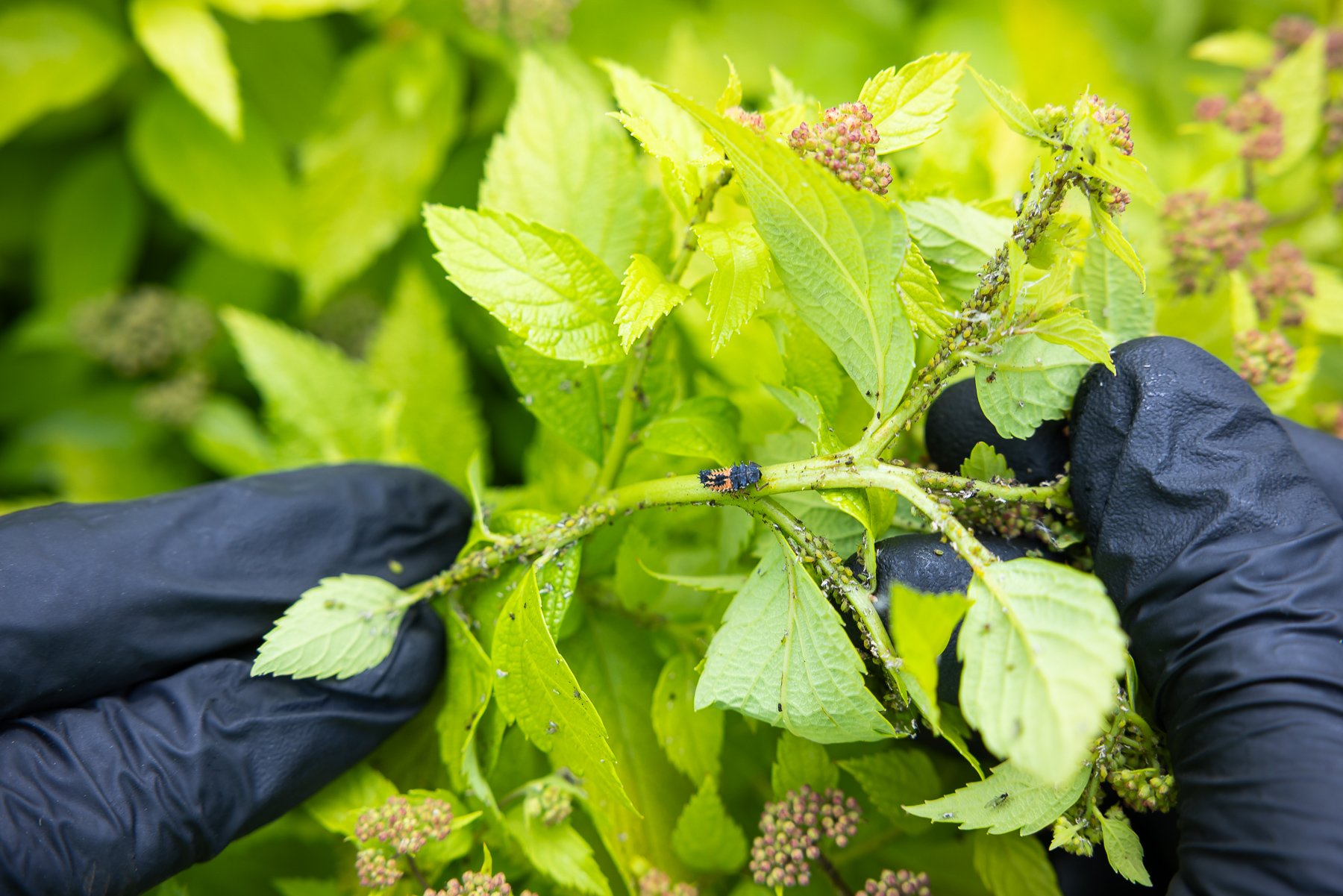
What starts as a small annoyance can quickly escalate into a full-blown landscaping meltdown. If you see signs of a pest problem on your property, you should take immediate action to prevent the trouble from developing and spreading.
Aside from the innate dislike some people have for bugs, the main concern that comes to most homeowners’ minds is that insects eat plants. That’s a real issue, of course - it can make plants appear unsightly and reduce their ability to photosynthesize. However, there are deeper problems at play.
Beyond degrading the appearance of your plants, plant pests can seriously damage their health. If left unchecked, this can lead to long-term consequences, including the death of those plants.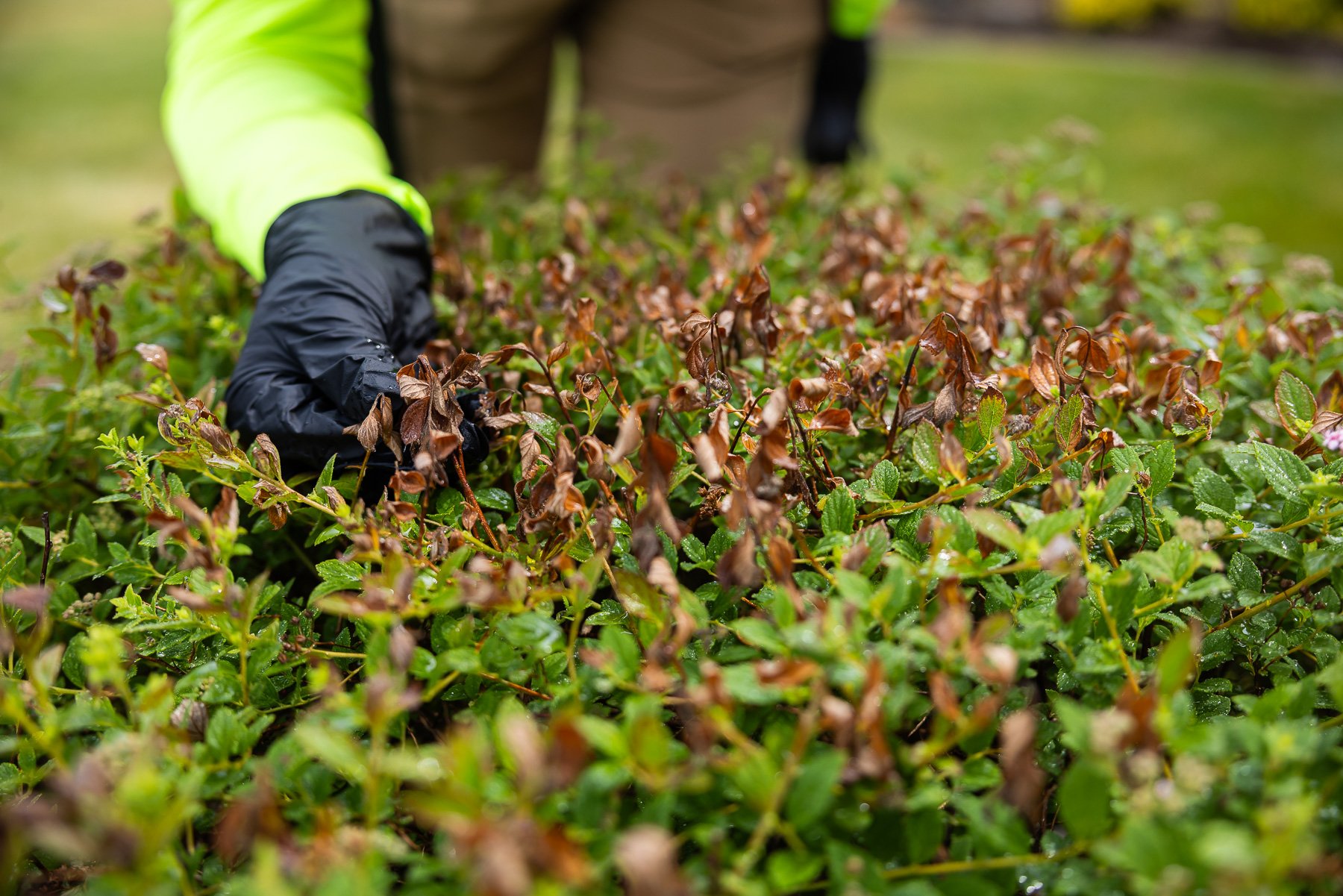
Even if the pests themselves do not cause enough destruction to kill your plants, the harm they do can weaken the plants and create the perfect storm for plant diseases to take hold. The end result is the same: diminishing health, worsening appearance, and the possibility of death.
Many plant insects are also invasive, making them a legitimate threat to the local ecosystem. Over the long-term, this can negatively impact local wildlife, including pollinators.
Keep in mind that damaged and dying plants are expensive to repair and replace. The more significant the plant pest problem, the more your bank account will suffer.
The importance of plant insect control is clear, but it is hard to do effectively without knowing what types of plant pests are present in your yard. Identifying tree pests, evergreen shrub pests, and other insects is one of the first steps to protecting your property.
While there are a variety of plant pests that can plague your Rochester property, some are more common than others. That’s why we recommend focusing on these typical types of plant pests and contacting a local plant health care professional when you need help.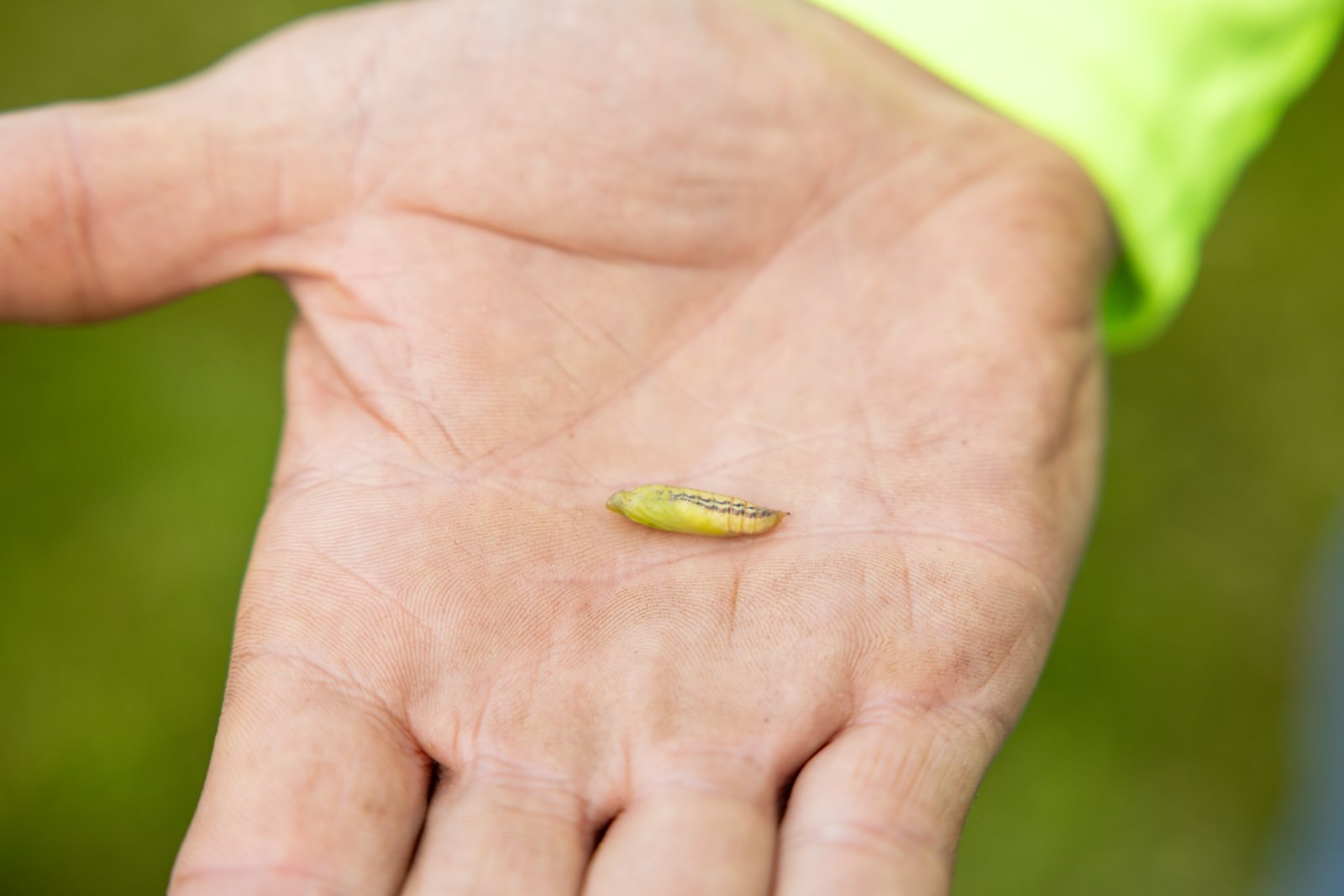
Boxwood Pests: Box tree moth in particular, since it's a relatively new invasive pest in the region and defoliates plants fast once caterpillars are established.
Aphids: These minuscule menaces are exceptionally common in Western NY, and their diminutive size does not minimize the damage they do. They feed on sap, causing plants to lose color, stop growing, and potentially die. They also lead to mold, which can quickly destroy a healthy plant.
Japanese Beetles: As their name implies, Japanese beetles are invasive. They cause extensive damage to shrubs and trees by devouring foliage, rapidly diminishing your curb appeal and robbing your plants of the ability to photosynthesize.
Scale Insects: With hard shells that make them difficult to kill, these plant insects are extremely hard to eliminate once they establish themselves. Like their insidious counterparts, they feed on sap, weakening plants and leaving them susceptible to disease.
Lace Bugs: Stippled, bleached-looking foliage on azaleas and other shrubs.
Viburnum Leaf Beetle: Another one that shows up regularly on susceptible varieties.
Spider Mites: Especially active during the hot, dry stretches.
If pests do show up on your property, all is not lost. As long as you catch the signs early enough, you can implement plant insect control measures quickly and avoid permanent damage to your trees and shrubs.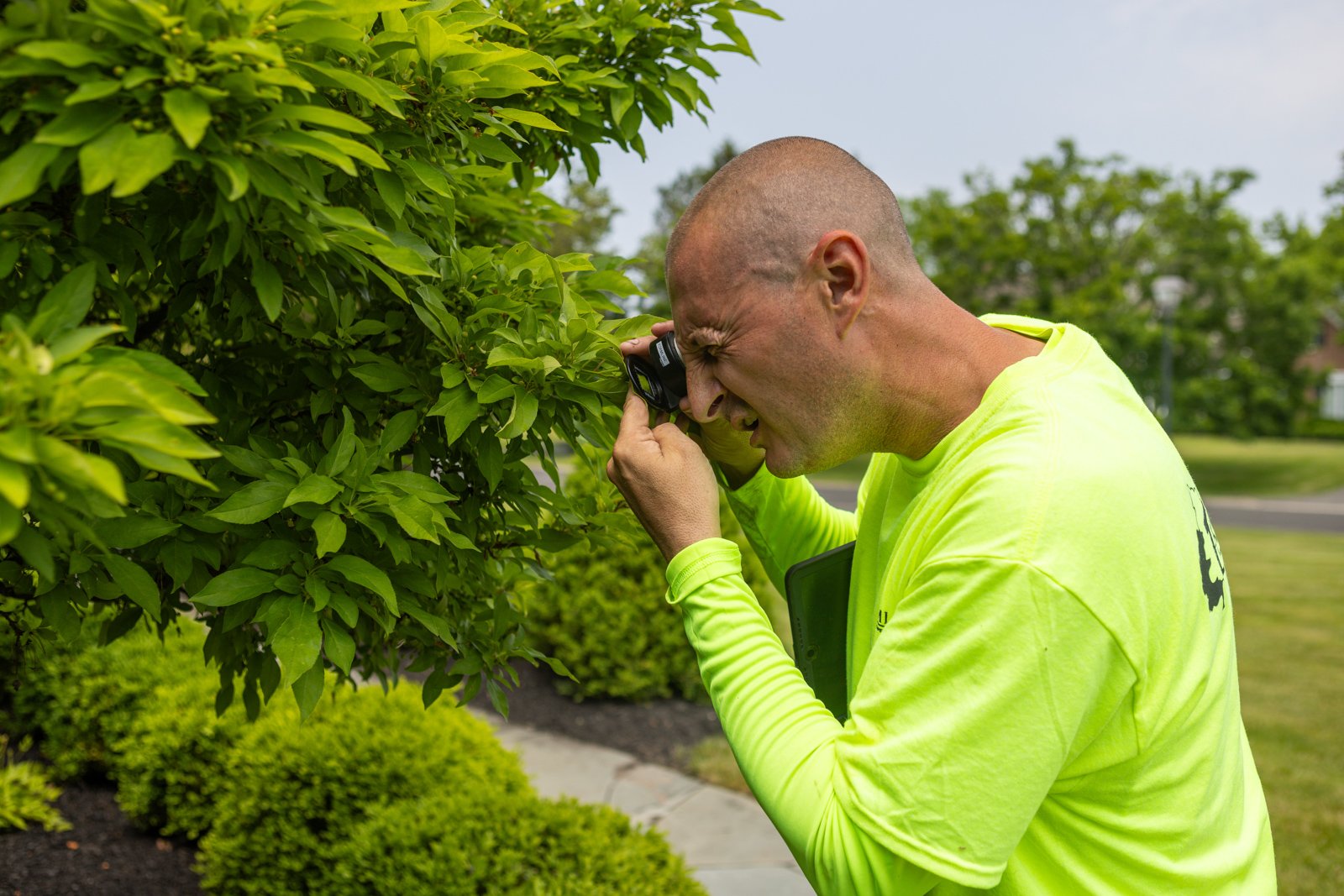
To help you identify tree and evergreen shrub pests before they are established and cause extensive damage, look for the following telltale signs.
Curled or yellowed leaves. These can be an indicator that plant pests are present. Stippled or bronzed-looking leaves are often mistaken for drought stress or normal seasonal fading — but they're actually an early sign of lace bugs or spider mites.
Sticky residue on leaves or the pavement below a plant. A sign of aphids or scale honeydew, this often gets noticed before the insect causing it does.
A few chewed leaves or fine webbing tucked inside the plant. Easy to miss until defoliation is already underway, since the caterpillars often feed from the inside out.
Missing leaves (also called "defoliation"). This could be due to the presence of bugs like caterpillars.
Branches starting to die. Called "dieback," this is often a sign of insects that bore into wood — and it means you have a serious issue.
Undersides of leaves. Many homeowners don't check the undersides of leaves at all — which is where most of these pests actually live and feed.
Routine plant pest inspections should be an integral part of your landscape maintenance plan. Ideally, you should work with a local professional to establish a plant pest control schedule that fits your region, climate, seasons, and unique property. This approach is preventative and can stop plant insects from establishing.
However, there are circumstances where additional action is necessary, and when the need arises, you should be prepared. If you see signs of pests, even if you cannot confirm their presence, you should immediately ask your landscape service provider to evaluate the situation and apply the appropriate treatment.
In other words, the time to invest in plant pest control is now. A regular insect control plan can help prevent bug problems from the start, and more urgent needs can be addressed as they come up.
While there are other insects that can damage evergreen shrubs, the most common pests to look out for are caterpillars, Japanese beetles, and scale insects.
The telltale signs of a plant insect problem include curling or yellowing leaves, defoliation, branch dieback, mold, and visible colonies of bugs.
Pests can absolutely kill established shrubs and trees. If left unchecked, even the healthiest and most mature plants are susceptible to insect infestations.
Most pests are at peak activity during the spring, when they emerge as temperatures rise. However, they remain very active into summer, so don’t let your guard down just because spring has ended.
It is almost always better to hire a professional plant pest control service. Not only do they have the expertise to correctly identify and treat the insects on your property, but they also have experience handling harsh chemicals and effectively treating a variety of pests. Their work will be more efficient and safer.
The best pest control plan is professional prevention. While there is no guarantee you’ll never have a pest problem, regular maintenance and proactive pest treatments can reduce the possibility of your plants developing a serious insect infestation.
Trimline has been providing plant health care in Rochester, NY, Monroe County, and surrounding communities for over 25 years. In that time, we’ve helped local homeowners overcome pest problems and elevate their landscapes to their full potential.
Whether you need help with plant pests or want to discuss your next landscaping project, our team of local experts would love to talk with you. Fill out our free quote form today to start building your dream landscape.
