
- Lawn Care
5 min read
Common Fall Lawn Problems to Watch for in Western NY
When fall rolls around, you can be sure that winter isn't too fat behind. That means it’s time to start preparing your l...
When fall rolls around, you can be sure that winter isn't too fat behind. That means it’s time to start preparing your lawn for the cooler months and the dormant period ahead.
This time of year is crucial for the continued health of your lawn, including its resilience and growth once spring returns.
So while autumn leaves and fall festivities can sweep you up in a whirlwind of activity and beauty, it’s important to keep an eye on your landscaping, identify potential fall lawn diseases, and keep your property healthy.
To help you maintain a thriving landscape through autumn and beyond, we’ve compiled our top lawn care tips for fall. Equipped with the fall lawn care guide below, you can prevent problems from developing and set your landscape up for long-term success.
Jump To:
The Most Common Fall Lawn Diseases and Problems in Western New York
Fall Lawn Care Guide ChecklistThe time of explosive plant growth and vibrant blooms is over, and while some cool-season grasses continue to grow, your landscape is beginning to transition into a period of dormancy. Because of this natural process, many homeowners view fall as a time to take a step back from lawn care, but doing so too early could cause serious issues.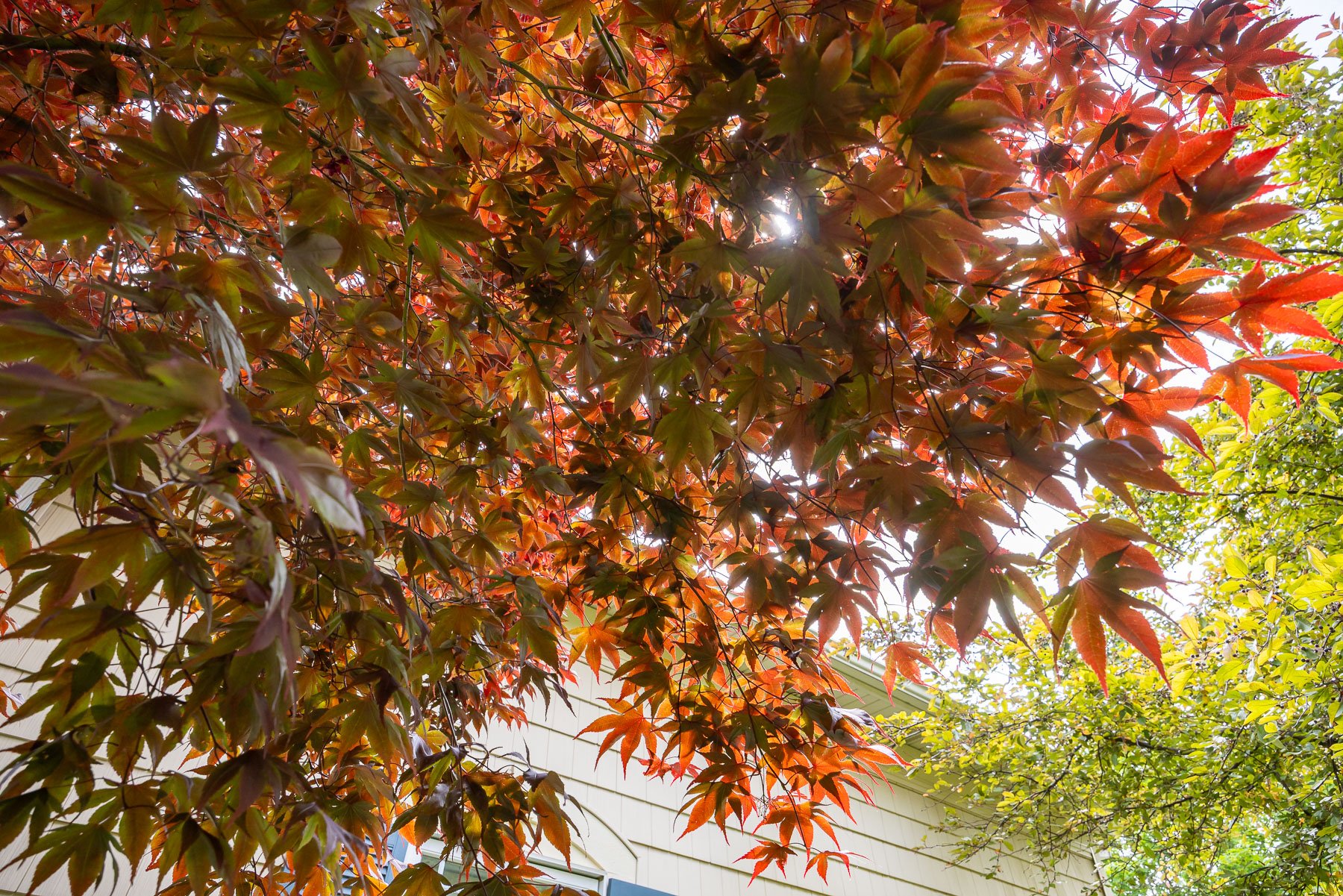
Fall is actually the ideal time to check your lawn and examine it for weeds, diseases, and other potential problems. Catching and correcting these concerns helps eliminate the risk of disease, strengthens your lawn’s root system, and prepares your lawn for a strong, productive spring.
While there are a number of problems that could affect your lawn this time of year, some are more common than others. Paying particular attention to them can help you identify and address issues in a timely manner.
If you notice your grass turning brown in patches, loose turf that peeling back like carpet, or a spongy feeling when you walk through your yard, you could be dealing with grubs. While not technically a fall lawn disease, the presence of these pests can rapidly damage the health of your landscape.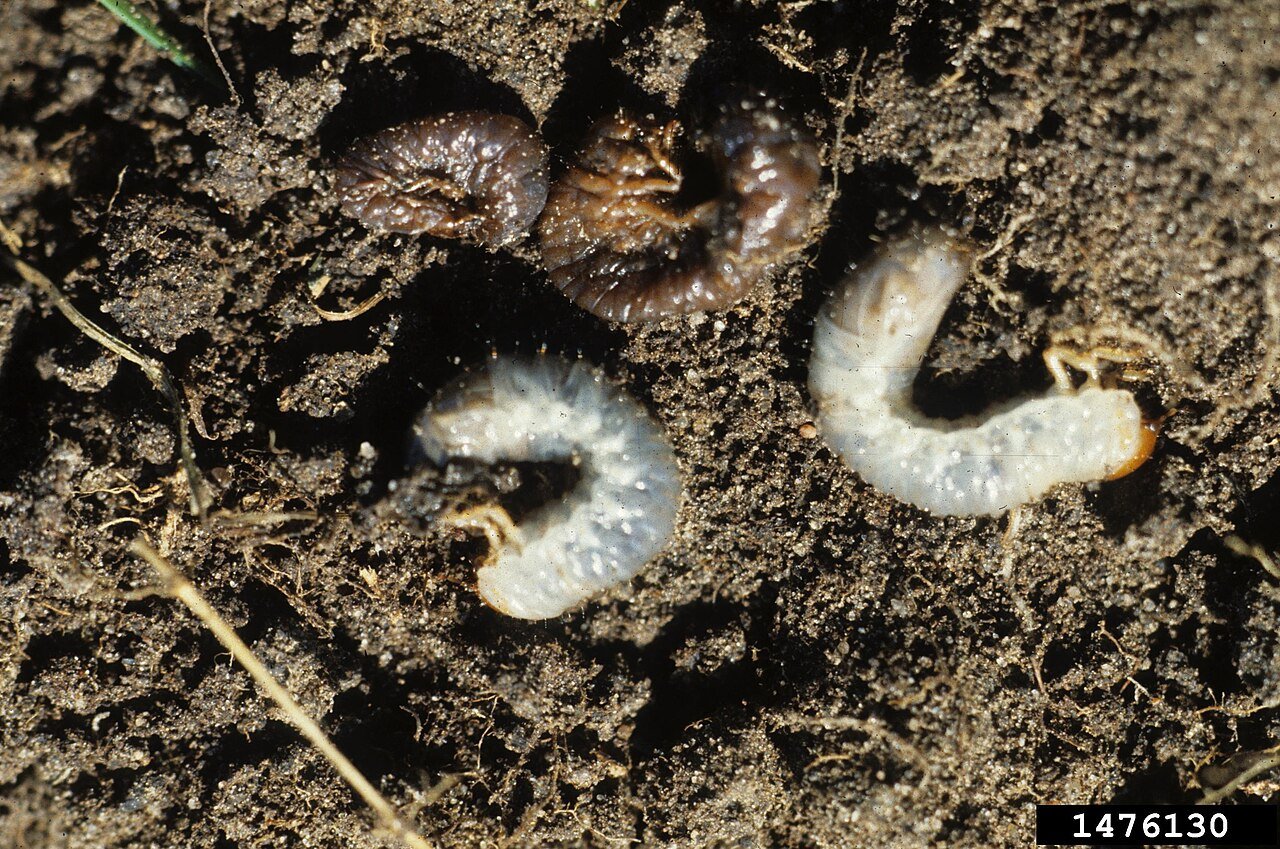
Underneath the warning signs, the grubs are feeding on your lawn’s roots. This can cause permanent damage if not addressed before the winter season arrives. So, if you notice symptoms that could indicate the presence of grubs, don’t hesitate to contact a professional landscaper.
Grubs are not the only insects that can harm your lawn in the fall. The presence of chinch bugs, webworms, billbugs, and more can also diminish lawn health and create unfavorable conditions down the road.
Chinch bugs in particular are quite active in Western NY during the fall. They tend to cause brown or yellow patches that resemble drought stress - but unlike drought stress, watering can’t cure these patches. Because the symptoms of these pests closely mirror other fall lawn care concerns, it’s essential to work with a professional lawn care provider to properly identify the underlying issue.
While insects are a major threat to your Western NY lawn in the fall, they are not the only problem that could threaten your grass. As the temperatures cool and moisture increases, fungal diseases become more likely.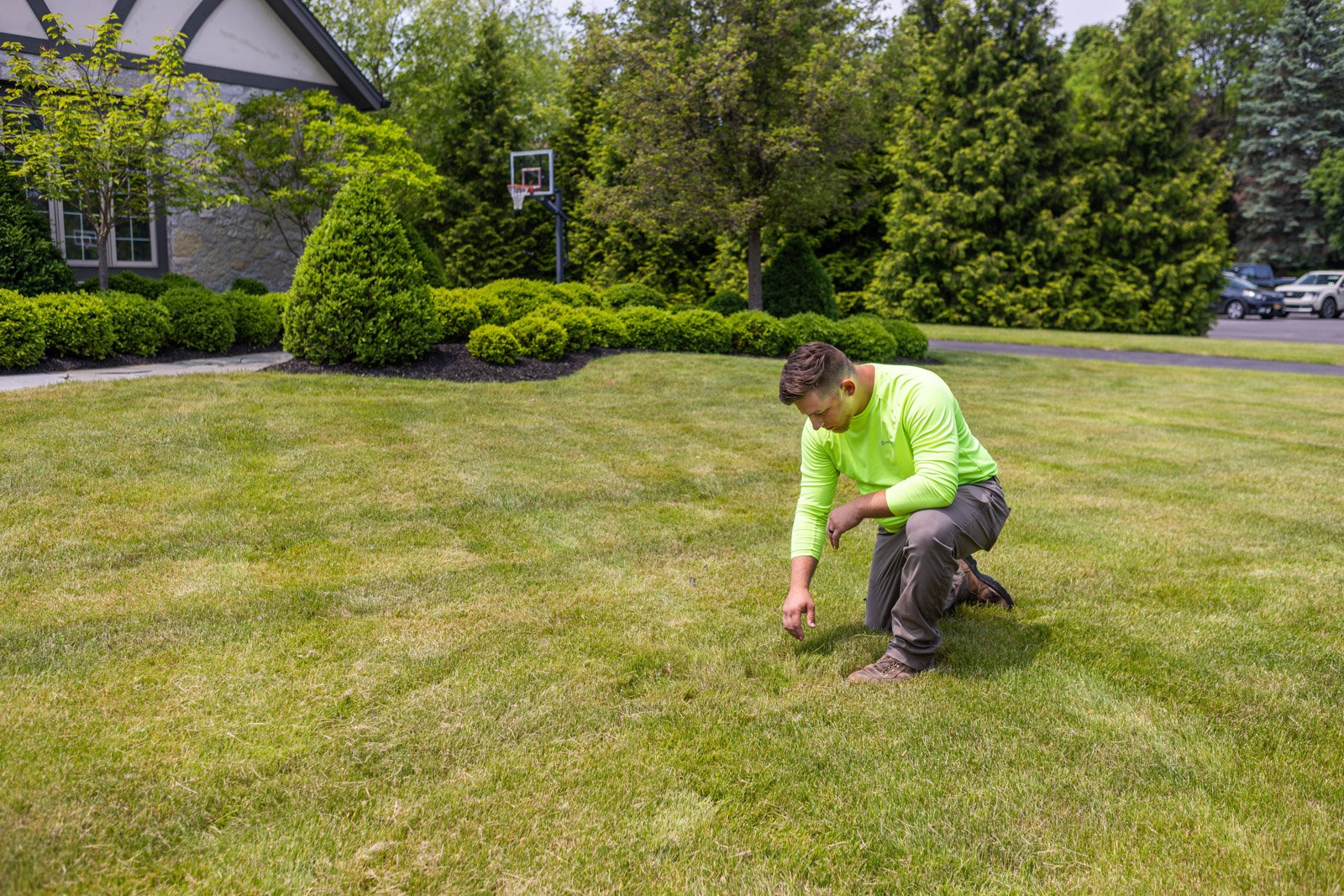
These fall lawn diseases, including red thread, tend to be a little less serious than insect infestations, but they should be diagnosed and treated promptly.
After a summer of heat, potential drought, and heavy use, your lawn could suffer from bare spots and soil compaction. Both of these issues, while likely minor, should be dealt with during the fall to set your lawn up for success the following spring.
Look for bare and thin spots in the lawn, and pay particular attention to areas of heavy foot traffic and frequent mowing.
Lingering fall weeds in your lawn should be removed or treated. Because fall is one of the most important times to fertilize and nourish your lawn, making sure weeds can’t steal those nutrients ahead of winter is essential. We recommend working with a professional to apply the right fall lawn treatment for weeds.
Recognizing the common problems associated with fall lawn care is important, but it is only as effective as the steps you take to maintain a healthy lawn in the first place. Thankfully, it is easy to help your lawn recover from summer and prepare for winter by utilizing the following checklist.
Working with a professional ensures that all of these basic maintenance tasks are accomplished in the right order and with the proper timing. It also allows for any additional services or treatments to be incorporated as part of a cohesive landscaping plan.
There are several aspects of fall lawn care that you can handle yourself, including cleaning up leaves and mowing. However, there are times when it is best to work with a professional, especially considering the lasting impact of fall landscaping.
For example, if you suspect the presence of fall lawn diseases or pests, you should turn to an experienced professional. An accurate diagnosis is vital to planning and executing the right treatment in a timely manner. Because these troubles are easy to misdiagnose, the help of a professional can save time and prevent the problem from getting worse.
Other key parts of fall lawn care, such as aeration and fall fertilization, must be timed with the soil temperature and performed in the right order. A professional touch can make a significant difference in both immediate and long-term outcomes.
Yes. You should continue to mow and water your lawn until it stops growing completely.
Yes. Grass might change color after the first frost of the season. This is a sign that it is entering dormancy.
You can mulch fallen leaves into your lawn, but be careful not to let the layer of leaves get too thick. The most important part of fall leaf cleanup is preventing your lawn from being smothered.
Yes. However, you should be taking steps to treat any lingering weeds to prevent them from stealing nutrients.
Grass seed can germinate until mid-October in Rochester, NY. However, it is typically best to finish seeding in September to maximize results.
While this fall lawn care guide can position you and your landscape for success as winter approaches, the best strategy to protect your lawn and prepare it for a fantastic future is to work with an experienced local professional.
Trimline has provided lawn care in Rochester, NY, Monroe County, and surrounding communities for over 25 years. From comprehensive maintenance to specialized projects, our team of passionate landscaping professionals has the experience, skill, and training to help your property reach its full potential.
To learn more about fall lawn care, complete our form for a free quote. We would love to hear from you and help you achieve the lawn of your dreams.
Image Sources: white grubs