
- Lawn Care
7 min read
The 4 Most Common Grass Bugs Eating Your Lawn in Monroe County, NY
You step outside in mid-summer and notice something doesn’t look right. Your lawn, once thick, green, and uniformly trim...
You step outside in mid-summer and notice something doesn’t look right. Your lawn, once thick, green, and uniformly trimmed, now seems to have scattered brown patches all over. You take a step out and notice something doesn't feel right. The grass feels spongy underfoot, some sections are thinning, and certain areas of dry, brittle grass are expanding week after week – even though you’re watering it consistently.
If that sounds familiar, you’re probably asking yourself one question: what's eating my grass?
If you've got a home here in Rochester or nearby, the answer is probably simple – bugs.
That's right, weeds and disease aren't the only potential problems your yard could face– turf bugs and lawn pests are a common annoyance and a serious issue throughout Monroe County, especially during warm, humid summers.
And while some lawn insects are harmless (or even beneficial for the health of your grass), others can cause serious lawn pest damage if left untreated.
Understanding which insects eat grass, how to recognize lawn insect damage, and when to call in professional lawn care services in Rochester, NY, Monroe County, and surrounding communities can make all the difference in protecting your lawn.
Let’s walk through what you need to know.
Jump to:
Is Something Eating Your Lawn?
Why Lawn Pests Are a Problem in Rochester
The Top 4 Common Lawn Pests in Monroe County
Insect Damage vs. Drought or Disease
When to Worry About Lawn Pest Damage
DIY vs. Professional Lawn Insect Control
Frequently Asked Questions
Partner with Trimline to Protect Your Rochester Lawn
We talk to homeowners and commercial business owners about this all the time – one of the most frustrating parts of lawn insect damage is that you can't always tell what it is right away.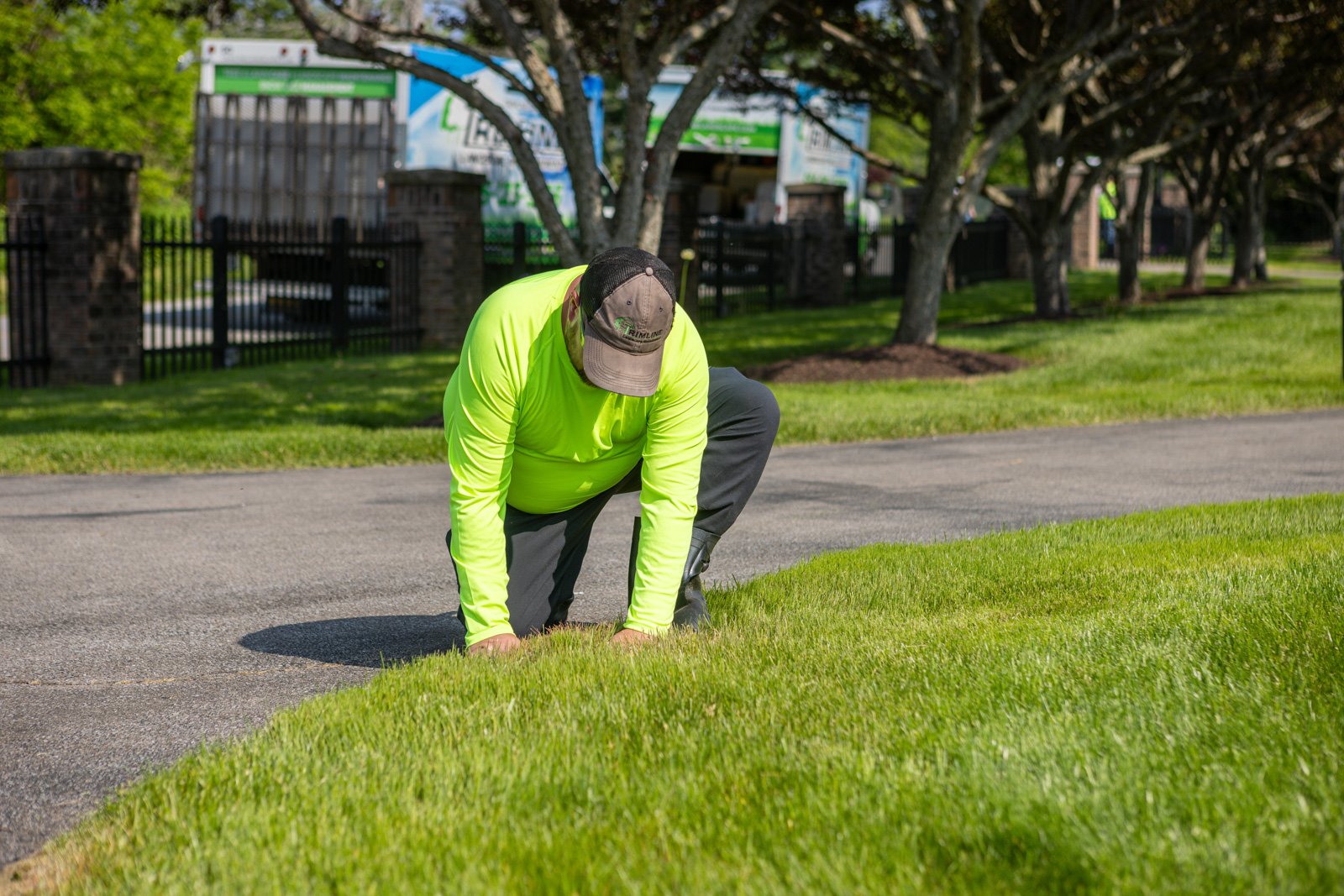
You'd think bug damage would be easy to detect, but unfortunately, much of it looks similar to drought stress or disease at first glance.
The good news is that there are a few key differences. When I spoke with William Dachille, our office manager, the other day, he reminded us that the most common signs of lawn pests often show up as:
Irregular brown or yellow spots that expand over time
Dead patches that peel up easily from the soil
Visible insects or larvae in the thatch layer
Grass that feels loose or spongy underfoot
“When turf peels back like carpet, that’s usually a root-feeding insect," he said. "Most commonly, they're grubs. Healthy grass should stay firmly anchored in the soil.”
Conversely, uniform browning across large sections of the yard is typically a sign of drought or heat stress, and that's rarely an indicator of insect activity.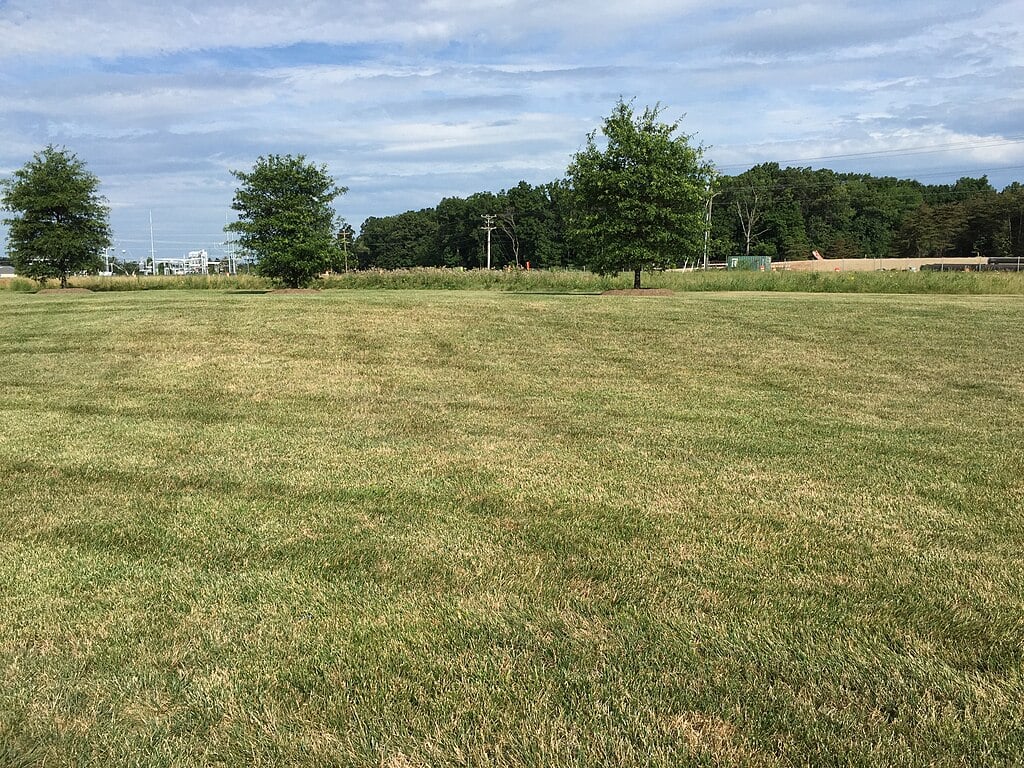
If patches are spreading despite proper and frequent watering, it’s time to look more closely for bugs.
Our warm, humid summers in Monroe County are pleasant and enjoyable – but they do have a dark side. These warmer months create ideal conditions for lawn insects to thrive.
Several factors can make your local lawn especially vulnerable – and unfortunately, some of these factors are out of your control:
High summer humidity
Sandy or well-drained soils
Thin or stressed turf
Inconsistent fertilization
Compacted soil
Weak or thinning lawns are particularly attractive to chinch bugs and other turf bugs. And once pests establish themselves in your landscape, populations tend to multiply and increase quickly.
Because many lawn insects damage grass below the surface, homeowners often don’t realize there’s a problem until significant turf loss has occurred. And once that's happened, it's hard to undo the damage without considerable repair work.
While there are several lawn insects that can affect turf, the most frequent and annoying culprits we see in Rochester are:
White Grubs
Chinch Bugs
Sod Webworms
Bluegrass Billbugs
Unfortunately, there's no one-size-fits-all solution for these bugs. Each insect damages lawns differently, and each is dealt with differently - but all of them can lead to serious lawn pest damage if left untreated.
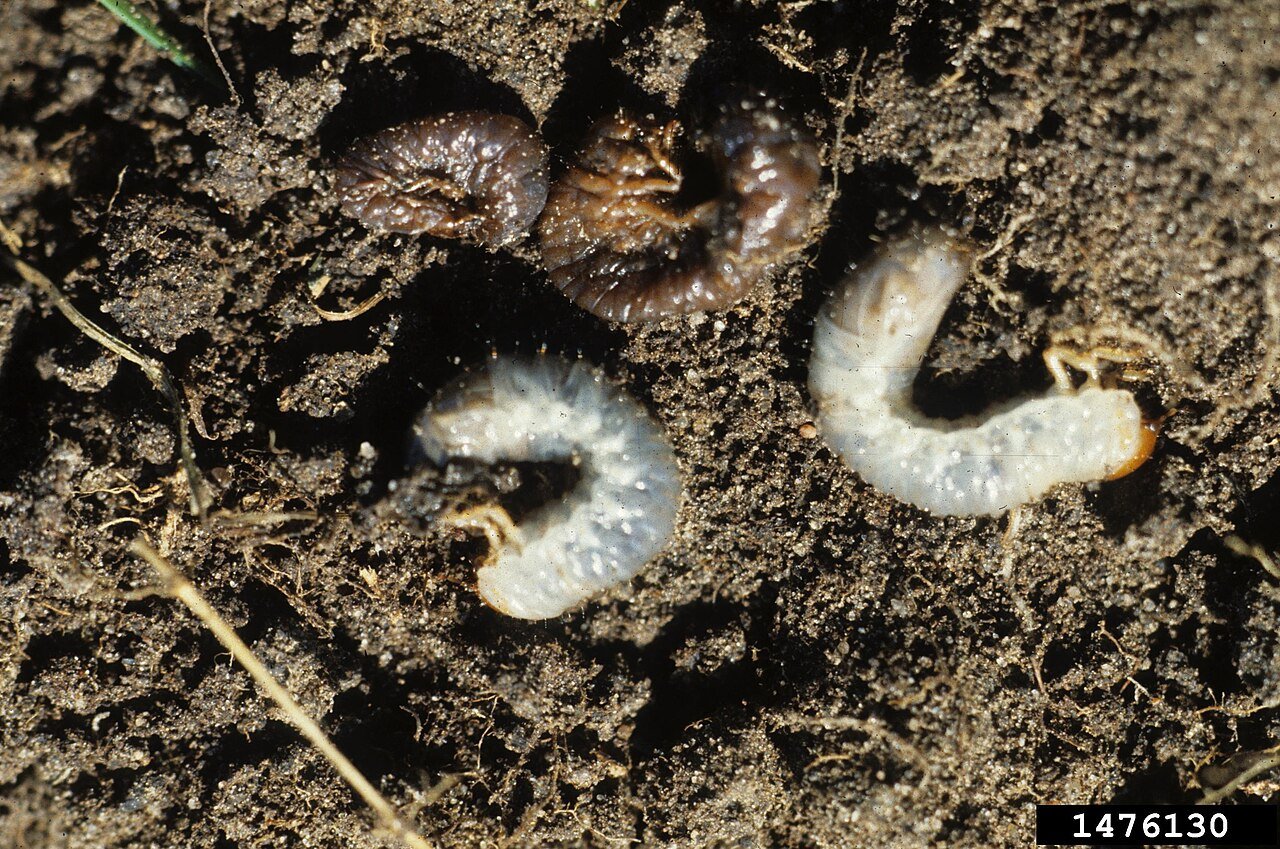
White grubs are actually just the larval stage of certain beetles. They live underground, feed on grass roots, and cause all kinds of mayhem on unsuspecting homeowners' lawns.
Because they attack the root system, the grass loses its ability to absorb water and nutrients. The result? Brown patches, grass that pulls up easily, and increased damage from animals that go digging for the grubs.
Grubs are especially active in late summer and early fall, which is peak treatment timing.
We often tell our homeowners that if it’s late summer and patches are spreading quickly despite proper watering, grubs should be at the top of their list of potential causes.
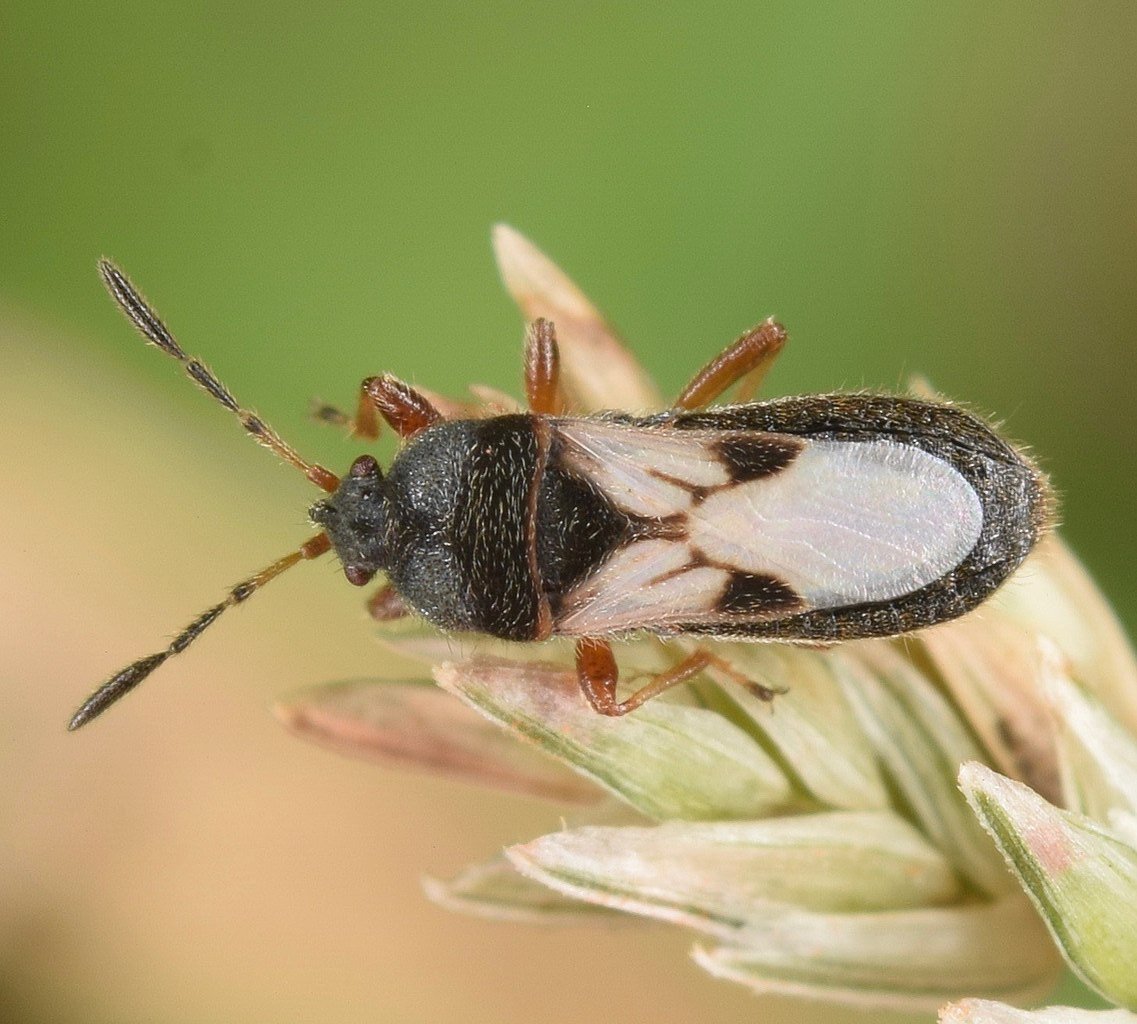
Chinch bugs feed above ground on the stems and crowns of grass plants. But instead of chewing on the roots like grubs do, they actually suck plant fluids from turf.
Damage from chinch bugs often appears as:
Small yellowing patches
Areas that resemble drought stress
Turf that continues declining even after rainfall
Chinch bugs thrive in hot, dry conditions and are especially attracted to already-weak or thin lawns. One of their greatest draws is sandy soil, which is relatively common in Monroe County. Homes with thinning lawns should be on the lookout for Chinch Bugs.
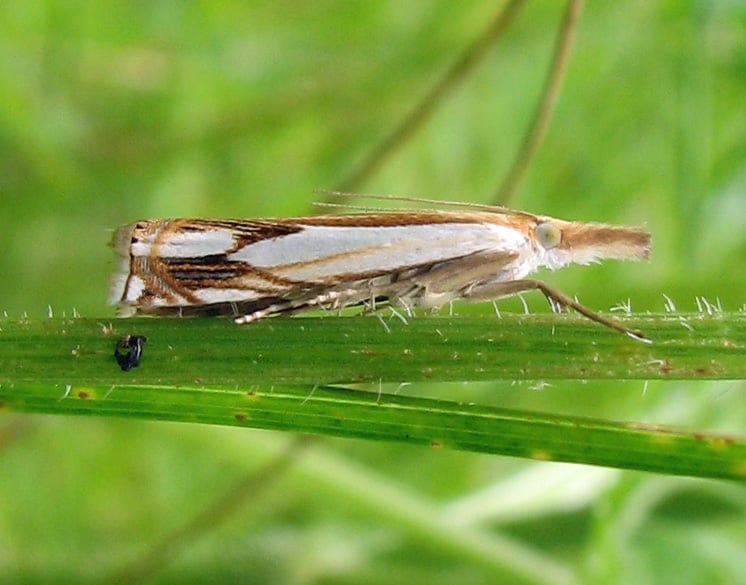
These bugs have a particularly on-the-nose name. Sod webworms are the larval stage of lawn moths, another annoying pest. These small caterpillars will actually feed on grass blades and then create silk-lined tunnels in the thatch layer to cause their own type of trouble.
It can be hard to detect sod webworms, but they usually show signs in your yard like:
Ragged grass tips
Small brown patches
Visible white moths flying low over the lawn in evening hours
While minor populations may not cause any huge harm or issues, it's the heavy infestations that can thin turf quickly and cause major damage over time.
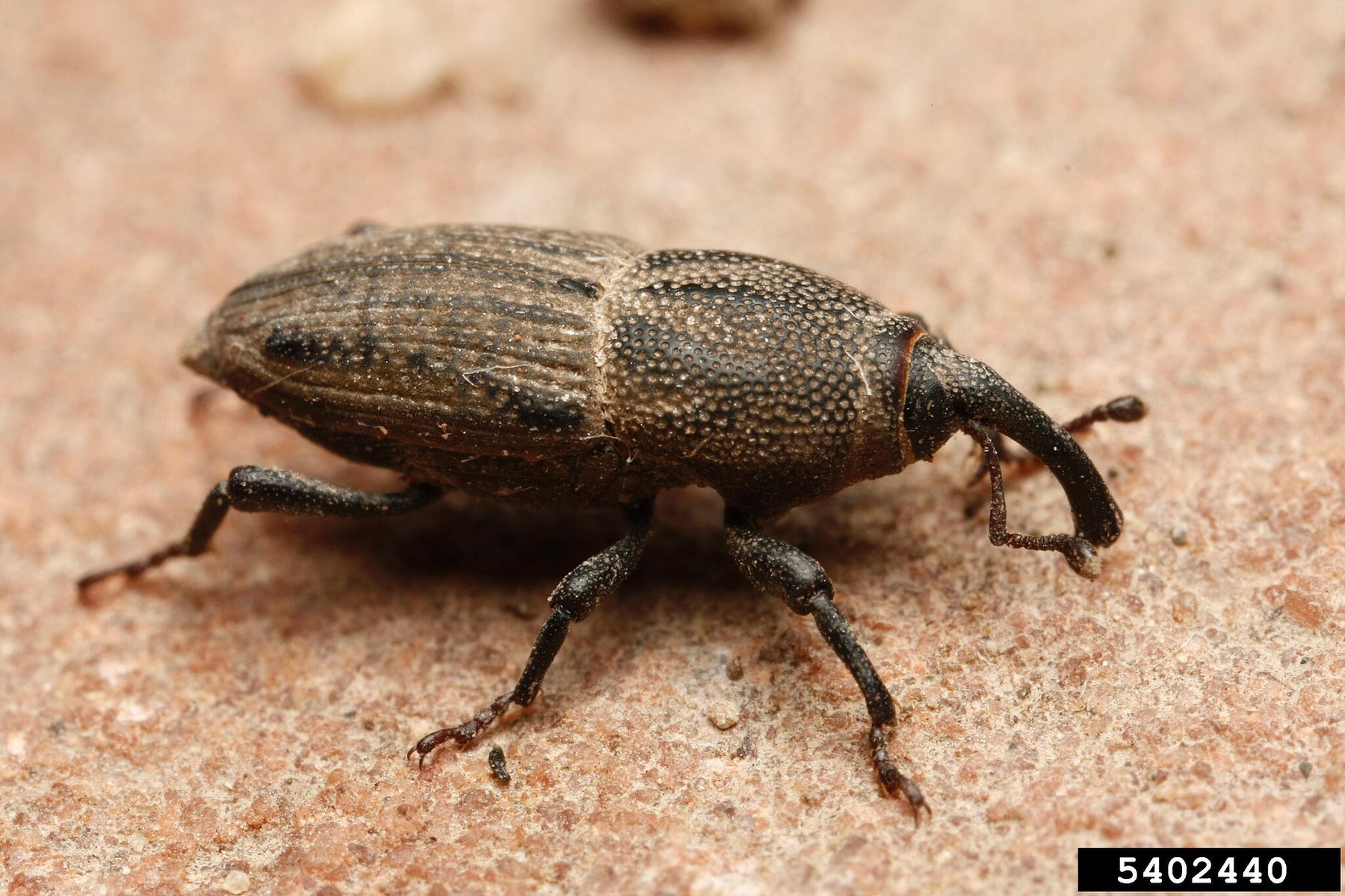
Bluegrass billbugs are small beetles whose larvae tunnel into turf and then feed inside grass stems and crowns.
Damage often shows up as isolated brown patches, grass that breaks off easily at the stem, and turf thinning in irregular patterns.
Because billbug larvae feed internally, lawn insect identification can be challenging without proper inspection and training. And sometimes, homeowners won't know they have a problem until the infestation has become a huge issue.
One of the most common questions we hear is: “How do I know if bugs are damaging my lawn?” Bug damage often gets mixed up with drought damage and vice versa because they tend to happen around the same time – in the warm summer months.
Here’s a quick breakdown for you to see the difference
Irregular patches that expand over time
Turf that peels up easily (root damage)
Visible larvae in soil
Patches spreading despite adequate watering
Signs of Drought or Heat Stress
Uniform browning across large areas
Grass that improves with consistent watering
No visible insect activity
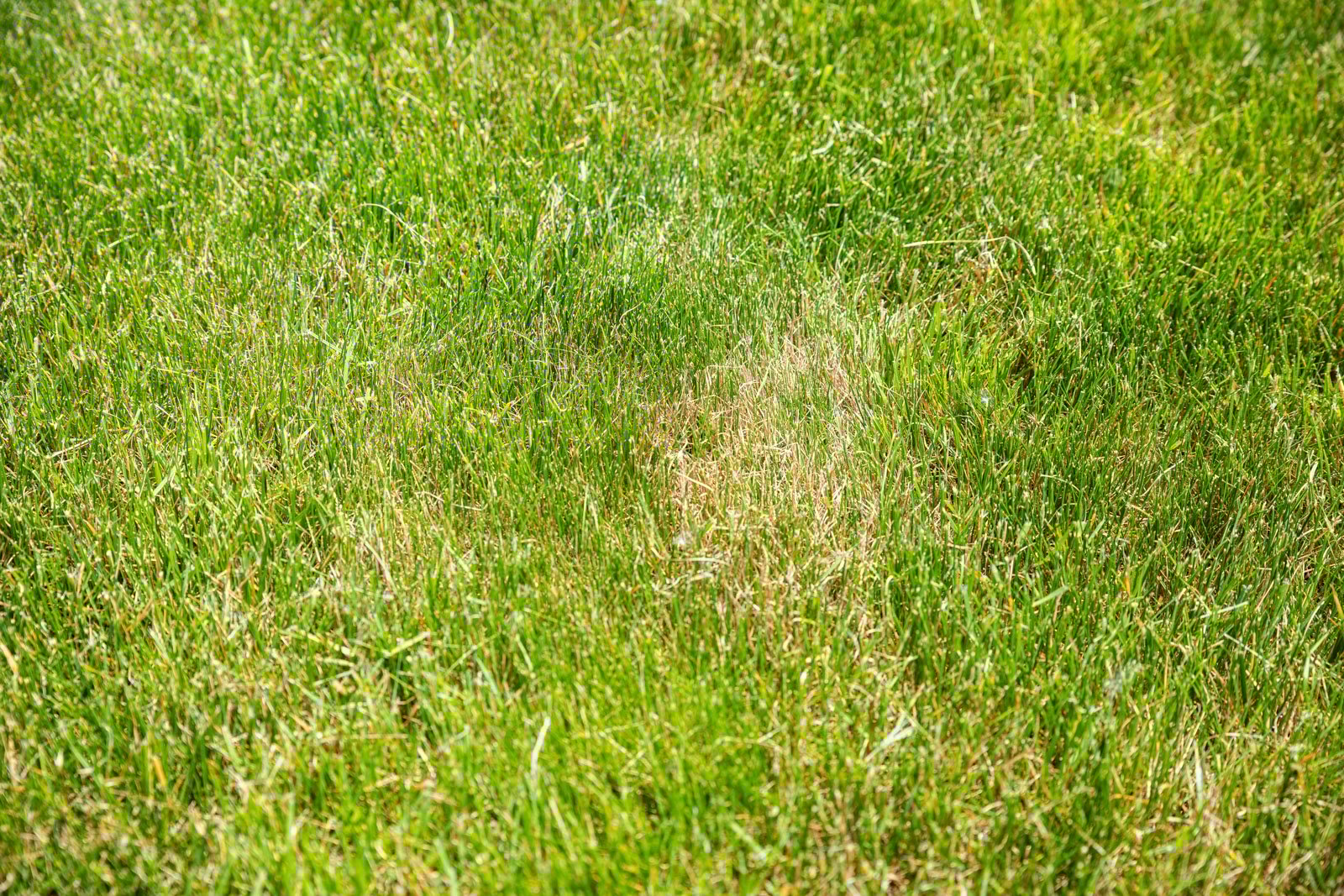 Correct lawn insect identification is important before applying any treatment, whether DIY or hiring a professional team. Treating for pests when the issue is drought (or the other way around) wastes time and money, and can even make the situation worse. That’s why professional diagnosis matters.
Even though insects can cause major damage to your grass, not every insect sighting requires immediate intervention or major action.
It is important to bring in professional lawn pest control when you start seeing signs like:
Dig tests confirming insect populations above damaging thresholds
Brown patches are spreading rapidly
Turf continues declining despite watering
It’s late summer or early fall (peak grub activity)
The key is not just seeing the insects, because often, by the time you do, the damage is already done.
What really helps is determining whether their population levels are capable of causing structural turf damage.
And unfortunately, waiting too long can result in larger sections needing reseeding or repair.
It’s natural for homeowners to consider over-the-counter insect control products when lawn pest damage appears.
We want to be clear – it's possible that some DIY lawn care solutions could work in some situations, but there are limitations. And if you try to treat your lawn without knowing what kind of insects you're dealing with, it's harder to provide the tailored treatment that can get rid of the infestation for good.
Without proper lawn insect identification, treatments may reduce surface symptoms without solving the root cause. You could spend money, time, and resources trying to eliminate an issue without making a dent.
When we have clients who have tried to handle lawn insect treatments on their own, they typically deal with these top challenges:
Misidentifying the pest
Applying the wrong product
Incorrect timing
Incomplete coverage
Missing underlying soil issues
As our team often says, "successful turf bug control starts with knowing exactly what you’re dealing with. Treating for grubs won’t solve a chinch bug problem.”
At Trimline, we approach lawn pests strategically. We don't like to take a reactive approach, but we do understand that sometimes, that's simply the order of operations. Our special process is built around three key steps.
We begin with detailed inspections, including soil digs and visual surveys of grass roots and crowns.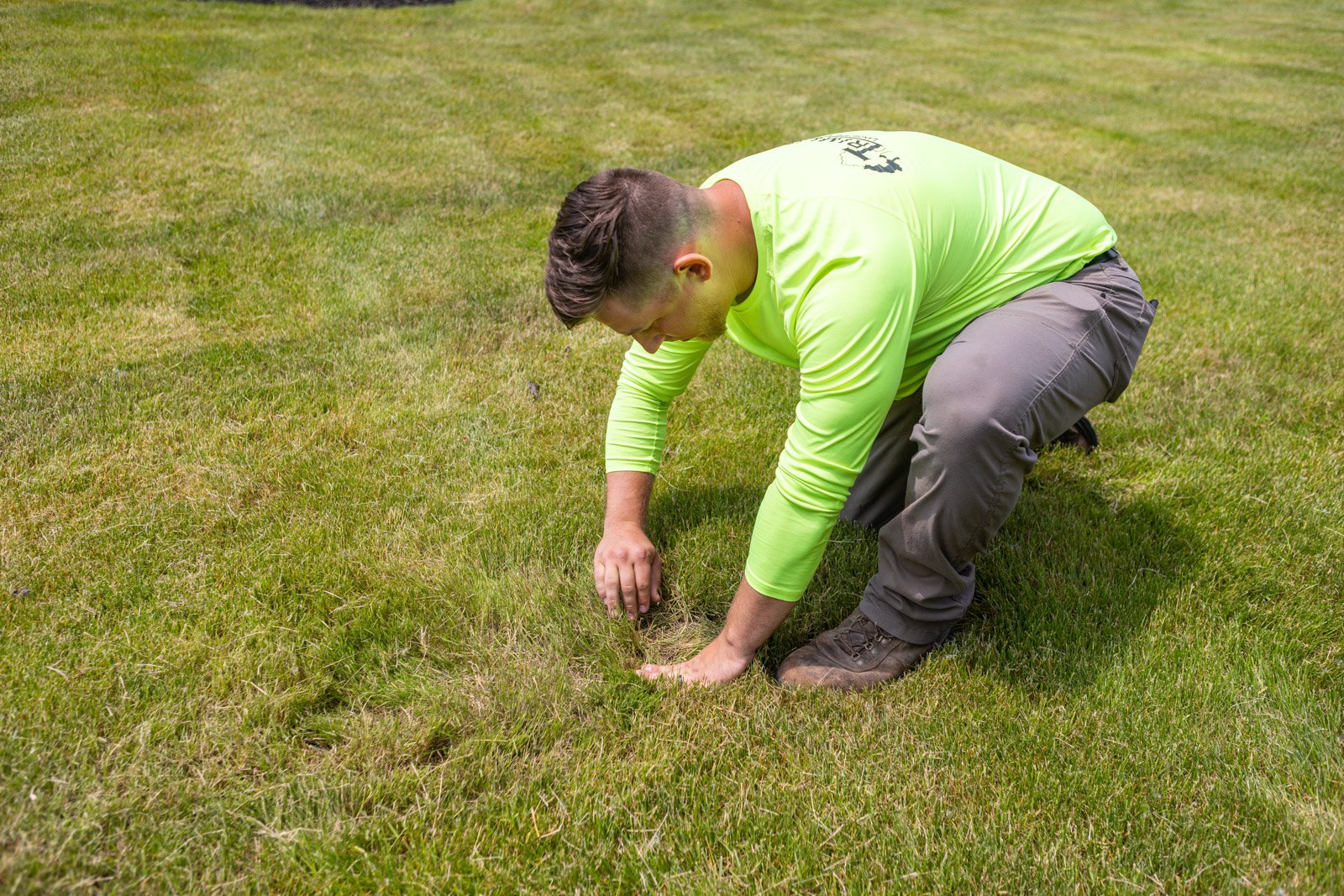
This allows us to confirm:
The specific lawn insect present
Population levels
Severity of lawn pest damage
Correct identification is the foundation of effective treatment. If we can't specifically diagnose the type of insect, we can't direct you to the treatment plan that will actually solve the problem.
Once we determine which bugs are eating away at your grass, we always apply targeted treatments specific to that pest. Different insects require different strategies. Timing, product selection, and application method all matter.
We do not believe in blanket spraying without confirmation because we know that a tailored approach works best.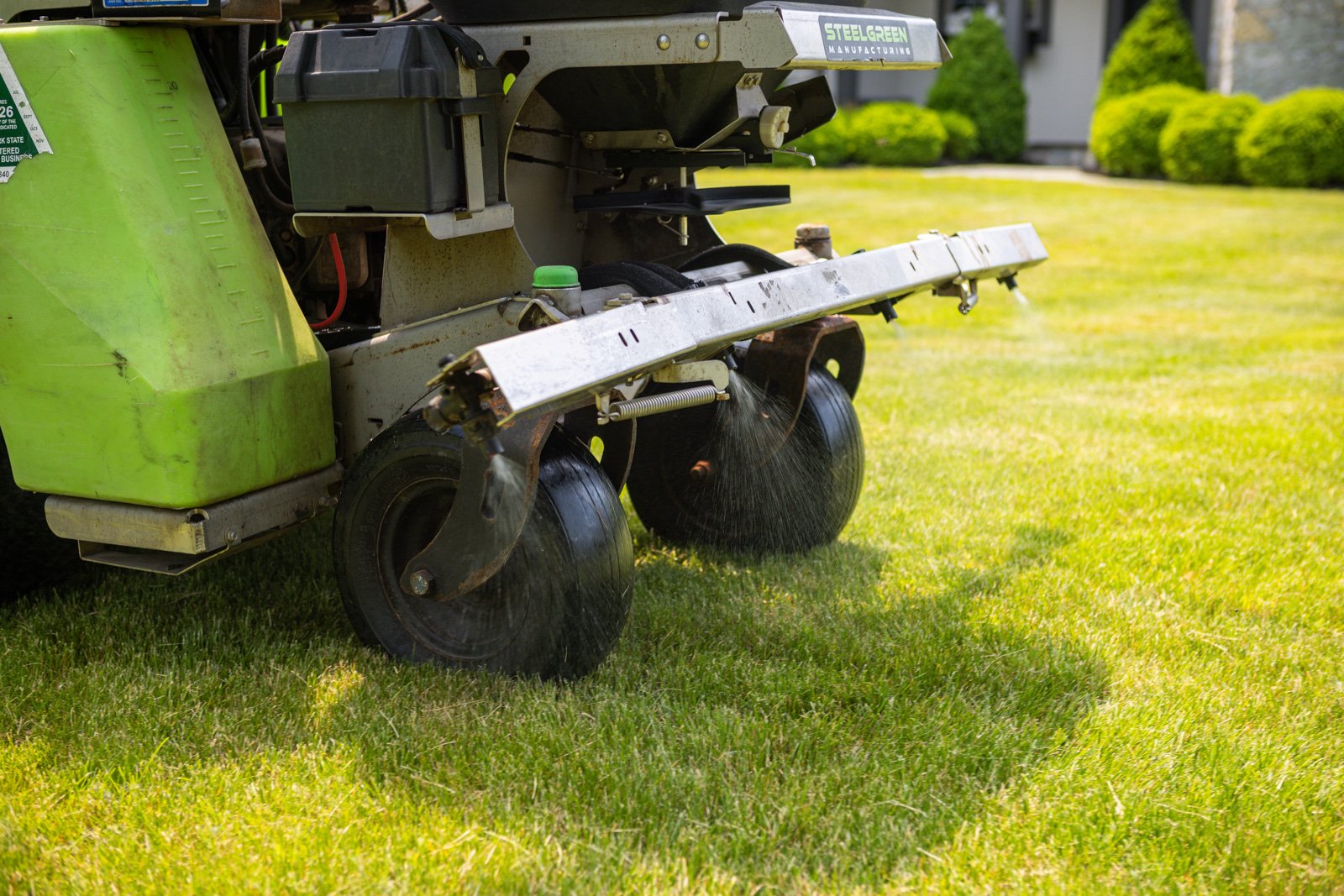
Despite treatment, lawn insects can be ruthless, and they may re-emerge depending on weather patterns and seasonal cycles.
That’s why we continue monitoring properties throughout the season to ensure:
Pest populations have been eliminated
Damage has stabilized
Turf recovery is progressing
Our goal isn’t just short-term suppression of your infestation. We always focus on long-term health and preventative monitoring so that we can tackle bug problems before they start back up again. We know that grass bugs can never be eliminated for good – but we're committed to keeping them away from your prized landscape.
Take a survey of your lawn. Look for irregular brown patches that expand over time, grass that pulls up easily, and visible larvae in the soil. If patches continue spreading despite watering, insects are likely involved.
It depends on the pest and severity, but we think tailored approaches to specific bugs are the right move. Some infestations require multiple treatments or follow-up monitoring. Accurate lawn insect identification is essential for determining the right plan.
When applied properly by trained professionals, treatments are designed to be effective while minimizing risk. We always follow label guidelines and best practices to ensure safe application. Still, talk to your landscape partner about your pest control treatments so you can follow safety protocols and keep your little ones and furry friends safe while it dries.
There are many different types of grass bugs in the Rochester area, but the most common lawn pests in Monroe County (that you should be concerned about) are white grubs, chinch bugs, sod webworms, and bluegrass billbugs.
Turf bugs can move quickly, especially during Rochester’s warm summer months. What starts as a small yellow patch can turn into widespread lawn pest damage if left untreated.
If you suspect lawn insects are affecting your property, early diagnosis is key. Our team provides expert lawn care services in Rochester, NY, Monroe County, and surrounding communities, with targeted treatments designed to protect your turf and restore lawn health.
Your lawn is an investment in your home’s appearance and value. Let’s protect it before minor damage becomes major repair. Fill out our free quote form today to learn how Trimline can help you tackle bugs before they take over your turf.

Image Sources: drought stressed grass, white grubs, chinch bug, sod webworm, bluegrass billbug